
Vuelta Ciclista a España (Vuelta a España)
Spain's three-week Grand Tour, first run in 1935. The Vuelta features steep mountain stages, time trials and multiple classification jerseys; held in late summer and one of cycling's three major stage races.
The Vuelta Ciclista a España, commonly called the Vuelta a España or simply the Vuelta, is Spain's premier long-distance professional bicycle stage race. First organised in 1935 by the Madrid newspaper Informaciones, it developed into one of cycling's three major multi-week events alongside the Tour de France and the Giro d'Italia. The race is part of the set of European Grand Tours and typically lasts three weeks, combining flat stages, individual time trials and high mountain finishes to determine the overall winner.
Image gallery
10 Images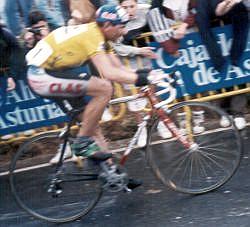


Race format and typical route
The Vuelta follows a stage-race format in which riders compete across consecutive days and the overall classification is decided by cumulative time. The route changes every year but often visits the major mountain ranges of Spain, such as the Pyrenees and the Cantabrian Mountains, and occasionally includes stages outside Spain. Organisers design a mix of stages to test different skills: long flat days favour sprinters, summit finishes favour climbers, and time trials reward strong solo riders.
Classifications and jersey colours
A number of concurrent competitions take place within the race. The most prestigious is the general classification (GC), whose leader wears the race leader's jersey. Over its history the Vuelta's leader jersey has changed several times; in recent years the GC leader has worn a red jersey. Other important classifications include points, mountains and combination or secondary rankings. Because colours and designs have evolved, descriptions here reflect the most commonly seen modern scheme rather than every historical variant.
- Overall (general) classification — leader wears the red jersey and is the rider with the lowest total time.
- Points classification — for consistent high finishes and sprints; traditionally associated with a green jersey.
- Mountains classification — awarded on categorized climbs; often represented by a white jersey with blue polka dots.
- Combination / other classifications — at times the Vuelta has used a white jersey for the best-placed rider across several categories; formats have varied by year.
History and timing
The Vuelta began as a national event and expanded over decades into an international race attracting the world's top professional teams. Its early editions were interrupted and reshaped by historical events in Spain, but the event regained continuity and grew in prestige through the 20th century. For much of its history the race was scheduled in spring, but organisers moved it to late summer/early autumn starting in the mid-1990s, so it now typically takes place in August and September. This autumnal slot influences team selection and race dynamics because it comes at the end of the professional road season.
Significance and distinctive features
The Vuelta is notable for its steep, often shorter but very intense mountain climbs and for summit finishes that can produce dramatic changes in the standings. Its late-season timing can produce different strategic priorities compared with the other Grand Tours: some riders target the Vuelta as their principal objective, while others use it to prepare for or conclude their season. Because of its varied terrain and tactical stages, it is both a prized victory for general classification contenders and an important showcase for sprinters, climbers and time-trial specialists alike.
Further reading and context
As a long-standing professional event, the Vuelta has a complex history of route choices, jersey designs and classification rules that have evolved over time. For an introduction to the type of event the Vuelta is, see material on professional stage races such as a typical bicycle race, or on how the yellow jersey functions in other Grand Tours. For seasonal context, the change from spring scheduling is described in accounts of the race's shift to late summer scheduling. Authoritative sources and race archives provide year-by-year details for those seeking stage lists, past winners and technical regulations.
Related articles
Author
AlegsaOnline.com Vuelta Ciclista a España (Vuelta a España) Leandro Alegsa
URL: https://en.alegsaonline.com/art/105994