
Benrath — Düsseldorf district, Schloss Benrath and the Benrath isogloss
Benrath is a southern district of Düsseldorf, incorporated in 1929. Known for the 18th‑century Schloss Benrath, park landscapes and the linguistics 'Benrath line' that marks a German dialect boundary.
Overview
Benrath is a district in the southern part of the city of Düsseldorf. It became part of the city in 1929 and today combines a suburban character with a historic core and extensive green spaces. The area is valued for its blend of residential neighborhoods, riverine landscapes and cultural attractions.
Image gallery
10 Images




History and development
The locality developed around a riverside settlement and gained prominence in the 18th century with the construction of a pleasure palace and landscaped grounds. Over subsequent centuries Benrath evolved from an independent village into a suburban borough shaped by transport links, industrial and residential expansion, and municipal incorporation into Düsseldorf in the early 20th century.
Notable sights and characteristics
Benrath's most famous landmark is Schloss Benrath, a mid‑18th century rococo palace designed by Nicolas de Pigage for the regional ruler. The palace stands within formal gardens that include ponds, promenades and museum buildings. Beyond the Schloss, Benrath features a compact historic center, parkland used for recreation, and examples of 19th‑ and 20th‑century architecture.
- Schloss Benrath and its gardens
- Museums and cultural venues associated with the palace
- Park and riverside leisure areas
- Local commercial streets and community facilities
Transport, economy and everyday life
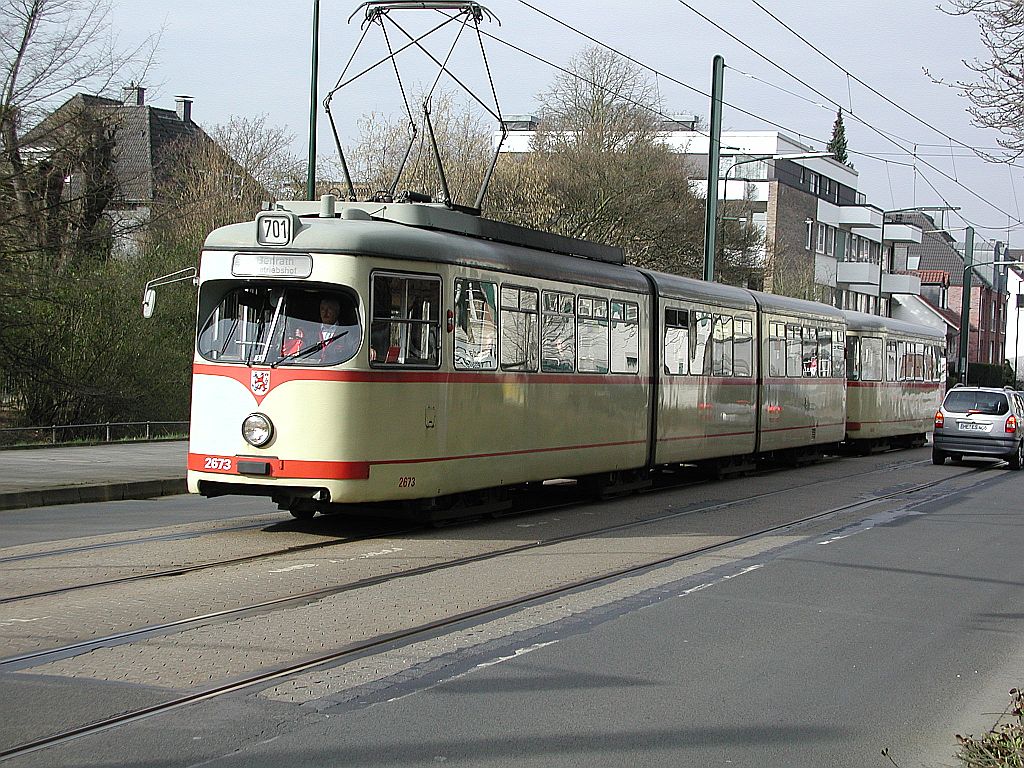
Benrath is well connected to the wider Rhine region by road and rail, making commuting to central Düsseldorf and neighboring cities straightforward. The district supports a mix of small businesses, shops and services that serve residents and visitors. Green spaces and family‑oriented amenities contribute to a largely residential atmosphere.
Linguistic and cultural significance
Benrath is also known in linguistics for the so‑called "Benrath line," an isogloss named after the area that marks a historical sound change dividing Low and High German dialects (often illustrated by the contrast between maken and machen). The combination of cultural heritage, local identity and accessible green areas makes Benrath a notable quarter of Düsseldorf.
Related articles
Author
AlegsaOnline.com Benrath — Düsseldorf district, Schloss Benrath and the Benrath isogloss Leandro Alegsa
URL: https://en.alegsaonline.com/art/10587