
Benjamin R. Tucker — American individualist anarchist and editor
Biography and overview of Benjamin R. Tucker (1854–1939), editor of Liberty, a leading voice of 19th-century American individualist anarchism and advocate of market-oriented anti-statism.
Overview
Benjamin Ricketson Tucker (April 17, 1854 – June 22, 1939) was a central figure in American individualist anarchism during the late 19th and early 20th centuries. Best known as the editor and publisher of the influential periodical Liberty, Tucker promoted a philosophy that combined a commitment to individual sovereignty with a critique of state-backed economic privileges. His writing and publishing activity made him one of the most visible advocates of a free-market variant of anarchism often described as mutualism or individualist anarchism.
Image gallery
5 Images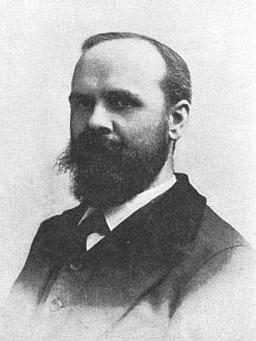


Ideas and distinguishing characteristics
Tucker argued that many social ills flowed from government-backed monopolies, such as state-imposed tariffs, patents, banking privileges, and land monopoly. He supported voluntary exchange, free association, and the right of individuals to reap the fruits of their labor while opposing coercive institutions. Tucker's positions were distinct from collectivist and communist strains of anarchism: he favored market arrangements without state privilege rather than centralized planning or state control.
Publishing, activism, and notable works
From the 1880s Tucker used his periodical and other publications to spread individualist, mutualist, and libertarian ideas and to translate and reprint European radical thinkers. His best-known pamphlet is Instead of a Book, by a Man Too Busy to Write One, which collected essays on his core doctrines. Liberty became a forum for debates among anarchists, socialists, and libertarians and helped introduce American readers to European theorists and to contemporary controversies about property, contract, and the state.
Career, later life, and practical efforts
In addition to journalism, Tucker tried to make radical literature widely available. In 1906 he opened Tucker's Unique Book Shop in New York City to sell books and pamphlets on individualist and libertarian thought. A fire destroyed the shop's stock in 1908 and Tucker subsequently wound down that venture. He spent his later years away from the American radical scene and died in Monaco in 1939.
Historical importance and legacy
Tucker played an important role in shaping a distinct American current of anarchist thought that emphasized individual liberty, contract, and opposition to state-created economic privileges. His writings influenced later libertarian and market-oriented critics of state power and continue to be cited in discussions of mutualism, market anarchism, and the history of American radicalism.
Key themes and further reading
- Individual sovereignty and voluntary cooperation
- Opposition to state-supported monopolies (banking, patents, tariffs, land privilege)
- Promotion of free exchange without coercive institutions
- Liberty as a forum for debate among anarchists and libertarian thinkers
Related articles
Author
AlegsaOnline.com Benjamin R. Tucker — American individualist anarchist and editor Leandro Alegsa
URL: https://en.alegsaonline.com/art/10555