
Västerås, Sweden
Västerås is a historic city on Lake Mälaren in Västmanland County, western-central Sweden. It is an industrial and cultural centre, seat of Västerås Municipality and known as the founding place of H&M.
Overview
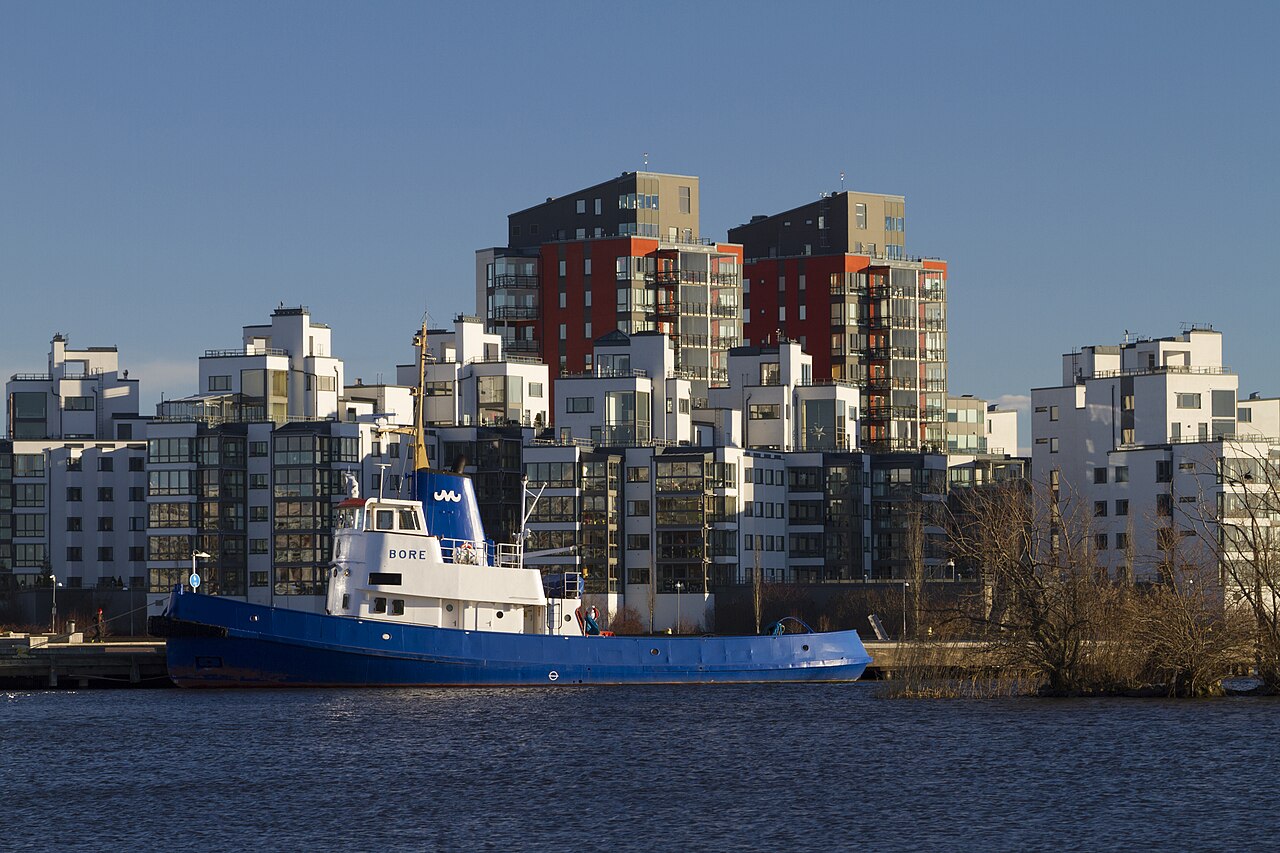
Västerås is a city on the shore of Lake Mälaren in Västmanland County, in the heart of central Sweden. It functions as the administrative seat of Västerås Municipality and is one of the larger urban centres outside the Stockholm area, located roughly 100 km west of Stockholm. The city combines historic neighbourhoods by the waterfront with modern industrial and service districts.
Image gallery
10 Images





History and origins
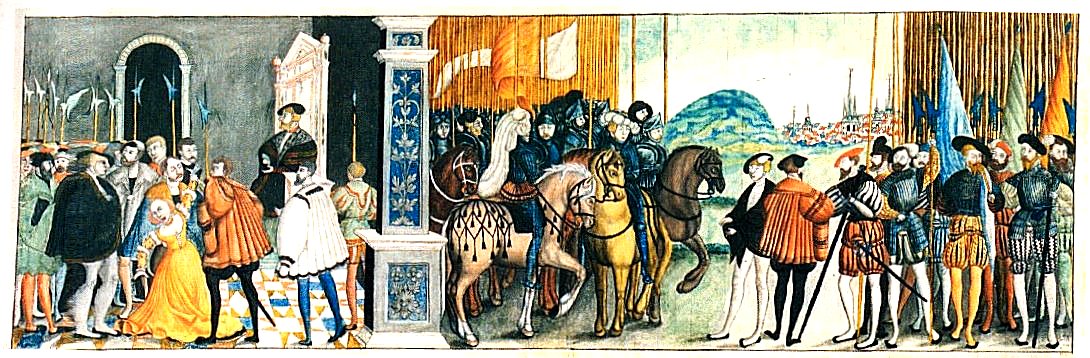
Settlement at Västerås dates back to the Viking Age and earlier; the original name Aros (meaning a river mouth) reflected its position on the lake. Through the medieval period the town grew around its cathedral and market functions. Archaeological landmarks in the vicinity, such as the large burial mound at Anundshög, attest to the area’s long human presence and regional importance.
Economy, industry and education
Västerås developed into an industrial centre during the 19th and 20th centuries, notably in electrical engineering and power technology. Major companies associated with the city include firms that became part of the modern electrical engineering group ABB. The urban economy now mixes manufacturing, energy and services, and hosts a campus of Mälardalen University. Västerås is also known as the place where a well-known Swedish clothing retailer began; the original store was opened in the city and the brand, H&M, later expanded internationally.
Culture and attractions
Visitors and residents enjoy a mix of cultural and recreational sites. Notable places include the medieval Västerås Cathedral, the restored old town near the harbour, and several museums that cover local history and technology. The lakeshore provides marinas and walking paths, while adaptive reuse projects—such as an industrial building transformed into a modern water park—illustrate the city’s blend of heritage and contemporary leisure.
Transport and connections
The city is well connected by rail and road, with frequent train services toward the capital and other regional centres and with the E18 motorway nearby. Västerås also has an airport serving regional flights and charters, and waterborne connections on Lake Mälaren support recreational boating and short-distance travel.
Notable facts and distinctions
- Västerås is one of Sweden’s historic university and industrial towns, balancing heritage sites with modern technology and research.
- The nearby Anundshög mound is among the largest burial mounds in Sweden and a point of archaeological interest.
- The city’s industrial past in power engineering helped shape both regional employment and global corporate histories linked to electrical technology.
For practical information on municipal services, cultural events and visitor guidance see the local municipal and tourism resources, or the county pages for broader regional context (Västmanland).
Related articles
Author
AlegsaOnline.com Västerås, Sweden Leandro Alegsa
URL: https://en.alegsaonline.com/art/104339