
Valdemārpils — town in northwestern Latvia
Valdemārpils is a small Latvian town granted municipal rights in 1917. Named for Krišjānis Valdemārs, it sits amid rural landscape and regional cultural heritage in northwestern Latvia.
Overview

Image gallery
4 Images


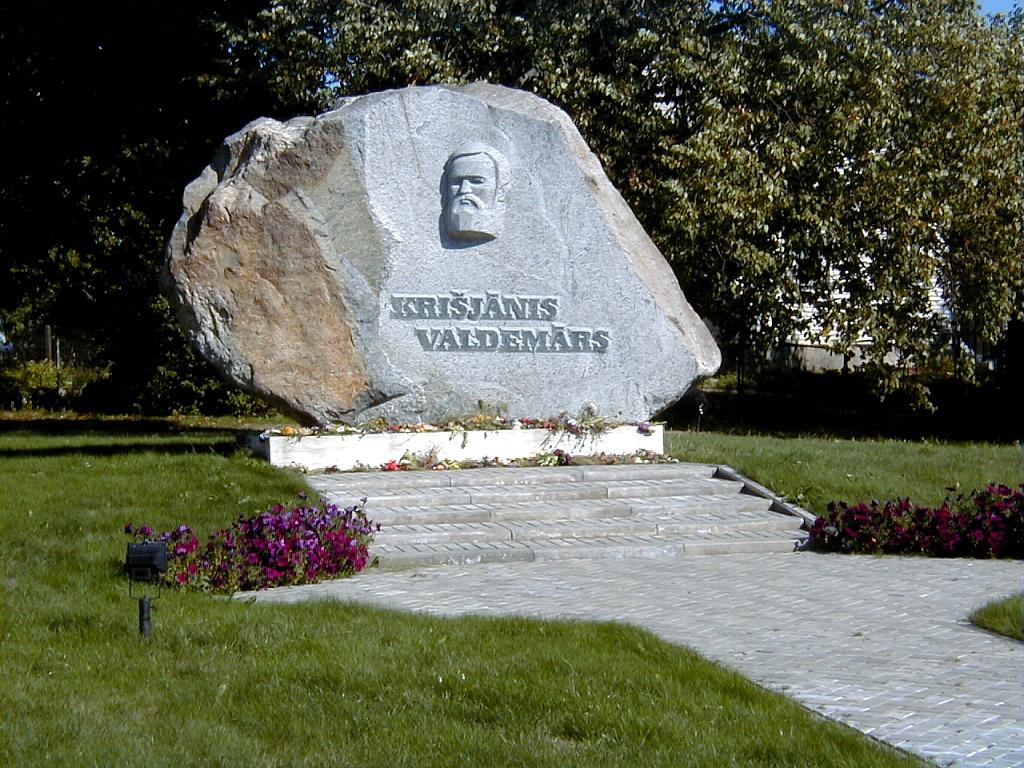
History and name
The settlement takes its name from Krišjānis Valdemārs, a prominent figure of the 19th‑century Latvian National Awakening. Its development follows the pattern of many Latvian market towns: a rural trading hub that expanded around local crafts, small industry and parish life. Over time the town acquired municipal rights and civic institutions that shaped its modern identity.
Characteristics and built environment

Culture, economy and institutions
Local life centres on agriculture, small business and services for nearby villages. Cultural activity often recalls regional traditions and the legacy of Valdemārs; community events, local exhibitions and small museums help preserve local history and folk culture.
Visiting and significance
Valdemārpils appeals to visitors seeking rural Latvia: quiet streets, local markets and access to nearby natural features. It is a waypoint for those exploring regional landscapes, heritage sites and routes that link small towns in the area. Practical amenities are suitable for short stays and day visits.
Quick facts
- Granted town rights: 1917
- Name honours: Krišjānis Valdemārs
- Role: local service centre for surrounding countryside
- Further information: official or municipal information
Related articles
Author
AlegsaOnline.com Valdemārpils — town in northwestern Latvia Leandro Alegsa
URL: https://en.alegsaonline.com/art/103936