
Uwajima, Ehime — coastal city on Shikoku
Uwajima is a coastal city in Ehime Prefecture on Shikoku, Japan, known for its historic castle, traditional bullfighting (tōgyū), fishing and aquaculture, and a long history as a regional port and castle town.
Overview
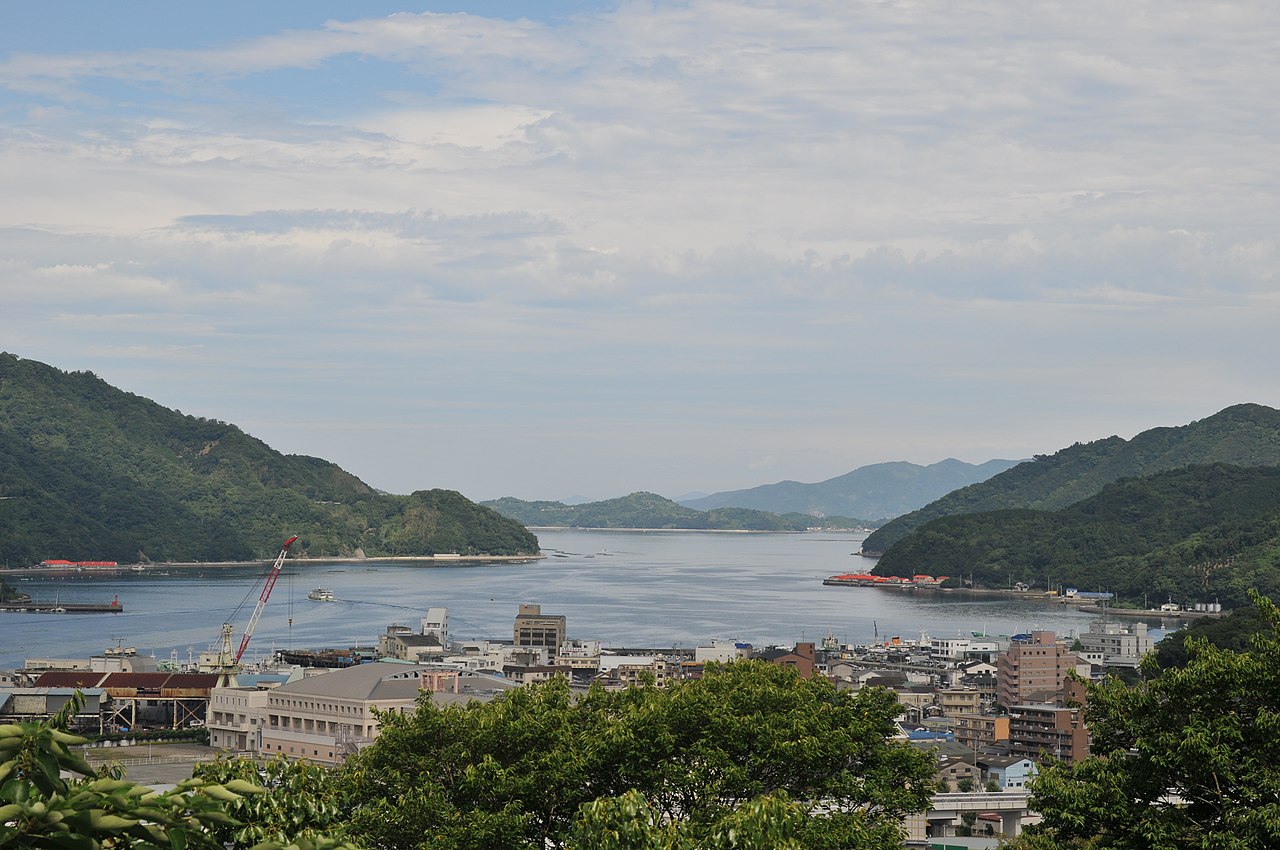
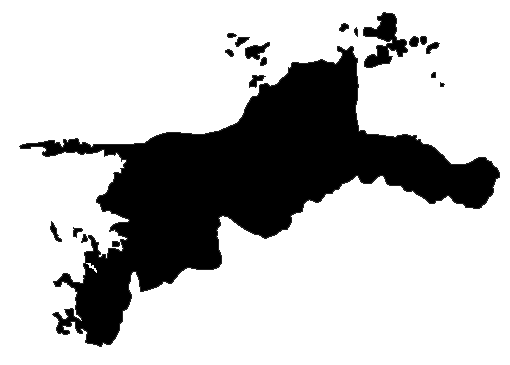
Uwajima is a Japanese city in Ehime on the island of Shikoku. It occupies a coastal location with a protected bay and a history shaped by maritime trade, local industry and farming. For municipal information and services consult the official city pages.
Image gallery
10 Images




Geography and transport
The city's terrain combines a sheltered harbor area with surrounding hills and small river valleys. The coastline and inland waterways support fishing, aquaculture and small ports that historically linked Uwajima to other parts of Shikoku and to western Honshu. Today the city is served by regional rail and road links and retains active ferry and commercial port facilities.
History
Uwajima developed as a castle town and regional center during the early modern period. The Date family established a feudal domain here in the Edo era and built fortifications that gave rise to the urban core. Vestiges of that feudal past remain in the form of historic buildings, shrines and the castle structure that crowns the town.
Culture and attractions
Notable attractions include a historic castle with an original keep from the Edo period, traditional festivals and local culinary specialties based on seafood. Uwajima is well known for a regional form of bullfighting called tōgyū, in which bulls contest one another under controlled conditions; these events are a distinctive part of local culture. Other cultural draws include small museums, local craft traditions and seasonal festivals that celebrate maritime and agricultural life.
Economy and local products
The local economy combines fishing, aquaculture, citrus and other agriculture, plus light manufacturing and services. The bay supports fisheries and shellfish cultivation, while surrounding farmland produces fruits and vegetables for regional markets. Tourism tied to history, festivals and coastal scenery also contributes to the city’s economy.
Notable facts and distinctions
- Uwajima retains elements of its Edo-period castle town layout and historic architecture.
- The city’s tōgyū bullfighting tradition distinguishes it from many urban centers and remains a living cultural practice.
- Its coastal position shaped a long history as a local port and maritime hub on Shikoku.
Together, these aspects make Uwajima a place where maritime commerce, feudal history and regional culture continue to influence everyday life and visitor experiences.
Related articles
Author
AlegsaOnline.com Uwajima, Ehime — coastal city on Shikoku Leandro Alegsa
URL: https://en.alegsaonline.com/art/103766
Sources
- jcastle.info : Uwajima Castle at jcastle.info
- unterstein.net : Nobiliare du Japon -- Date, p. 5 [PDF 9 of 80];