
Uvalde County, Texas
Uvalde County is a rural county in southwestern Texas centered on the city of Uvalde. It is known for ranching, river recreation, and its Spanish namesake Juan de Ugalde.
Overview
Uvalde County is a county in the U.S. state of Texas. The county seat and largest city is Uvalde. According to the 2010 U.S. census the county had 26,405 residents. The name honors the Spanish colonial governor Juan de Ugalde, whose surname evolved in Anglicized form to give the county its present spelling; the governor once served in the province of Coahuila.
Image gallery
4 Images


Geography and environment
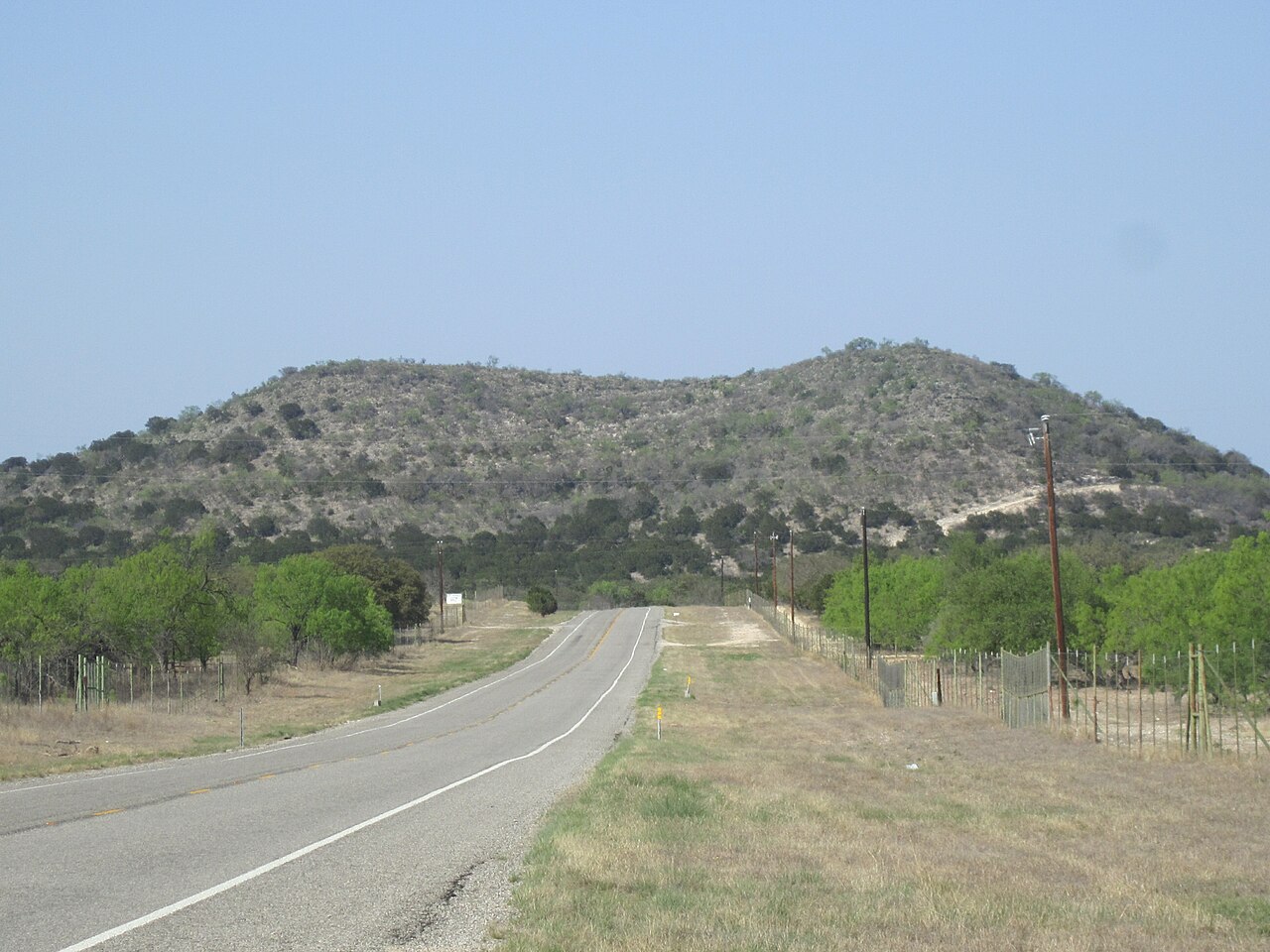
Located in southwestern Texas, Uvalde County sits at the transition between the Texas Hill Country and more arid plains. The county includes sections of river valleys and upland ranchland. Waterways and wooded canyon areas attract visitors for outdoor pursuits and support local wildlife.
History and development
The area that became Uvalde County was influenced by Spanish colonial administration and later by Anglo settlement in the 19th century. Its cultural landscape reflects Spanish, Mexican and frontier Texan traditions. Small towns and historic ranches developed around agriculture, grazing and trade routes.
Economy and recreation
Ranching and agriculture have long been economic mainstays, supplemented by local businesses, government services and outdoor tourism. Popular recreational activities include river tubing, fishing and camping. Notable local attractions and land uses include:
- River and park recreation near prominent county waterways
- Working ranches and rural landscapes open to hunting and ecotourism
- Small-town cultural events and festivals centered on community life
Communities and government
Uvalde County is administered from the county seat and contains several smaller towns and unincorporated settlements. County government provides services such as courts, public safety and infrastructure for its predominantly rural population. For general information see Uvalde County resources and regional references.
Notable facts
The county’s Spanish-derived name and mixed cultural heritage are key aspects of its identity. Visitors often come for its outdoor settings and small-town hospitality. For further reading consult regional histories and official county materials at historical sources and state-level information pages referenced by regional guides or tourism portals (county, state).
Related articles
Author
AlegsaOnline.com Uvalde County, Texas Leandro Alegsa
URL: https://en.alegsaonline.com/art/103762