
Uri Coronel — Dutch football administrator (1946–2016)
Maurice 'Uri' Coronel (1946–2016) was a Dutch football administrator who led Ajax as chairman (2008–2011), headed a 2007 inquiry into the club, and helped oversee the move to the Amsterdam ArenA.
Overview
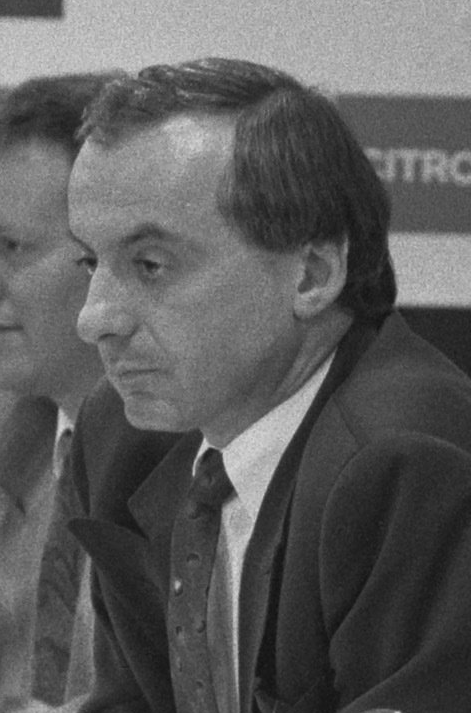
Maurice Uriel "Uri" Coronel was born on 24 December 1946 in Amsterdam and died there on 18 July 2016. He is best known for his role in Dutch club AFC Ajax, where he served as chairman from 2008 until 2011 and remained a prominent figure in the club's governance.
Image gallery
2 Images
Career and contributions
Coronel combined business experience with long-term involvement in football administration. Over several decades he acted as a board member, adviser and public representative for Ajax, and is widely credited with being a driving force behind the club's move away from its traditional home at De Meer Stadion to the larger Amsterdam ArenA. That relocation was a major structural change for the club and for professional football in Amsterdam.
2007 investigation and governance
In 2007 Coronel chaired an independent commission that examined Ajax's internal organisation and decision-making. The review — often referred to in Dutch media as the Coronel report — offered a series of critical observations and recommendations about management, transparency and sporting strategy. Its findings prompted debate and led to governance changes at the club in the ensuing years.
Roles and notable facts
- Chairman of AFC Ajax (2008–2011).
- Headed the 2007 commission that evaluated the club's functioning.
- Played a prominent part in Ajax's stadium transition to the Amsterdam ArenA, a venue that later became widely known as the Johan Cruyff Arena.
Personal background and legacy
Coronel was of Jewish descent and grew up in Amsterdam. He maintained a public presence in Dutch football and was respected for his willingness to address organisational problems directly. After his death in 2016 he was remembered for both his role in modernising aspects of Ajax and for pushing reforms intended to professionalise the club's structure.
For readers wanting further detail, contemporaneous reports and club records discuss his chairmanship, the 2007 inquiry and the stadium move in greater depth. Coronel's career illustrates how administrators outside the playing squad can influence a club's long-term direction and infrastructure.
Related articles
Author
AlegsaOnline.com Uri Coronel — Dutch football administrator (1946–2016) Leandro Alegsa
URL: https://en.alegsaonline.com/art/103596
Sources
- telegraaf.nl : Uri Coronel (69) overleden