
Twinstead, Essex
Twinstead is a small rural village and civil parish in the Braintree district of Essex, England, recorded with 165 residents in 2001. It exemplifies traditional English village life and local governance.
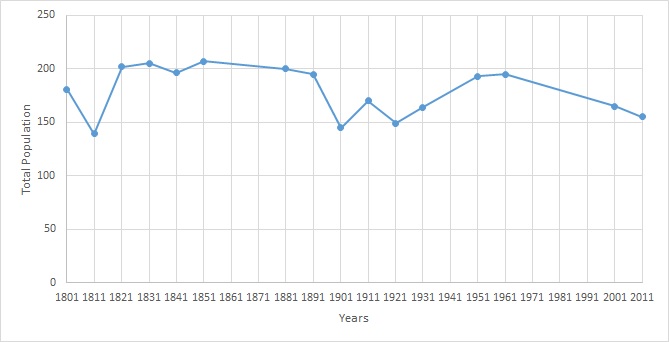
Twinstead is a small village and civil parish in the Braintree district of the county of Essex in eastern England. It is a predominantly rural settlement characterized by farmland, hedgerows and scattered housing rather than a dense urban centre. According to the 2001 census the parish had 165 inhabitants; more recent counts may show modest change but the community remains small.
Image gallery
6 Images



Location and governance
Twinstead lies within the administrative area of the Braintree district and is managed locally as a civil parish. Local services and planning fall under the district council, while immediate community matters are typically addressed through parish meetings or a parish council. For district-level information see Braintree district.
History and name
The village has roots as a longstanding rural settlement. Place-name elements such as the suffix -stead are Old English in origin and commonly mean a place or homestead; the first element of the name is often interpreted to reflect a small grouping or pair of farmsteads, though precise early spellings and meanings vary. Like many Essex villages, Twinstead developed around agriculture and a dispersed pattern of dwellings over centuries.
Landscape, buildings and community life
The parish landscape is largely agricultural with fields, farms and narrow country lanes. Buildings in and around the village tend to be domestic and agricultural in scale; older cottages and farm structures are typical, alongside more recent conversions. Amenities within the parish are limited, so residents commonly rely on nearby towns for shops, schools and larger services.
Significance and further notes
Although small, Twinstead is representative of many rural English parishes where continuity of landscape and local governance is important to community identity. Population figures are periodically updated by national censuses and local authorities; for district-level resources consult Braintree district.
Related articles
Author
AlegsaOnline.com Twinstead, Essex Leandro Alegsa
URL: https://en.alegsaonline.com/art/102263
Sources
- neighbourhood.statistics.gov.uk : Neighbourhood Statistics