
Tylos: the Hellenistic name for ancient Bahrain
Tylos was the Greek name for the islands of ancient Bahrain. This article summarizes its geography, economic role in pearling and trade, stages of political control, Greek cultural influence, and archaeological legacy.
Tylos is the name used in classical Greek sources for the islands now known as Bahrain. The designation appears in accounts of early Hellenistic explorers and geographers and applies to a long-inhabited maritime region in the central Persian Gulf. Tylos occupied a strategic position on East–West trade routes and is often associated with older Bronze Age traditions of the Dilmun trading network. Evidence from ancient authors and modern archaeology indicates that the islands were a hub for pearls, coastal commerce and local crafts.
Image gallery
2 Images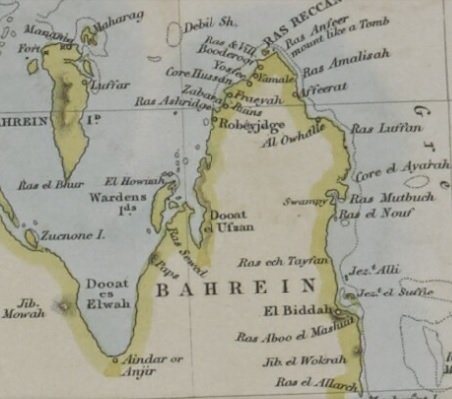
Historical development
Settlement on these islands predates the Hellenistic name by many centuries. In the Bronze Age the wider region participated in the Dilmun trade network, which linked Mesopotamia, the Arabian peninsula and the Indus. By the first millennium BC the islands came under the influence of successive Iranian empires. From the 6th to the 3rd century BC they were incorporated into the Achaemenid Persian sphere. After Alexander’s expedition in the late 4th century BC — when officers such as Nearchus sailed and reported on the Gulf — Greek cultural and political initiatives touched the area; classical writers record Alexander the Great’s intentions and related maritime activity (Alexander the Great).
- Bronze Age: part of Dilmun trading networks.
- 6th–3rd century BC: under Persian (Achaemenid) control.
- Hellenistic period: classical sources use the name Tylos; Greek customs appear among elites.
- Later Hellenistic and Parthian era: ties to local polities such as Characene and nearby Mesopotamian states.
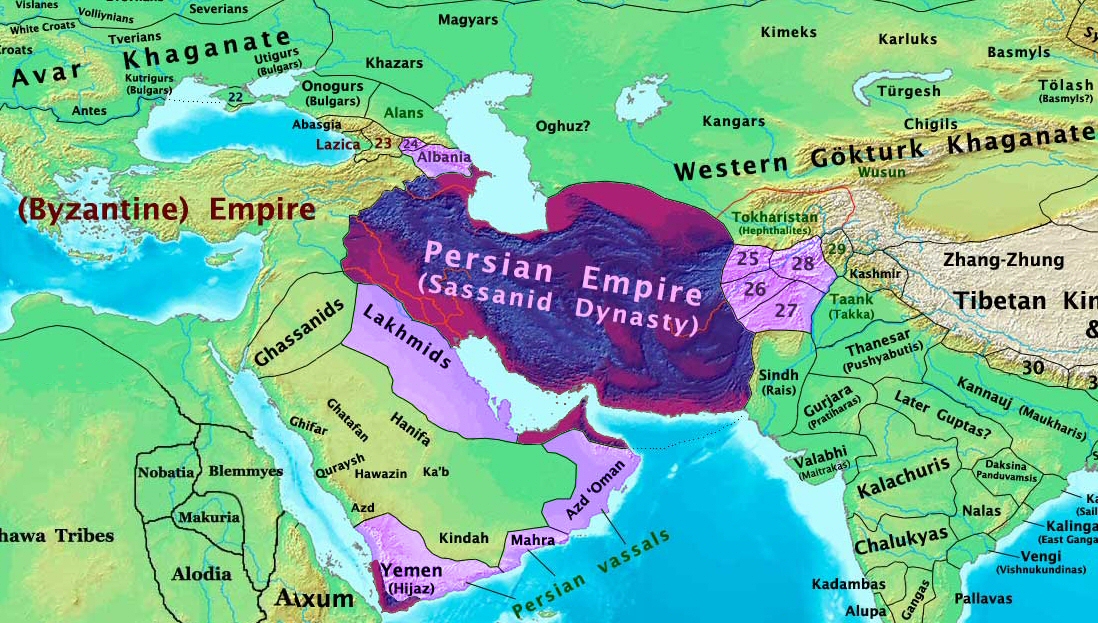
- 3rd century BC–7th century AD: varying control by Parthian and Sassanid Iranian dynasties until the early Islamic period.
Culture, language and Greek influence
Classical writers emphasize a noticeable Greek presence among the island’s upper classes during the early Hellenistic centuries. Some accounts say Greek was used socially or administratively among elites (Greek language), and local communities adopted elements of Hellenistic material culture. Theophrastus, the student of Aristotle, mentioned agricultural products — notably cotton-producing trees — in the islands’ flora, indicating a mix of cultivated and wild resources (Theophrastus). Ancient authors also remarked on local exports: pearls were the best-known commodity, while crafted walking canes and other specialty goods were traded with Mesopotamian cities such as Babylon.
Economy and maritime importance
Pearl diving and trade were the economic backbone for many centuries, making the islands a focal point in Gulf commerce. Maritime connections extended eastward toward the Indus and westward to Mesopotamia. The combination of seaborne trade, seasonal fishing and cultivation of date palms and other crops supported both local settlements and wider commercial exchange. Hellenistic-era athletic contests are recorded in some classical sources, suggesting social practices modeled on Greek customs were established at least among some groups in Tylos.
Archaeology, continuity and legacy
Archaeological investigations on the islands have recovered burial mounds, fortifications, pottery and remains of coastal settlements that reflect long-term occupation and international trade contacts. The precise political status of Tylos during the fragmented Hellenistic era remains a subject of scholarly caution: it is not certain whether the islands were formally integrated into the Seleucid Empire (Seleucid Empire) or existed as a peripheral Hellenistic-influenced locality. What is clear is that over the centuries the islands absorbed Mesopotamian, Iranian and Hellenistic cultural elements before becoming part of Parthian and Sassanid spheres and, ultimately, the Islamic world. Today the name Tylos remains a useful historical label for the classical period of Bahrain and helps scholars trace the complex interactions of commerce, culture and empire in the ancient Persian Gulf.
Questions and answers
Q: What was Bahrain referred to by the Greeks?
A: Bahrain was referred to by the Greeks as Tylos.
Q: What was the main product of trade in Bahrain during the time of Nearchus?
A: The main product of trade in Bahrain during the time of Nearchus was pearls.
Q: What was the status of Bahrain from the 6th to 3rd century BC?
A: From the 6th to 3rd century BC, Bahrain was a part of the Persian Empire.
Q: What was Tylos famous for selling in Babylon?
A: Tylos was famous for selling walking canes in Babylon.
Q: What was Alexander the Great's plan for the eastern shores of the Persian Gulf?
A: Alexander the Great planned to settle the eastern shores of the Persian Gulf with Greek colonists.
Q: Who controlled Bahrain from the third century BC to the arrival of Islam in the seventh AD?
A: From the third century BC to the arrival of Islam in the seventh AD, Bahrain was controlled by two other Iranian dynasties of Parthians and Sassanids.
Q: What was the language spoken by the upper classes in Tylos?
A: The upper classes in Tylos spoke Greek.
Related articles
Author
AlegsaOnline.com Tylos: the Hellenistic name for ancient Bahrain Leandro Alegsa
URL: https://en.alegsaonline.com/art/102315