
Triesen: A concise guide to the Liechtenstein municipality
Triesen, the third-largest municipality in Liechtenstein, is known for its medieval churches, a 19th-century weaving mill preserved as a monument, and a mixed residential and light-industrial character.
Triesen is a municipality in the principality of Liechtenstein, located in the central-southern part of the country. It is the third-largest municipality by population, after Schaan and Vaduz, with roughly 4,950 residents. The town combines a compact historic core with more recent residential and light-industrial development.
Image gallery
3 Images
Historic and architectural features
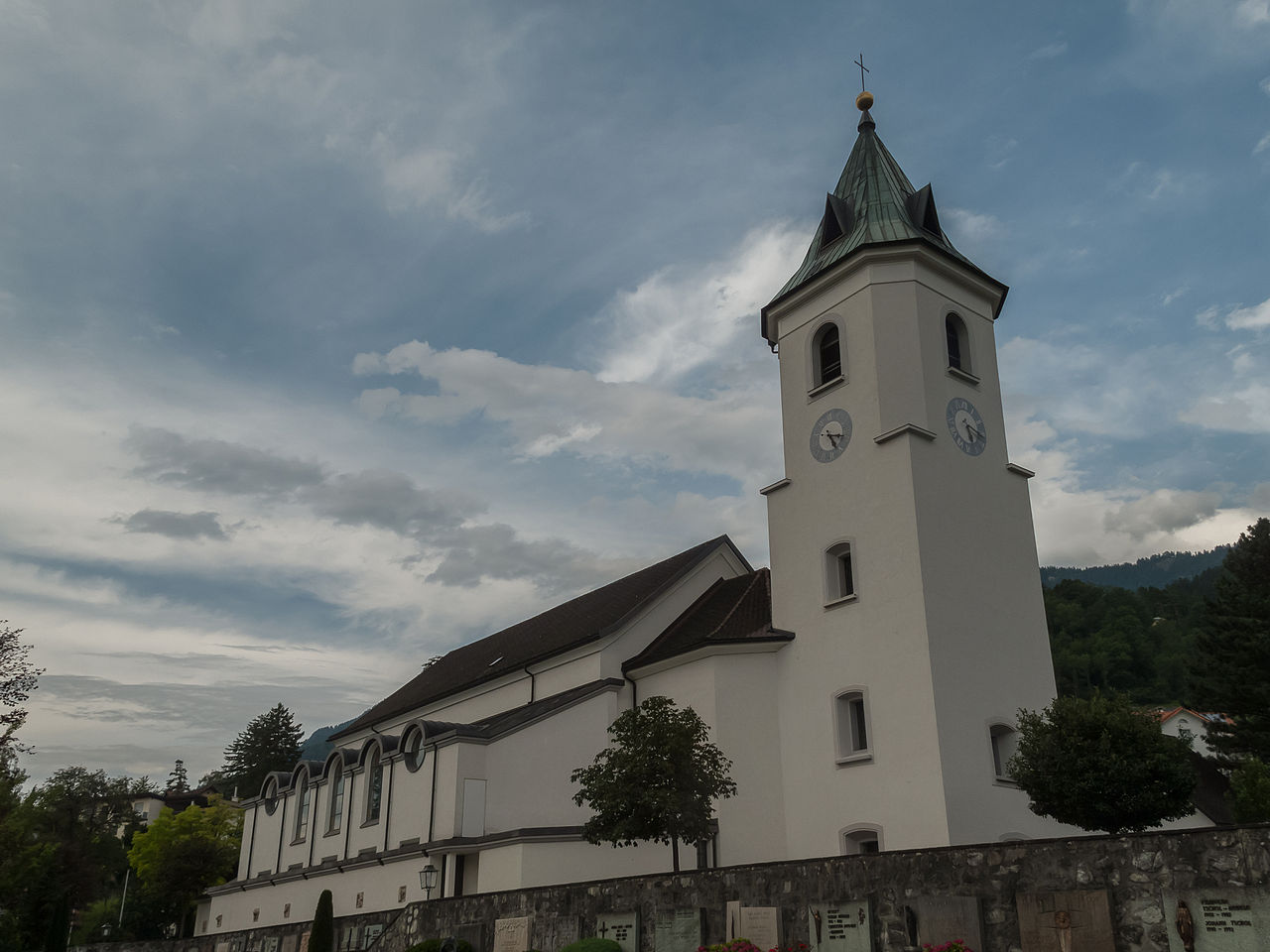
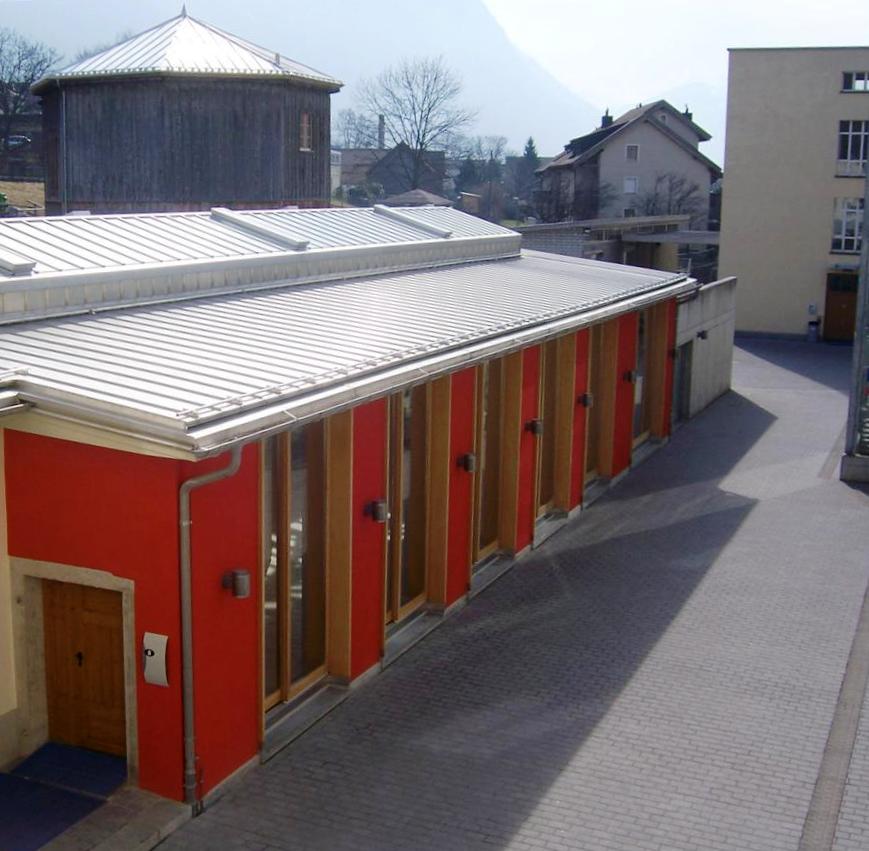
Triesen preserves several churches whose origins reach back to the 15th century; these buildings reflect successive phases of repair and refurbishment and remain prominent local landmarks. An industrial-era weaving mill, founded in 1863, survives as a recognized historical monument and illustrates the small-scale manufacturing that emerged in Liechtenstein in the 19th century.
Geography and municipal character
The municipality lies along the Rhine valley slopes and offers views over the valley and nearby Alpine foothills. Land use is a mix of built-up residential neighbourhoods, small workshops, and agricultural plots. Its location makes Triesen a convenient place for people who commute to the capital or to neighbouring towns.
Economy, services and leisure
Local economic activity is dominated by services, crafts and light industry rather than large factories. The town provides basic municipal services, schools and sports facilities, and serves as a local hub for cultural events and community clubs. Outdoor recreation such as walking and hiking in the surrounding hills is popular with residents.
Notable facts and context
- Third-largest municipality in Liechtenstein by population.
- Contains several medieval churches and a preserved 1863 weaving mill.
- Part of the broader cultural and administrative landscape of the Oberland region.
Triesen illustrates how Liechtenstein’s municipalities blend historic architecture with modern life on a compact scale, preserving monuments while adapting to the needs of a small, prosperous Alpine country.
Related articles
Author
AlegsaOnline.com Triesen: A concise guide to the Liechtenstein municipality Leandro Alegsa
URL: https://en.alegsaonline.com/art/101496