
Traverse City, Michigan
Traverse City is a lakeside city in Michigan's northern Lower Peninsula, noted for cherries, vineyards, beaches and festivals. It is a regional center for tourism, agriculture and outdoor recreation.
Overview
Traverse City is a small city located on Grand Traverse Bay in the northern part of Michigan's Lower Peninsula. It serves as the county seat of Grand Traverse County and acts as a hub for surrounding towns and rural communities. The city’s waterfront setting and seasonal visitor economy give it a distinct character compared with larger urban centers; many residents and visitors describe it simply as part of Michigan "Up North." For basic civic information see local resources and general state context at state-level pages.
Image gallery
10 Images

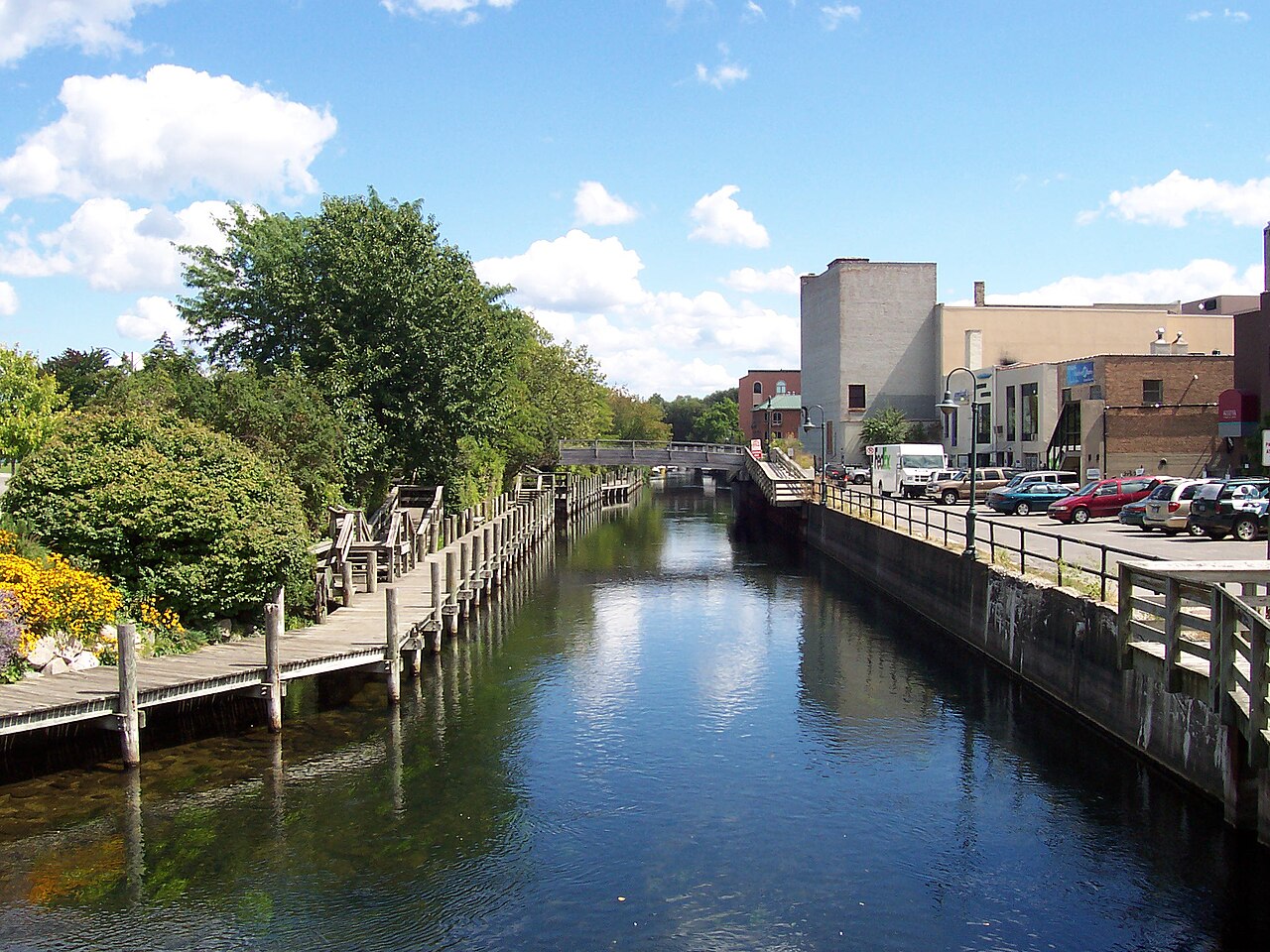


Geography and climate
Situated where the west arm of Grand Traverse Bay opens into Lake Michigan, the area benefits from a mild lakeshore microclimate that supports fruit growing and tourism. Rolling hills, nearby sand dunes and extensive shoreline create a mix of beaches, bluffs and inland woodlands. The climate and soil conditions are particularly favorable to stone fruits and grapes, which has shaped the local agricultural landscape.
History and culture
The region was inhabited for centuries by Anishinaabe peoples before European-American settlement. Over time the city developed as a center for shipping, logging and agriculture. Today it combines agricultural traditions with a growing cultural life: arts organizations, a film festival, and several annual events draw visitors. The city is especially associated with cherries; visitors often come to learn about orchards and to attend the long-running cherry-themed celebrations (cherry events).
Economy, tourism and hospitality
Tourism and agriculture are mainstays of the local economy. In summer and fall the population swells as travelers arrive for beaches, boating, wineries and specialty dining. The city offers a range of accommodations from boutique lodgings to larger hotels and resorts catering to leisure travelers and conferences—information for visitors can be found at local travel resources and lists of accommodations (hotels and stays). Public beaches and waterfront parks provide easy access to Lake Michigan and nearby inland lakes (beach information).
Attractions and activities
Popular activities include sailing and fishing on the bay, hiking in nearby state parks, visiting vineyards and tasting rooms, and attending seasonal festivals and markets. Local lists commonly highlight:
- Waterfront promenades and public beaches
- Scenic drives and nearby dune areas
- Orchards, pick-your-own fruit, and wine trails
- Arts venues and film and music events
Smaller attractions have changed over time; for example, a municipal or private zoo that once operated in the region has since closed due to limited visitation, while other amenities have expanded to meet tourist demand (local attraction updates).
Practical notes and distinctions
Traverse City functions as a regional service center with medical, educational and retail facilities that serve a broader rural area. It is accessible by regional airports, highways and seasonal ferries nearby, though summer traffic and lodging demand can be high. The combination of shoreline, orchards and a lively festival calendar distinguish Traverse City from many inland Michigan towns and make it a popular year-round destination for outdoor recreation, culinary tourism and cultural events.
For more visitor-oriented guides and planning resources see local tourism, regional descriptions at state pages, seasonal event calendars like the cherry festival schedules, beach and park listings at beach guides, accommodation and hotel directories at lodging guides, and updates on attractions at local attraction pages.
Related articles
Author
AlegsaOnline.com Traverse City, Michigan Leandro Alegsa
URL: https://en.alegsaonline.com/art/101258