
Tracy, California: Overview, History, Economy and Local Features
Tracy is a city in San Joaquin County, California. This article summarizes its location, historical development as a transportation hub, demographics, economy and notable local features.
Overview
Tracy is a city located in San Joaquin County in the Central Valley region of Northern California. It is the county's second most populous city and had a population of 82,922 at the 2010 census. Situated at the eastern edge of the Bay Area's commuter sphere, Tracy functions as both a suburban community and a regional service center.
Image gallery
10 Images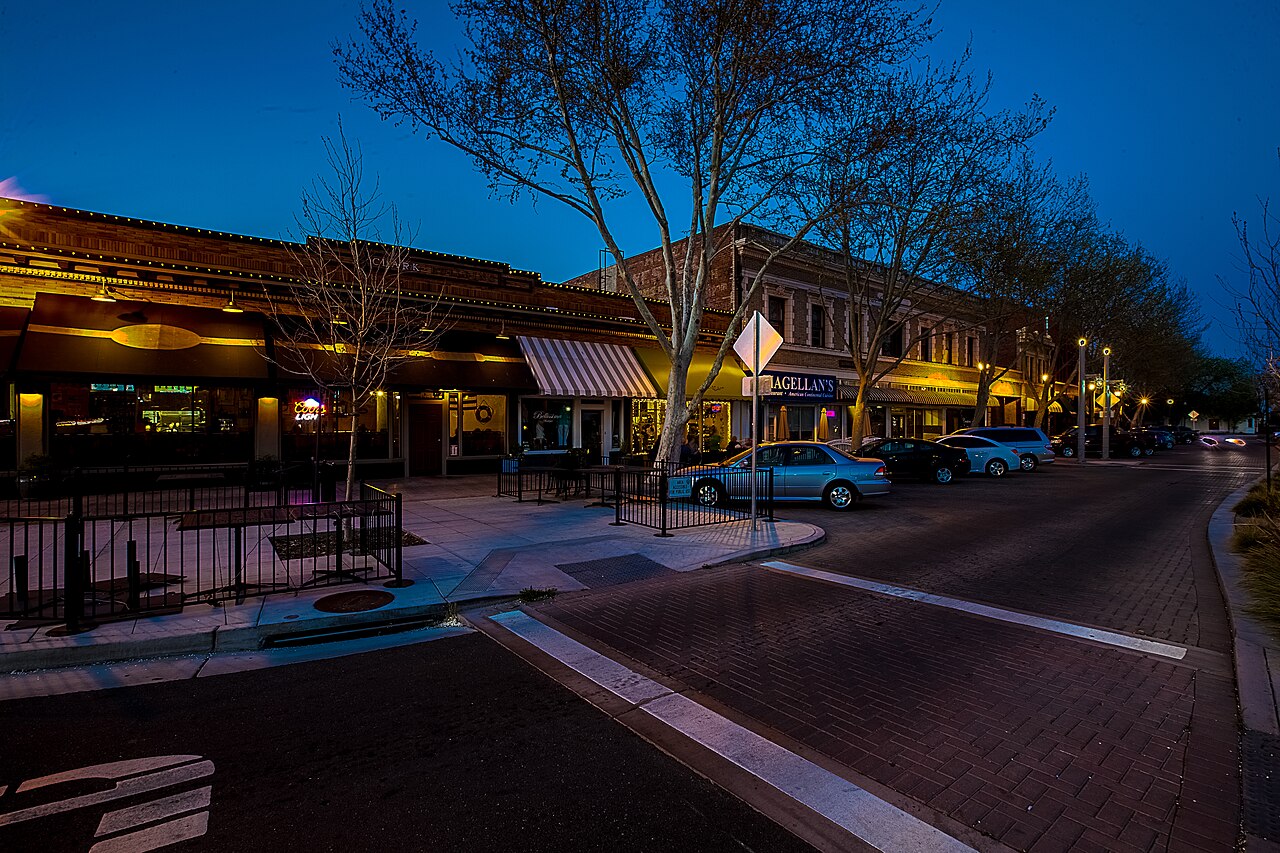





History and development
The city grew from a small agricultural crossroads into a significant transportation junction during the late 19th and early 20th centuries. Its growth accelerated with railroad and highway connections that linked inland Central Valley farms to markets in the San Francisco Bay Area. Residential and commercial expansion continued through the late 20th century as the Bay Area housing market influenced commuting patterns.
Geography and transportation
Tracy lies near important east–west and north–south transportation corridors, making it a hub for road freight and commuter travel. Major highways in the surrounding region provide direct access to the Bay Area, the Central Valley and interstate routes. The city's location has encouraged development of logistics, warehousing and distribution facilities.
Economy, land use and community
The local economy blends light industrial, retail and service sectors with remaining agricultural land in nearby areas. Many residents commute to jobs in neighboring counties, while others work locally in transportation, distribution, healthcare and education. Community amenities include parks, shopping centers and municipal services that support a growing suburban population.
Notable features
- Transportation legacy: historically important as a junction connecting inland and coastal regions.
- Commuter role: functions as an affordable residential option for workers in the Bay Area and Silicon Valley.
- Regional importance: serves as a commercial and service center for portions of southern San Joaquin County.
For further detail on local government, planning and services, municipal resources and regional planning documents are maintained by county and city agencies and provide current data on demographics, projects and infrastructure.
Related articles
Author
AlegsaOnline.com Tracy, California: Overview, History, Economy and Local Features Leandro Alegsa
URL: https://en.alegsaonline.com/art/101015
Sources
- calafco.org : "California Cities by Incorporation Date" · web.archive.org
- ci.tracy.ca.us : "City of Tracy Government Structure"
- ci.tracy.ca.us : "Mayor Robert Rickman"
- statewidedatabase.org : "Statewide Database"
- govtrack.us : "California's 10th Congressional District - Representatives & District Map"
- www2.census.gov : "2016 U.S. Gazetteer Files"
- geonames.usgs.gov : "Tracy"
- quickfacts.census.gov : "Tracy (city) QuickFacts"
- ci.tracy.ca.us : "City of Tracy: About Us"