
Tottori (city) — capital of Tottori Prefecture, Japan
Tottori is the coastal capital of Tottori Prefecture on Honshu, noted for the Tottori Sand Dunes, historic sites, local agriculture, and its administrative status as a special city.
Overview
Tottori is the principal city and administrative center of Tottori Prefecture, located on the Sea of Japan coast of the island of Honshu. It functions as a regional hub for government, culture and services in a largely rural prefecture. The city's name is written with characters meaning "bird" (鳥) and "take" or "capture" (取), and it has long served as a local market, transport and administrative center.
Image gallery
8 Images



Geography and character
The urban area lies close to the coast and is backed by low mountains and agricultural plains. The landscape around Tottori is notable for a contrast between coastal dunes and forested hills inland. The climate is influenced by the Sea of Japan, with humid summers and winters that can bring snowfall along the coast. Transportation links include regional rail and road connections and an airport that links the prefecture to larger cities.
History and administration
Historically part of the old Inaba region, the city grew around feudal castle sites and river crossings, later becoming the prefectural seat in the modern era. In 2005 Tottori was designated a special city, a municipal classification in Japan that transfers certain administrative responsibilities from the prefectural to the city government, allowing greater local autonomy in some services and planning.
Economy, culture and specialties
Tottori's economy combines public administration, service industries, local commerce, and agriculture. The surrounding plains produce fruits such as nashi pears and other crops, while fishing and seafood remain important. Cultural life includes local festivals, museums and traditions tied to the countryside of western Japan.
Attractions and notable features
- Tottori Sand Dunes — a distinctive coastal dune system that is the city's best-known natural attraction and a major draw for domestic and international visitors.
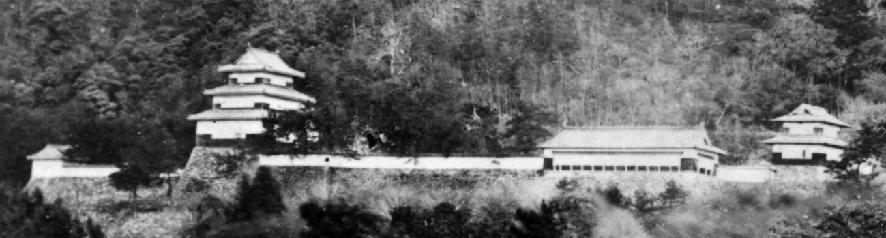
- Historic sites — castle ruins, temples and museums that reflect the city's long regional role and feudal-era history.
- Local food and craft markets — showcasing agricultural produce and regional specialties.
Although modest in size compared with many prefectural capitals, Tottori is often noted for its scenic dunes, agricultural hinterland and its role as the administrative heart of a largely rural prefecture. Visitors encounter a mix of natural scenery, quiet urban streets and cultural sites that speak to the area's historical importance and contemporary life.
Related articles
Author
AlegsaOnline.com Tottori (city) — capital of Tottori Prefecture, Japan Leandro Alegsa
URL: https://en.alegsaonline.com/art/100843
Sources
- books.google.com : "Tottori"
- hindawi.com : "Japan's Evolving Nested Municipal Hierarchy: The Race for Local Power in the 2000s,"
- hindawi.com : Table 3
- jcastle.info : Tottori castle at jcastle.info