
Bee Movie (2007) – animated comedy by DreamWorks
Animated comedy about a bee who challenges human exploitation of honey. Produced by DreamWorks Animation, it features a star voice cast, environmental themes, mixed reviews and notable cultural impact.
Overview
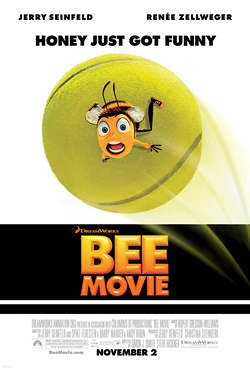
Bee Movie is a feature-length animated comedy produced by DreamWorks Animation and released in the late 2000s. The story follows an ambitious bee who becomes disillusioned with the narrow life expected of his species and ventures into the human world. The film combines slapstick, satire and a family-friendly narrative to explore the relationship between insects and people.
Image gallery
3 Images

Plot and characters
The protagonist is a young worker bee who questions his society's rules and strikes out beyond the hive. After forming an unusual friendship with a human florist, he takes legal action that upends the way humans and bees interact. The cast includes several well-known performers who provide voices for the leads and supporting roles, giving the film a recognizable ensemble sound while keeping the focus on the central comic premise.
Production and reception
Made with classical studio practices for 3D animation, the film mixes visual gags with spoken comedy rooted in everyday culture. Critics and audiences reacted with a range of responses: some praised its voice performances, animation quality and playful ideas, while others criticized its pacing and tonal shifts. Over time the movie retained visibility through home media, television broadcasts and streaming.
Themes and legacy
At its core the film touches on ecology, labor and consumer habits, using humor to make those topics accessible to younger viewers. It also functions as a satire of lawsuits and corporate behavior, framed in a whimsical context. Notable aspects and later cultural notes include:
- A focus on pollination and the value of bees to ecosystems, presented in simplified terms for a broad audience.
- Use of celebrity voices to anchor characters and comedic beats.
- A mixed critical legacy: admired by some for imagination and derided by others for narrative choices.
- Subsequent cultural presence, including memes and references that kept the film in public conversation long after its initial release.
Because of its blend of commercial animation and topical humor, the movie is often cited when discussing how mainstream animated films can introduce ecological and ethical questions to family audiences while remaining a comedic entertainment product.
Related articles
Author
AlegsaOnline.com Bee Movie (2007) – animated comedy by DreamWorks Leandro Alegsa
URL: https://en.alegsaonline.com/art/10062
Sources
- variety.com : "Review: 'Bee Movie'"
- boxofficemojo.com : "Bee Movie (2007)"