
Bee Cave, Texas
Suburban city in Travis County, Texas, west of Austin. Small land area and a history tied to a honeybee-filled cave; residential growth, retail centers, parks, and local governance.
Overview
Bee Cave is a small city in Travis County, Texas, in the central part of the United States. It began as a rural settlement and has become a suburban community on the western edge of the Austin metropolitan area. The city is governed by a local council and provides municipal services typical of small incorporated cities; for official information see the city's resources at Bee Cave official pages.
Image gallery
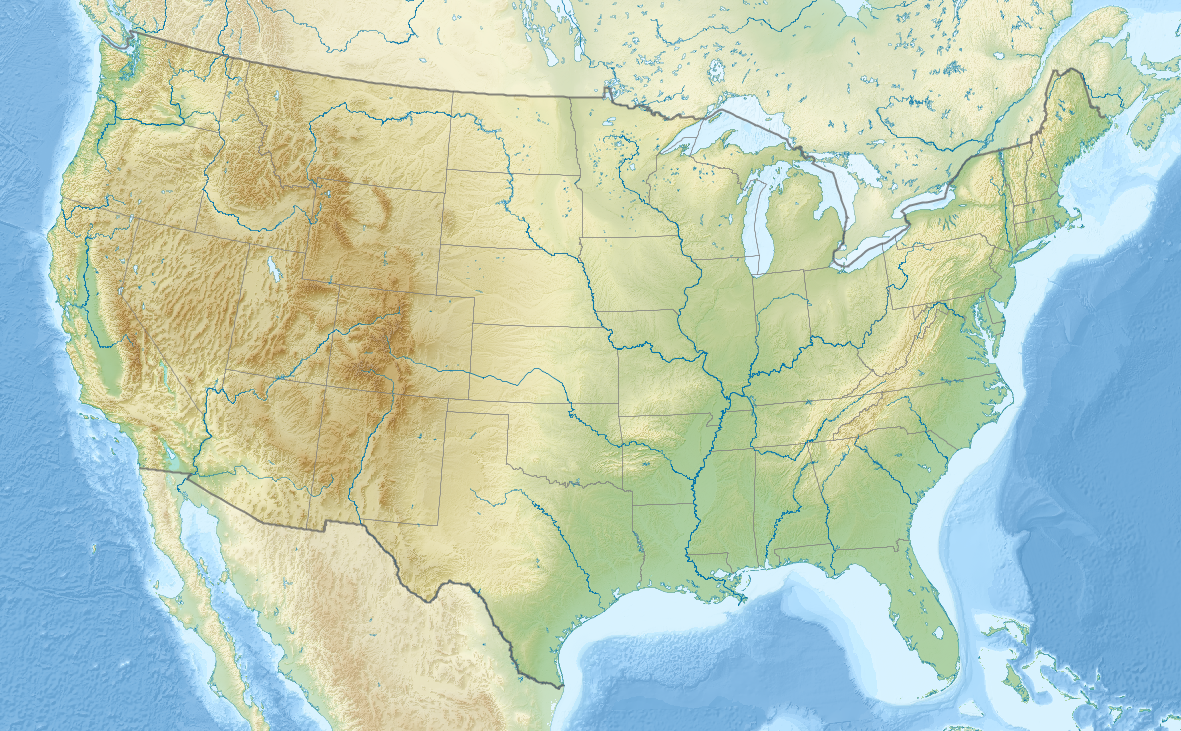
5 Images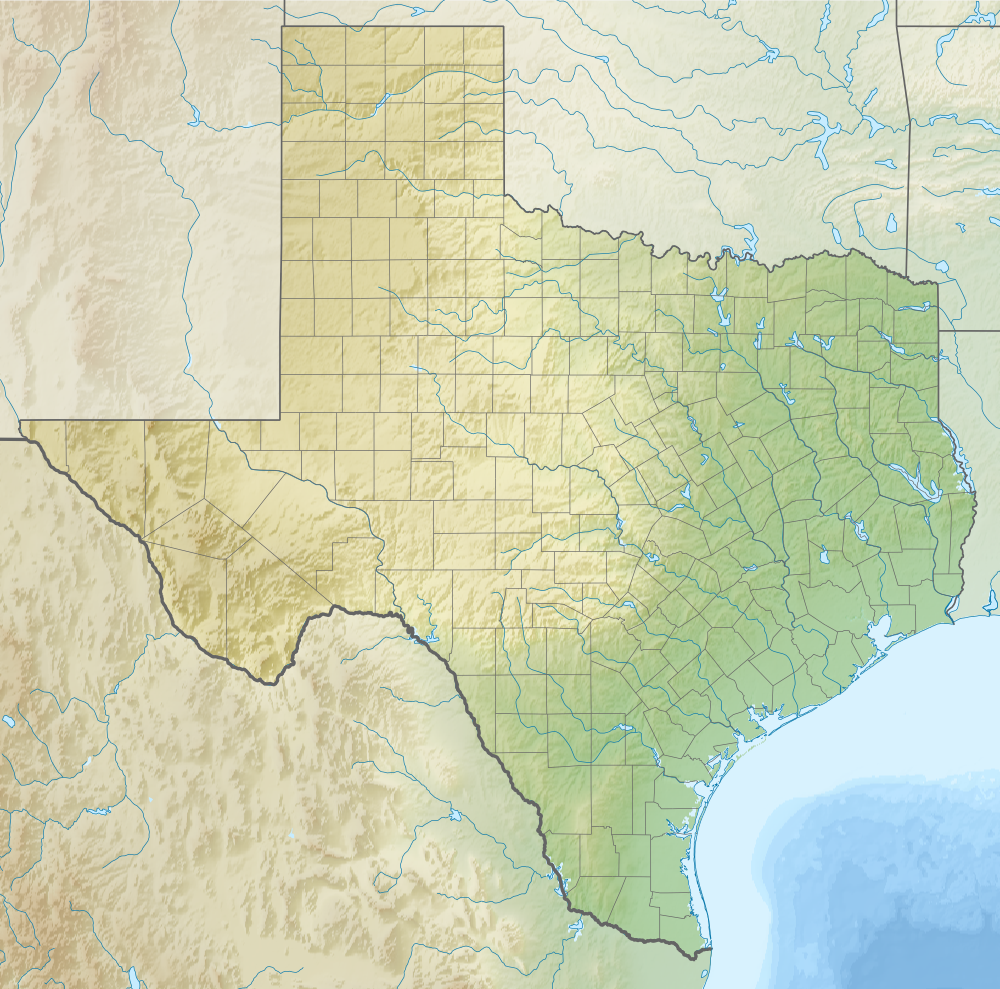


Geography and demographics
According to earlier records, Bee Cave covered about 2.6 square miles and had a recorded population of roughly 660 people in 2000. Because it sits along the rolling hills of the Texas Hill Country, the community combines residential neighborhoods with undeveloped tracts and pockets of commercial development. The compact area and proximity to Austin influence real estate patterns and commuting.
History and name
The place name comes from a natural cave in the area that was once notable for colonies of wild honeybees. Early settlers and travelers used that landmark as a local reference, and the name persisted as the settlement developed. Over time the community moved from a rural crossroads toward suburban growth while retaining references to its Hill Country roots.
Economy, amenities and culture
Bee Cave hosts a mix of neighborhood shopping, restaurants and regional retail that serve residents and visitors. Parks, trails and nearby Lake Travis offer outdoor recreation. Local retail centers and small businesses form the backbone of the city economy; many residents also commute to jobs elsewhere in the Austin area.
Education and government
Public education for Bee Cave students is administered by the regional independent school district that serves the broader area. Municipal services, planning and zoning are managed by the city government; maps and boundary information can be found through local planning resources such as city maps and documents.
Notable facts
- Bee Cave was historically named for a cave where honeybees nested; the name reflects the area's natural history.
- The city is part of the greater Austin metro region and has experienced residential growth and commercial development in recent decades.
- For baseline data and historical figures refer to archived census or municipal pages such as earlier census records and local information at official city resources.
Related articles
Author
AlegsaOnline.com Bee Cave, Texas Leandro Alegsa
URL: https://en.alegsaonline.com/art/10058
Sources
- factfinder.census.gov : "American FactFinder"
- geonames.usgs.gov : "US Board on Geographic Names"