
Tom and Jerry Tales
Animated television series reviving the classic cat-and-mouse shorts for TV; produced in the mid-2000s and aired on The CW's Kids' WB block, continuing slapstick tradition of the original characters.
Overview
Tom and Jerry Tales is an animated television series that adapts the familiar slapstick rivalry between the house cat and mouse for a made-for-television format. The show revitalizes the look and tone of the original theatrical shorts while placing episodes in contemporary contexts. It draws directly on the iconic title characters Tom and Jerry and preserves the emphasis on physical comedy rather than extended dialogue.
Image gallery
2 Images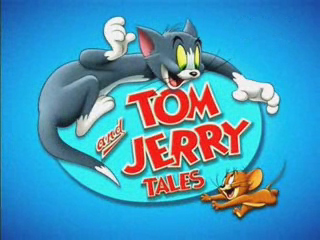

Format and characteristics
The series follows a short-subject structure: each airing is composed of multiple brief segments that concentrate on visual gags, chase sequences, and inventive setups. Animation quality and orchestral-style musical cues aim to echo the pacing and timing of the classic shorts, though backgrounds, props, and occasional modern references update the material for a 21st century television audience.
Origins and development
Developed in the mid-2000s, production began around 2005 as part of a broader revival of famous theatrical cartoon properties. The television series was preceded by several direct-to-video feature cartoons that reintroduced the characters to contemporary viewers, and those releases helped shape the decision to produce a regular TV show that more closely resembled the short-form theatrical formula.
Broadcast and availability
The show was broadcast on The CW's Kids' WB programming block, bringing the classic rivalry to a younger generation on a mainstream children's television strand. Episodes have since circulated through various home video releases and television reruns, keeping the characters present in popular media beyond their theatrical heyday. See the original broadcast block listing on The CW Kids' WB for scheduling context.
Reception and legacy
Critics and fans generally recognized the series for attempting a faithful return to the cat‑and‑mouse slapstick that defined the originals. Admirers praised the commitment to short-form visual comedy, while some commentators noted differences in tone or modern sensibilities compared with the mid-20th-century theatrical shorts. Regardless, the show reinforced Tom and Jerry's status as enduring cartoon figures and reintroduced their dynamic to children who had not seen the classic shorts.
Notable facts
- The series is among the first made-for-television efforts intentionally modeled on the theatrical short format of its source material.
- It built upon momentum from direct-to-video films that brought the characters back to contemporary viewing before the TV series debuted.
- Key traits carried over include rapid pacing, visual humor, minimal dialogue, and a focus on music and timing to deliver gags.
Taken together, Tom and Jerry Tales represents a deliberate attempt to bridge the classic era of theatrical cartoons and modern television distribution, keeping the primal comic conflict of cat versus mouse alive in a new production context.
Related articles
Author
AlegsaOnline.com Tom and Jerry Tales Leandro Alegsa
URL: https://en.alegsaonline.com/art/100367