
TikTok — short-form video social network
TikTok is a short-form, video-focused social platform known for vertical videos, algorithmic recommendations, creative editing tools, and a major role in music, trends, and creator culture.
Overview
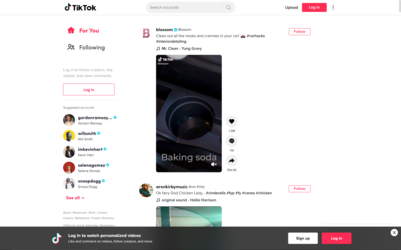
TikTok is a social media service built around short vertical videos viewed primarily on mobile devices. It enables users to record, edit and share clips across a wide range of topics, including music, comedy, dance, education, hobbies and daily life. The platform emphasizes discovery: its main feed routinely surfaces videos from both followed accounts and unknown creators, which helps content spread rapidly and enables new creators to gain visibility.
Image gallery
4 Images


Main features
TikTok provides an integrated suite of creation and sharing tools that lower the barrier to producing polished short videos. Key features include a large library of licensed music and sound effects, time and speed controls, filters, augmented-reality effects, text and sticker overlays, and simple multi-clip editing. Social interactions include likes, comments, follows, shares and private messages.
- For You Page (FYP): a personalized, algorithmic feed that tailors video recommendations to each user's behavior.
- Duet and Stitch: features that let creators respond to or build on other users' videos, enabling collaboration and remix culture.
- Hashtag challenges: community prompts and trends that encourage mass participation and often drive viral content.
- Live streaming: real-time broadcasts with viewer interactions and virtual gifting to support creators.
History and development
The service grew out of ByteDance's short-video product and gained a global user base after integrating another popular app previously known for lip-syncing content. Over time the platform expanded allowed video lengths, refined recommendation algorithms, and added monetization and commerce features to support creators and advertisers.
Content, culture and use cases
TikTok is used for entertainment, education, product discovery and social commentary. Short, repeatable formats such as dances, challenges, comedy sketches and quick how-to clips have shaped a distinct creator culture. Music and sound snippets often drive trends, with songs or audio bites spreading across the platform and into wider popular culture.
Business model and creator support
The platform monetizes through advertising and in-app purchases; creators can earn via direct gifts during live streams, creator funds, brand partnerships and commerce integrations. Tools for analytics and promotions help creators build audiences and for businesses to reach consumers with short-form content.
Moderation, safety and privacy
TikTok uses a combination of automated systems and human moderation to enforce community guidelines and remove prohibited content. The service offers safety features such as account controls, comment filters and parental settings. It has faced scrutiny about data handling, content moderation and the impact of short-form content on attention and wellbeing, prompting policy changes and public discussions.
Regulation and controversies
Authorities in several countries have reviewed the platform's data practices and influence, leading to regulatory inquiries and, in some cases, restrictions or requirements for local data storage and transparency. Debates around political content, youth exposure and platform governance remain ongoing.
Influence and future directions
TikTok has reshaped how short-form creative content is made and distributed online. Its combination of easy-to-use production tools, sound-driven trends and recommendation-focused discovery has influenced other platforms. Future development is likely to continue around creator monetization, commerce integrations, privacy controls and content moderation improvements.
Related articles
Author
AlegsaOnline.com TikTok — short-form video social network Leandro Alegsa
URL: https://en.alegsaonline.com/art/99858
Sources
- itunes.apple.com : "TikTok – Real Short Videos" · web.archive.org
- play.google.com : "TikTok"
- itunes.apple.com : "TikTok - Make Your Day" · web.archive.org
- alexa.com : "tiktok.com Competitive Analysis, Marketing Mix and Traffic - Alexa" · web.archive.org
- guidingtech.com : "Top 10 TikTok (Musical.ly) App Tips and Tricks"
- play.google.com : "TikTok – Apps on Google Play" · web.archive.org
- theindustryobserver.thebrag.com : "TikTok is fast becoming the most popular app in the world" · web.archive.org