
Testimonial (advertising and endorsements)
A testimonial is a public endorsement—often by a celebrity, expert or ordinary customer—used in marketing to influence buyers. This article explains forms, history, effectiveness and ethical or legal issues.
Overview
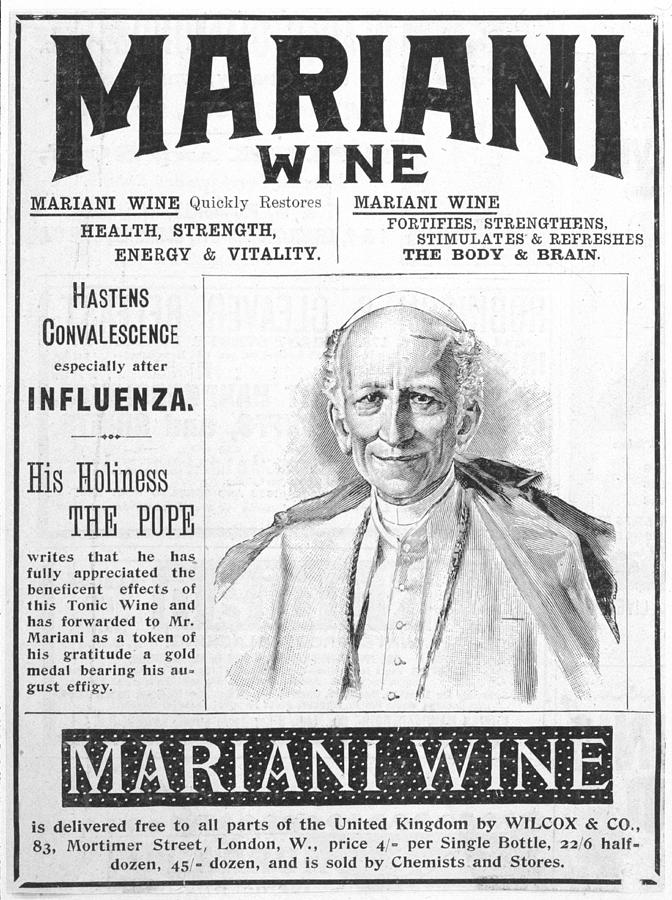
A testimonial is a statement or endorsement used in advertising to communicate approval of a product, service or idea. Businesses commonly present testimonials to build trust, highlight features, or create an emotional connection. Testimonials may come from famous people, recognized experts, or ordinary customers; each source aims to persuade potential buyers that the offering is desirable or reliable. Companies often commission endorsements to reach wider audiences and transfer perceived credibility to their brand.
Image gallery
2 Images
Types and formats
Testimonials take multiple forms depending on the medium and audience. Typical formats include:
- Celebrity endorsements: a well-known figure recommends a product (for example, a professional football player promoting apparel).
- Expert endorsements: professionals or specialists vouch for technical claims.
- User testimonials: everyday customers describe their experiences.
- Influencer or social-media endorsements: individuals with followings share opinions online.
Delivery can be written quotes, video segments, audio clips, or short social posts. Visuals and storytelling are often used to make testimonials more persuasive and memorable.
History and development
Using personal endorsements to sell goods has long roots in marketplaces and early printed advertising. With mass media in the twentieth century, celebrity endorsements became a widely used marketing tactic. The rise of the internet and social platforms expanded testimonial sources to include micro-influencers and verified customer reviews, making peer feedback more visible and searchable.
Uses and effectiveness
Marketers use testimonials to reduce perceived risk, demonstrate social proof, and differentiate products. A consumer is more likely to consider a purchase when they see someone they admire or identify with supporting it. Effectiveness depends on relevance, credibility of the endorser, and the testimonial’s authenticity. Research and practice indicate that endorsements work best when the endorser seems trustworthy and legitimately connected to the product’s claims.
Legal and ethical considerations
Regulators and industry bodies in many jurisdictions require clear disclosure when testimonials are paid or sponsored. Transparency helps prevent misleading impressions of impartiality. Ethical issues include exaggeration of results, fabricated reviews, and failure to disclose material connections. Platforms and advertisers often establish guidelines to label commercial endorsements so that a prospective consumer can judge the testimonial’s reliability.
Distinctions and notable facts
Not all testimonials carry the same weight: celebrity visibility may increase attention but not credibility for technical claims, whereas an expert’s endorsement can strengthen specific performance assertions. User testimonials offer social proof but vary widely in quality and verifiability. Whether a testimonial is persuasive often comes down to perceived honesty, context, and the match between endorser and product. For additional perspective on endorsement practices and examples, see related resources such as industry guides and advertising standards overview.
Author
AlegsaOnline.com Testimonial (advertising and endorsements) Leandro Alegsa
URL: https://en.alegsaonline.com/art/97214