
Tenna era (1681–1684) — a short period of the early Edo period
Tenna (1681–1684) was a Japanese era name meaning "Peace of Heaven", spanning the reign of Emperor Reigen and early years of Shogun Tokugawa Tsunayoshi during the Edo period.
Overview
Tenna (天和) was a Japanese era name, or nengō, that lasted from September 1681 through February 1684 in the Gregorian calendar. The era followed Enpō and preceded Jōkyō; it covered a brief interval during the long Tokugawa shogunate in the Edo period. The imperial sovereign was Emperor Reigen (霊元天皇), while the de facto military government in Edo was led by Tokugawa authority under Shōgun Tokugawa Tsunayoshi. The characters for Tenna are commonly translated as "Peace of Heaven," reflecting the aspirational quality often associated with era names.
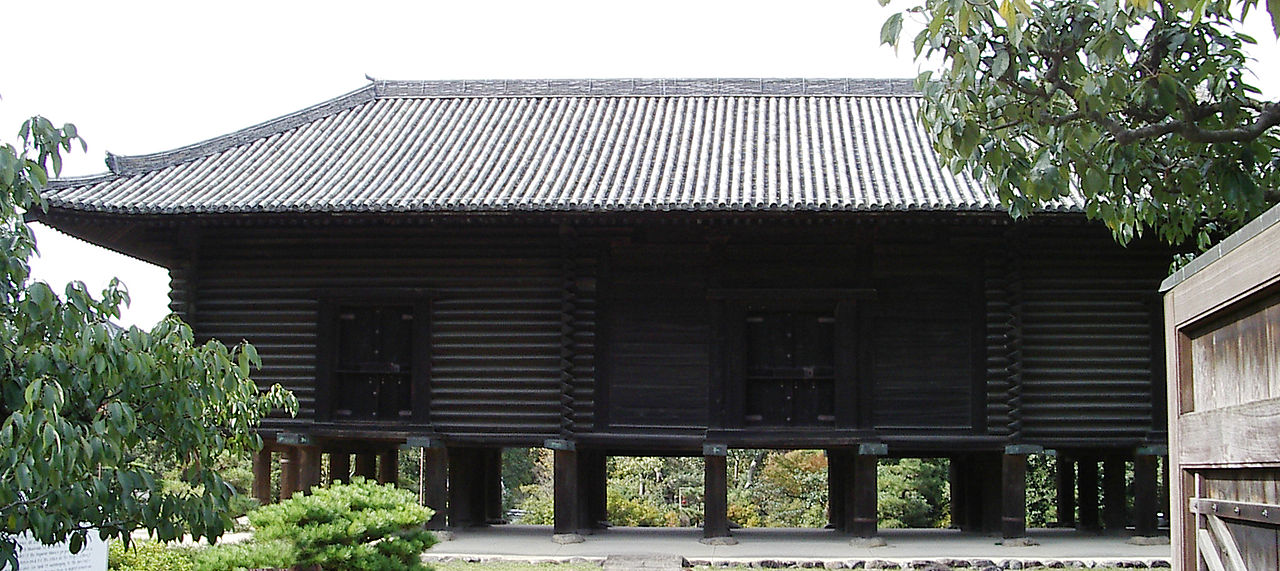
Image gallery
3 Images

Political and social context
Tenna falls within the middle decades of the Edo period, a time characterized by centralized samurai rule, a rigid social order, and relative internal peace under the Tokugawa bakufu. During this era the shogunate continued to consolidate administrative systems established earlier in the 17th century: alternate attendance (sankin-kōtai), domain governance, and controls on foreign contact. Urban centers such as Edo (modern Tokyo), Osaka and Kyoto continued to grow, and the structures of municipal administration and merchant networks became more complex.
Notable figures and timeline
- Era name: Tenna (天和), meaning "Peace of Heaven" (September 1681–February 1684)
- Emperor: Reigen (霊元天皇)
- Shogunate leadership: early years of Tokugawa Tsunayoshi's tenure as shōgun
- Chronological position: follows Enpō and precedes Jōkyō
These basic points define the era’s placement in the broader sequence of Japanese periodization and in the political landscape dominated by the Tokugawa house.
Culture, economy and daily life
Although Tenna itself is a short span, it forms part of the longer cultural currents of the Edo period. Cities expanded, a vibrant urban culture developed, and popular arts such as kabuki theater, ukiyo-e prints, and new literary genres flourished among townspeople. Commercial activity intensified along trade routes; merchant classes gained wealth and influence within the constraints of the social order. At the same time, the ruling elite continued to patronize Confucian learning and classical arts, which influenced official policy and education.
Nengō system and meaning
The selection of Tenna as an era name illustrates how Japanese era names were often chosen for auspicious or stabilizing connotations. The nengō system has been used in Japan since the 7th century to mark periods of an emperor’s reign, significant events, natural disasters, auspicious omens, or deliberate political resets. Tenna’s literal meaning, "Peace of Heaven," signals a desire for stability and good fortune during the years it covered.
Legacy and historical perspective
As a brief chronological label, Tenna is mainly of interest to historians for dating documents, official acts, and cultural productions from the early 1680s. It serves as a reference point within the longer narrative of Tokugawa rule and Edo society. Researchers rely on era names like Tenna to align Japanese primary sources with the Gregorian calendar and to trace continuities in administration, culture, and social life from one nengō to the next.
For further reading on era names and the sequence of Japanese periods see resources on the nengō system and the adjacent eras Enpō and Jōkyō. These provide a broader context for understanding how short-era names such as Tenna fit into Japan’s long historical chronology.
Related articles
Author
AlegsaOnline.com Tenna era (1681–1684) — a short period of the early Edo period Leandro Alegsa
URL: https://en.alegsaonline.com/art/96982
Sources
- books.google.com : "Tenna,"
- books.google.com : "Reigen Tennō,"
- books.google.com : Annales des empereurs du japon, pp. 414-415.
- books.google.com : p. 415.
- books.google.com : The Coins of Japan, p. xviii.