
Teamwork: Principles, Roles, and Practical Uses
Teamwork is coordinated effort by a group to achieve shared objectives. This article outlines core characteristics, history, benefits, challenges, practical examples—including healthcare—and best practices.
Overview
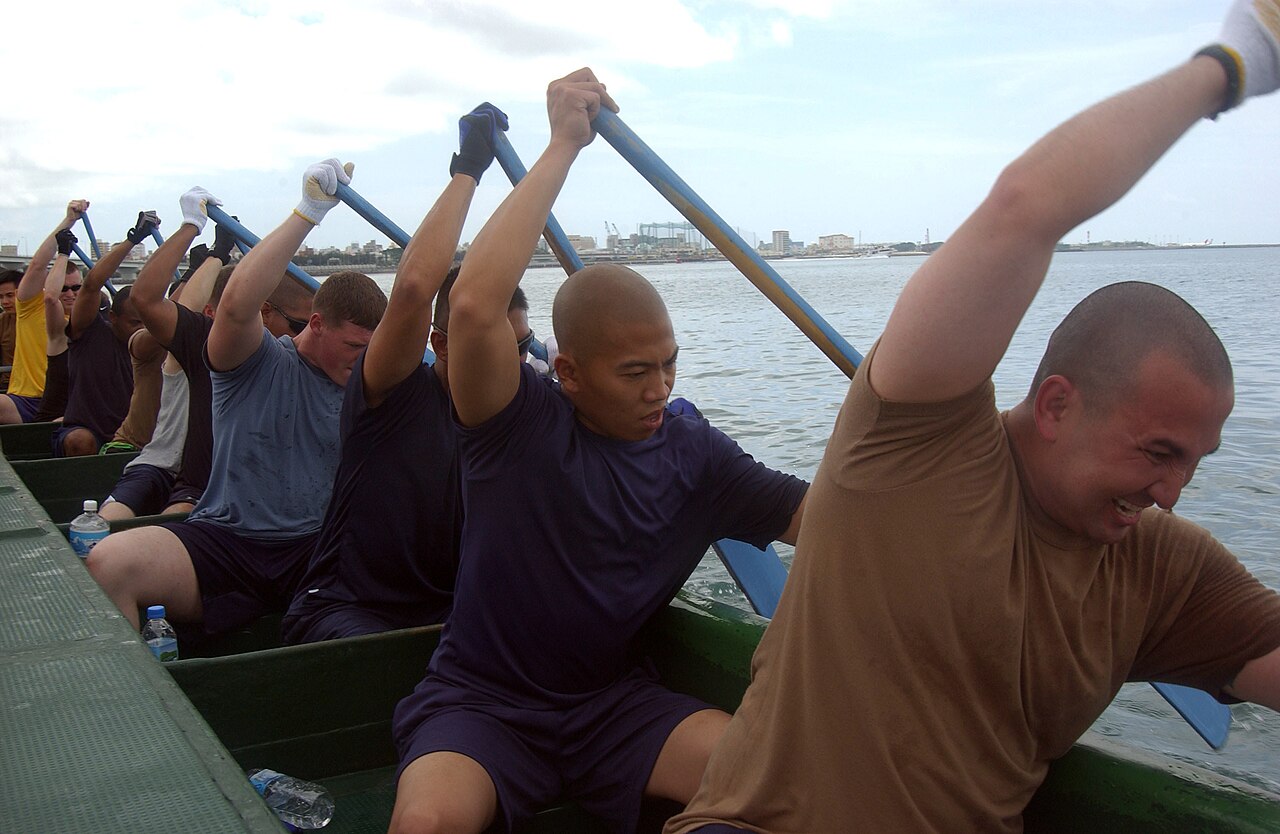
Teamwork describes a situation in which two or more people coordinate their skills, time and effort to accomplish a shared goal. It is distinguished from loose collaboration by a stronger emphasis on interdependence: tasks are divided, responsibilities overlap where needed, and members adjust to one another. Effective teamwork integrates clear objectives, mutual accountability and active communication so the group produces outcomes that individual contributors could not achieve alone.
Image gallery
5 Images



Characteristics and roles
Teams vary in size and composition but successful teams tend to share several common features. They have an agreed purpose, complementary skills among members, defined but flexible roles, and norms for making decisions and resolving conflict. Typical roles include a coordinator or leader, subject-matter specialists, a communicator or facilitator, and people who focus on detail or implementation. Psychological safety — the sense that members can speak up without penalty — supports creativity and problem solving.
History and development
The modern concept of teamwork grew from industrial and organizational studies in the 20th century, when factories and offices required coordinated work processes. Later developments in group dynamics, human resources and management science emphasized motivation, leadership and culture. In recent decades technology has reshaped teamwork: cross-functional teams, agile project methods and virtual collaboration tools allow people in different locations and specialties to form temporary or long-term teams.
Uses, examples and importance
Teams are central across many domains: business project teams design products and services; sports teams combine individual skills toward a common strategy; emergency response teams coordinate time-critical interventions. In healthcare, interdisciplinary teamwork brings together doctors, nurses, therapists and support staff to plan and deliver patient care; training and simulation help improve coordination and safety. See examples of interdisciplinary teams, the role of simulation training for team skills, how teamwork affects patient outcomes, and team practices used in hospital settings.
Challenges and best practices
Working in teams poses challenges such as unclear authority, social loafing, communication breakdowns and conflicting priorities. Practical measures that improve performance include:
- Clear goals: agreed, measurable objectives for the team.
- Defined roles: responsibilities that reduce duplication and gaps.
- Open communication: routines for sharing information and feedback.
- Trust and psychological safety: environments where concerns and ideas can be raised.
- Structured decision-making: agreed methods for reaching choices and resolving disputes.
- Continual learning: reviewing outcomes and adapting processes.
Distinguishing a team from a mere group is important: teams pursue a common purpose and depend on coordinated effort, while groups may simply consist of people with a shared attribute or location. As organizations and communities evolve, teamwork remains a flexible and widely applicable approach to combining diverse skills, improving resilience, and achieving objectives that require cooperation rather than solitary labor.
Author
AlegsaOnline.com Teamwork: Principles, Roles, and Practical Uses Leandro Alegsa
URL: https://en.alegsaonline.com/art/96651
Sources
- onlinelibrary.wiley.com : Teamwork