
Tatiana Samoilova — Soviet and Russian film actress
Tatiana Samoilova (1934–2014) was a celebrated Soviet and Russian actress best known for The Cranes Are Flying (1957) and a screen Anna Karenina (1967). Her work earned international recognition and enduring influence.
Overview
Tatiana Yevgenyevna Samoilova was a prominent Soviet and Russian film actress born on 4 May 1934 in Leningrad. She became widely known for her portrayal of emotionally complex women during the postwar era. Her breakthrough performance in The Cranes Are Flying (1957) brought her international attention and established her as one of the leading screen actresses of her generation. The actress continued to work steadily for decades, becoming associated with literary adaptations and dramatic roles.
Image gallery
1 Image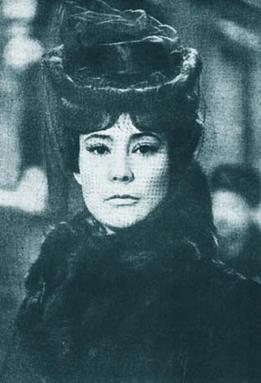
Career and major works
Samoilova began acting professionally in the mid-1950s and went on to appear in over fifty films. Her role as Veronika in The Cranes Are Flying remains the best known: the film examined the impact of World War II on Soviet society and was acclaimed abroad for its visual style and emotional intensity. Later in her career she took on demanding parts such as the title role in the 1967 screen adaptation of Tolstoy's Anna Karenina, demonstrating a capacity to convey psychological nuance in long, stage-like scenes.
Selected filmography
- The Cranes Are Flying (1957) — breakthrough international success
- The Unsent Letter (1959) — early dramatic work
- Anna Karenina (1967) — literary adaptation showcasing her range
- Later films and television roles — continued presence through the 1970s and beyond
Legacy and recognition
Samoilova's performances were noted for their emotional authenticity and understated intensity at a time when Soviet cinema was exploring new aesthetic directions. The international reception of The Cranes Are Flying helped draw attention to Soviet filmmaking in the late 1950s. Domestically she remained a respected figure, often associated with tragic, introspective heroines. Over the course of a long career she worked with notable directors and contributed to adaptations of major Russian literary works.
Personal life and death
Born and raised in what is now Saint Petersburg, Samoilova remained active in acting until retiring in 2008. On 3 May 2014 she was taken to hospital in Moscow with serious health problems reported in contemporary accounts; reports cited coronary heart disease and hypertension as contributing conditions. She died on 4 May 2014, her 80th birthday. For contemporary notices and summaries of her life see press reports.
Her career continues to be studied by those interested in postwar Soviet cinema and the changing roles available to women on screen. Further information and archival materials can be consulted via film archives and bibliographies of Soviet-era film history.
Related articles
Author
AlegsaOnline.com Tatiana Samoilova — Soviet and Russian film actress Leandro Alegsa
URL: https://en.alegsaonline.com/art/96502
Sources
- vm.ru : Tatiana Samoilova will be buried at Novodevichy cemetery (russian language)