
Swedish Division 1 (Ettan Fotboll)
The third tier of men’s association football in Sweden, organised in regional divisions. Ettan acts as a semi‑professional national competition and a stepping stone to the second tier (Superettan).
Overview
Swedish Division 1, commonly called Ettan Fotboll, is the third level of men's association football in Sweden. It occupies a middle position in the national league pyramid, sitting below the second tier (Superettan) and above the regional fourth tier. Ettan brings together clubs from across the country into a national competition split on geographical lines.
Image gallery
6 Images


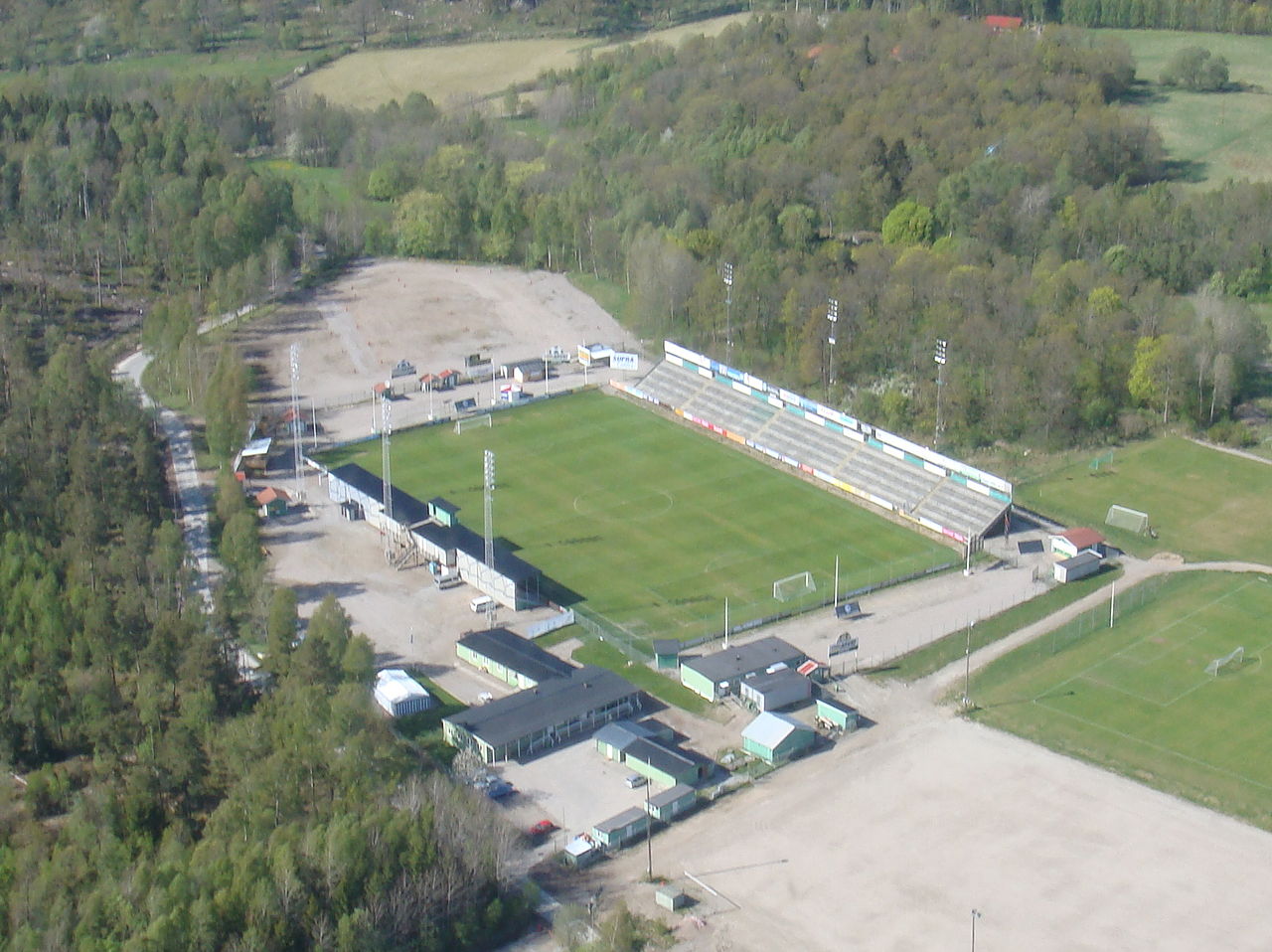


Competition format and structure
The league is organised into two regional sections, typically described as Norra (north) and Södra (south). Clubs in each section play a season that follows the Scandinavian calendar, with matches concentrated in spring to autumn to cope with winter conditions. Teams are usually a mix of fully professional and semi‑professional sides, including reserve squads of larger clubs and well‑established local clubs.
Promotion, relegation and season outcome
- Top teams in each regional section earn promotion to the second tier, providing a clear pathway to higher national competition.
- Lower‑placed clubs are relegated to the regional fourth tier, where they compete to return.
- Playoffs or additional promotion/relegation ties are often used to determine final places between divisions, depending on the rules adopted for a given season.
History and development
The third level of Swedish football has undergone several reorganisations over time, but Division 1 remains the established name for the national third tier in its modern incarnation. Reforms have aimed to balance travel demands, competitive fairness and financial viability for clubs distributed across a large country with diverse climates.
Role and significance
Ettan plays an important role in player development and club growth. It offers regular competitive matches for young prospects, semi‑professional players and veteran professionals aiming to return to higher levels. Local rivalries and cup participation help sustain community interest and club finances, making the division both a sporting and cultural component of Swedish football.
Notable characteristics
- Regional grouping reduces travel and fosters local derbies.
- Season timing accommodates Nordic weather patterns.
- The league is often watched by scouts seeking talent for higher tiers.
Author
AlegsaOnline.com Swedish Division 1 (Ettan Fotboll) Leandro Alegsa
URL: https://en.alegsaonline.com/art/95467