
Sveg — town and municipal seat in Härjedalen, Jämtland, Sweden
Sveg is the administrative centre of Härjedalen Municipality in inland Jämtland, Sweden. It functions as a local service hub and gateway to mountain and forest recreation, with links by rail, road and regional air.
Overview
Sveg is a small town in the interior of Sweden, serving as the administrative centre of Härjedalen Municipality. It lies in the historical province of Jämtland and within the modern unit of Jämtland County. The town functions as the principal service and commercial hub for surrounding rural communities and seasonal visitors, providing municipal administration, healthcare, schools and basic retail services.
Image gallery
3 Images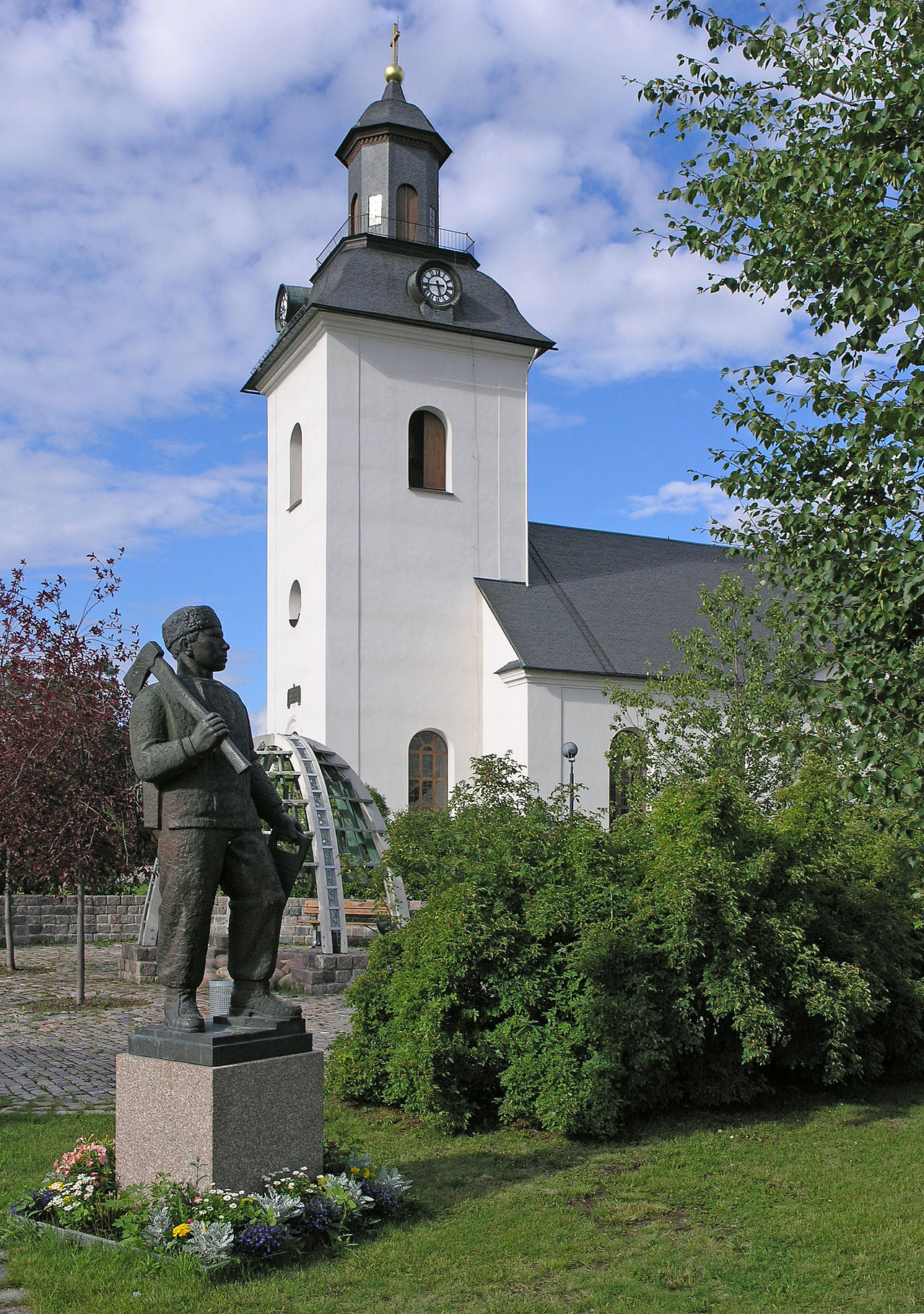


Geography and environment
Sveg occupies an inland landscape of mixed coniferous and birch forest, interspersed with lakes and rivers typical of central Scandinavia. The surrounding terrain rises toward the Scandinavian mountain range to the west, making the area a transition zone between lowland forests and higher mountain environments. The climate is continental with cold winters and relatively mild summers, which shapes seasonal activities and traditional livelihoods.
History and development
The settlement grew from a parish centre and market place to a local town that historically served forestry and agrarian districts. During the 19th and 20th centuries improved transport links and the development of timber industries influenced population and economic patterns. As the seat of municipal government, Sveg consolidated public services and cultural institutions that serve the wider Härjedalen area.
Economy, culture and recreation
Local economic activity blends public administration, small industry, services and tourism. Cultural life reflects rural traditions: community festivals, handicrafts, local museums and seasonal markets are part of the calendar. The natural environment supports outdoor recreation all year round — hiking, fishing, berry and mushroom picking in summer, and cross-country and alpine skiing in winter. Wildlife watching and nature photography are popular pursuits for visitors.
Transport and points of interest
Sveg is connected to other inland towns by regional roads and the Inlandsbanan railway, which provides scenic rail services through central Sweden. The town is also served by a regional airport, useful for links to larger urban centres. Notable points of interest include historic churches and municipal buildings, waymarked nature trails, and winter-sport facilities. Typical visitor activities include:
- Day hikes and longer treks into nearby forest and mountain areas
- Canoeing and angling on local rivers and lakes
- Cross-country and downhill skiing during the winter season
- Visiting local cultural sites, small museums and seasonal markets
For practical information about services, events and travel, consult municipal and regional resources linked by local authorities and tourism organisations.
Related articles
Author
AlegsaOnline.com Sveg — town and municipal seat in Härjedalen, Jämtland, Sweden Leandro Alegsa
URL: https://en.alegsaonline.com/art/95370