
Surprise (emotion): definition, signs, functions, and distinctions
Surprise is a brief emotional and physiological response to unexpected events, characterized by rapid attention shift, facial changes, and varied outcomes; it plays an orienting and learning role and differs from shock or awe.
Overview
Surprise is a short-lived emotional reaction that arises when an event or stimulus violates expectations. It combines cognitive appraisal (recognizing that something unexpected occurred) with an immediate physiological and behavioral response. The experience can be pleasant, unpleasant, or neutral depending on context and interpretation. For a concise definition and related topics see surprise (emotion).
Image gallery
7 Images




Typical characteristics
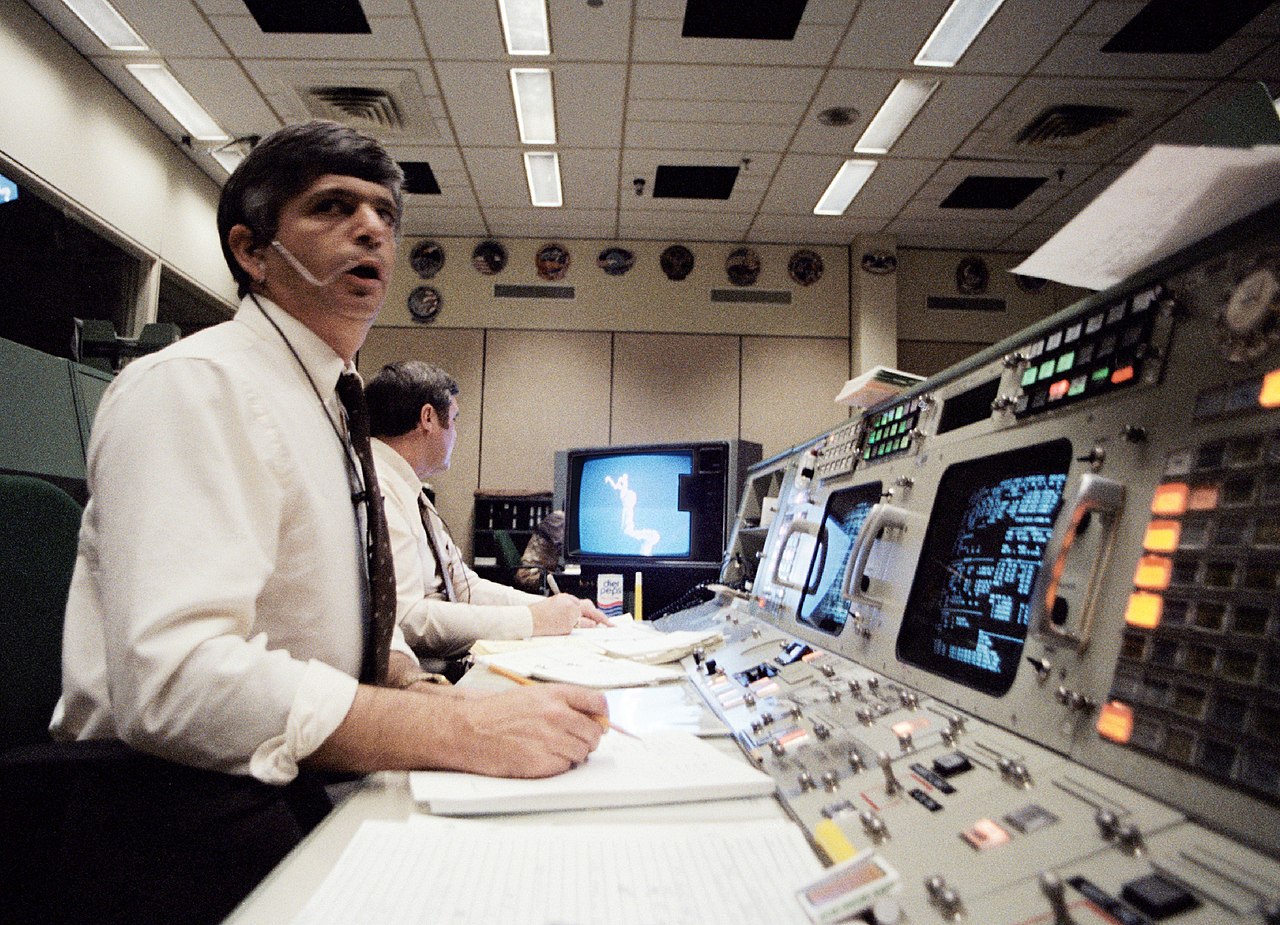
Common outward signs of surprise include widened eyes, raised eyebrows and an open mouth, often accompanied by a brief gasp or startle. Internally, surprise is associated with an orienting response: attention shifts quickly toward the novel stimulus, heart rate and skin conductance can change, and sensory processing is enhanced for a short period. These reactions are usually brief and resolve once the unexpected element is understood.
Functions and importance
Surprise serves adaptive roles: it directs attention to potentially important changes in the environment, facilitates rapid assessment, and can speed learning by highlighting information that differs from prior expectations. In social settings, surprise communicates new news or shifts in plans, and it can strengthen social bonds when shared. Designers, educators, and performers often use surprise deliberately to capture attention or enhance memorability; see examples in entertainment and marketing at applications of surprise.
History and scientific study
Early writers on emotion noted expressive responses to unexpected events; modern psychology has treated surprise as a basic affective state worthy of empirical study. Researchers analyze surprise through behavioral observation, physiological measurement, and facial expression coding systems. Cross-cultural investigations indicate the core facial pattern of surprise is widely recognized, though cultural display rules influence how openly it is shown. For experimental contexts and methodology, consult resources such as emotion research.
Examples and everyday occurrences
- Startling noises (e.g., a balloon popping) often produce an immediate surprised reaction and a reflexive startle.
- Unexpected outcomes, like an unforeseen result in a game or a surprising plot twist, commonly evoke surprise and quick reappraisal.
- Positive surprises—such as an unexpected gift—or negative ones—such as sudden bad news—share the initial orienting response but diverge in subsequent emotions.
Illustrative references and media treatments of surprise can be found in analyses of film, advertising, and cognition; see a selection at examples of surprise and surprise in media.
Distinctions and related states
Surprise differs from related states in several ways: it is typically brief, unlike prolonged emotions such as grief or joy; it is less intense and more transient than shock; and it is distinct from awe, which usually includes a sense of vastness and longer-lasting reflection. How surprise unfolds depends on appraisal: once the meaning of the event is known, it commonly gives way to emotions such as amusement, fear, relief, curiosity, or anger.
Related articles
Author
AlegsaOnline.com Surprise (emotion): definition, signs, functions, and distinctions Leandro Alegsa
URL: https://en.alegsaonline.com/art/95191