
Sulphur Springs, Arkansas: small city in northwest Arkansas
Sulphur Springs is a small city in Benton County, northwest Arkansas, named for local mineral springs. This article covers its setting, origins, community character, and notable distinctions.
Overview
Sulphur Springs is a small city in the United States state of Arkansas. It is one of several American towns that bear the name "Sulphur Springs," a reference to natural mineral springs with noticeable sulfur content. The community is primarily residential and rural in character, with a local government and civic institutions typical of small American cities.
Image gallery
1 Image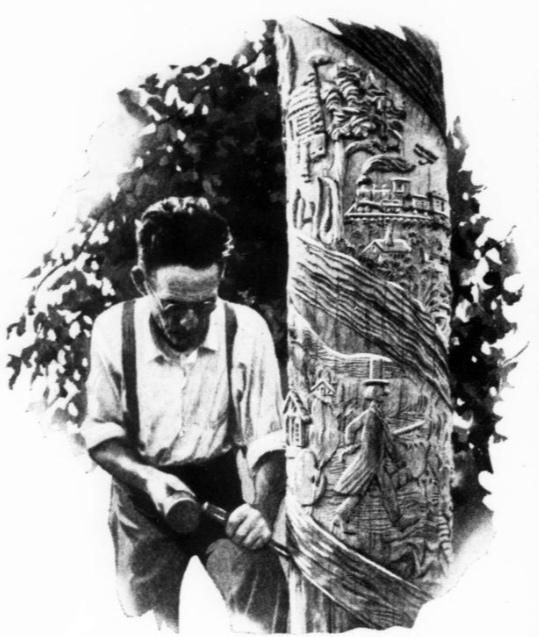
History and name
The town's name reflects the presence of sulfur-bearing springs in the area, which early settlers and visitors often associated with therapeutic or medicinal properties. Like many similar communities, Sulphur Springs developed around these water sources and later diversified beyond spa-related activity into agriculture and local services. The settlement history follows patterns common to rural Arkansas communities, growing modestly as roads and nearby towns developed.
Geography and characteristics
Sulphur Springs sits within the landscape of northwest Arkansas, an area of rolling hills and mixed forests. The built environment includes homes, small businesses, churches and community buildings rather than large commercial centers. Local roads connect residents to larger nearby towns for employment, education and specialized services.
Community and economy
The local economy is typically anchored by small-scale commerce, agriculture, and commuting to jobs in larger regional centers. Community life often revolves around schools, volunteer organizations and seasonal events. The natural springs that inspired the town's name remain a notable feature, even if modern uses are mainly recreational or historical rather than commercial spa businesses.
Notable facts and distinctions
- Sulphur Springs shares its name with several other U.S. towns; context is important when referring to it.
- The town's origin is linked to natural mineral springs, a common naming practice in the 19th century.
- Its small size and rural setting distinguish it from larger cities in northwest Arkansas.
Further information
For readers seeking municipal details, maps or current civic information, official local government sources and regional planning organizations offer up-to-date records. Local historical societies can provide additional background on the springs and early settlement patterns.
Related articles
Author
AlegsaOnline.com Sulphur Springs, Arkansas: small city in northwest Arkansas Leandro Alegsa
URL: https://en.alegsaonline.com/art/94742