
Forward (football)
A forward is an attacking association football player positioned nearest the opponent's goal. This article explains their roles, types, tactical evolution, skills, and how they differ from other positions.
Overview
A forward, often called a striker or attacker, is a player in association football whose primary task is to create and convert goal-scoring opportunities. Forwards occupy the most advanced positions on the pitch and are typically judged by the number of goals and chances they produce. Their placement and duties vary with team tactics, but their central purpose remains putting the ball in the net.
Image gallery
10 Images


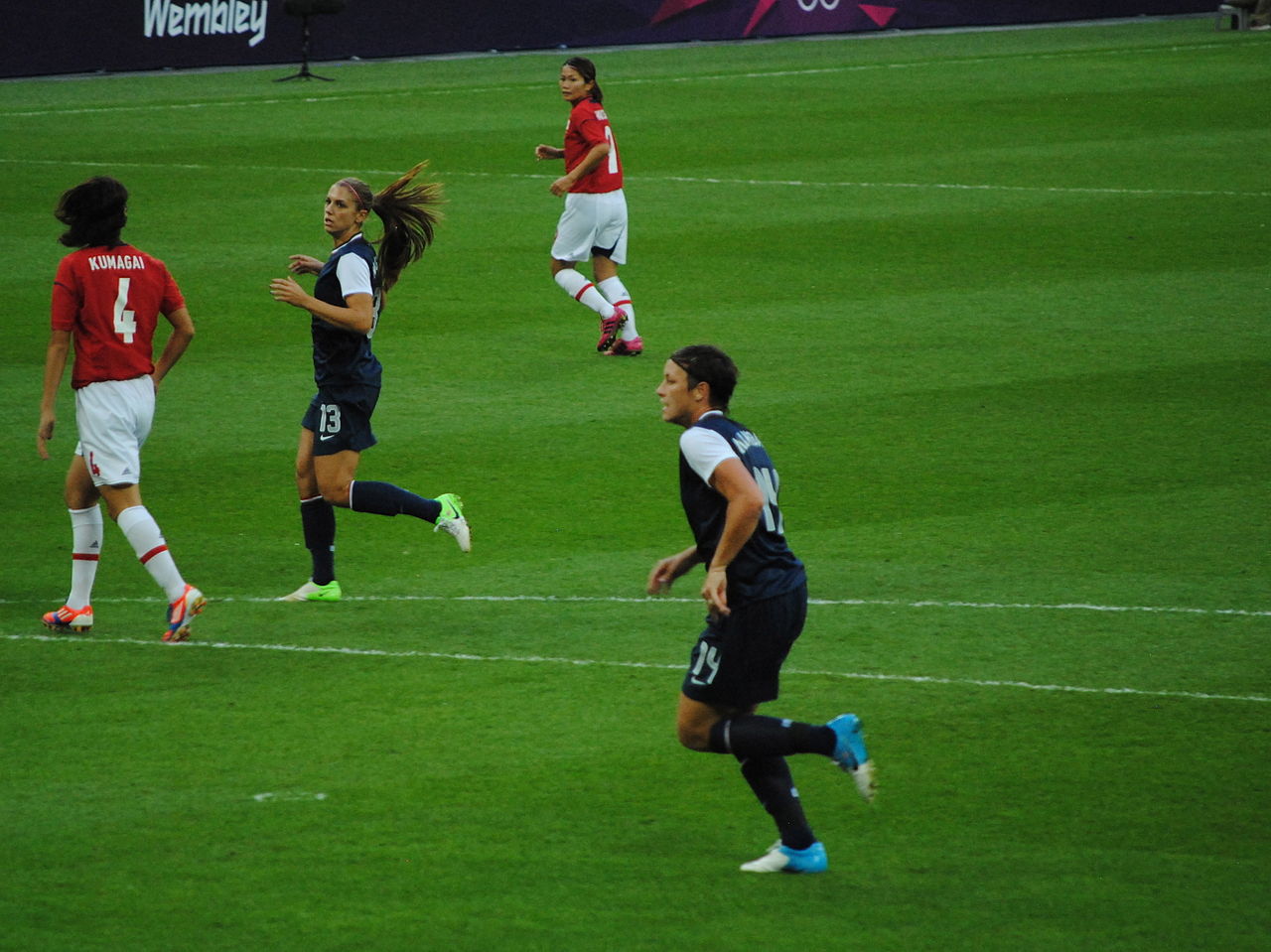


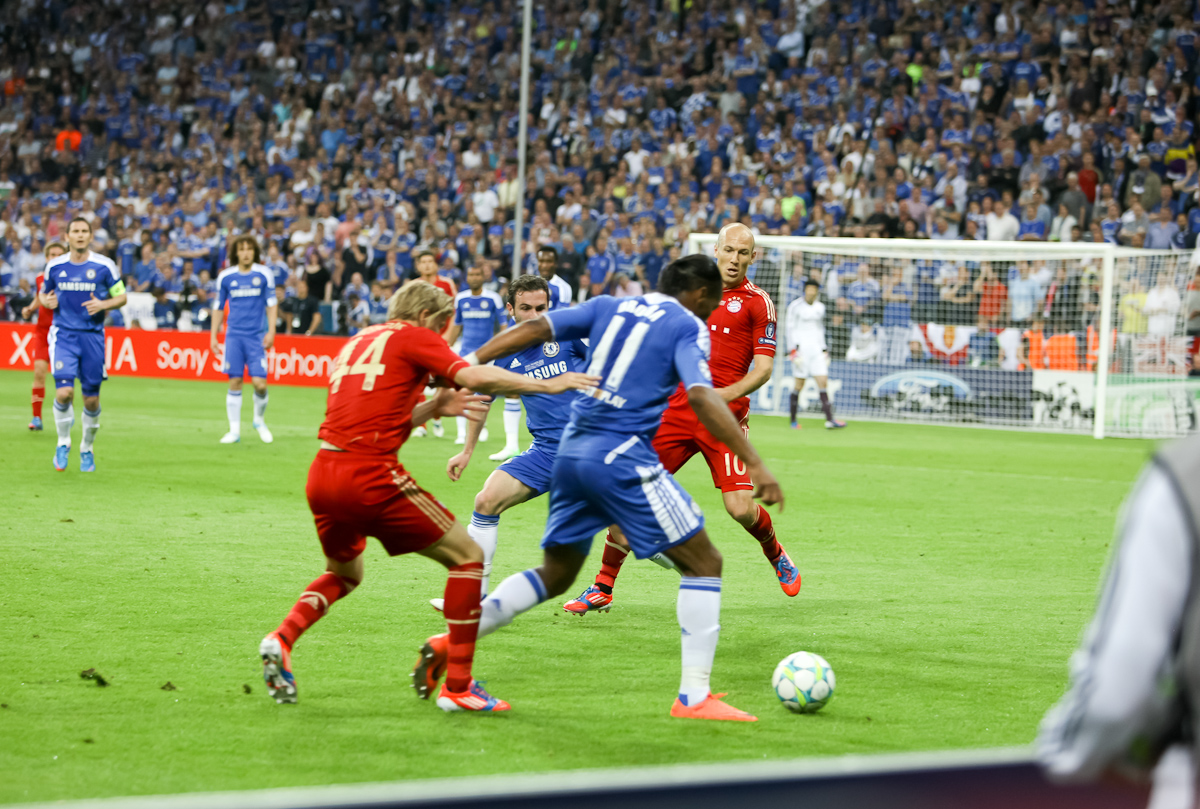


Roles and common types
Forwards are not a single, uniform role; teams deploy several specialised types to exploit different tactical strengths. Common varieties include:
- Centre forward/striker: The main goal-scorer, leading the attacking line and often central to finishing moves.
- Second striker/withdrawn forward: Plays slightly behind the main striker to link play, create chances and assist.
- Winger/inside forward: Wide attackers who either cross from the flanks or cut inside to shoot.
- Target man: A physically strong forward who holds up the ball and wins aerial duels.
- False nine: A forward who drops into midfield to create overloads and disrupt defensive marking.
Tactical development and history
The forward's role has evolved alongside formations and coaching ideas. Early formations emphasised numerous forwards, while later systems introduced specialised midfield and defensive roles, reducing the number of traditional attackers. Modern tactics value versatility: many teams expect forwards to press defenders, participate in build-up play and interchange positions rather than remain static focal points.
Skills and responsibilities
Effective forwards combine composure in front of goal with movement, timing of runs, spatial awareness and finishing technique. Other important abilities include first touch, dribbling, off-the-ball movement to create space, aerial ability for crosses and set pieces, and the physical resilience to withstand defensive contact. In contemporary football, forwards also contribute defensively through pressing and blocking passing lanes.
Formations, numbers and distinctions
Forwards appear in many formations: single-striker systems (e.g., 4-2-3-1), paired formations (4-4-2) and three-pronged attacks (4-3-3). Traditional squad numbers reflect roles—number 9 for central strikers and number 10 for creative forwards—but modern numbering is flexible. Distinguishing forwards from attacking midfielders often depends on starting position, primary duty (scoring versus creating) and how far upfield they operate during a match.
Importance and notable facts
Forwards frequently define match outcomes because goals decide games; consequently, they attract significant attention and specialist coaching. While goal tallies are a key metric, contemporary evaluation also considers assist data, expected goals (xG) and contribution to team play. The position continues to adapt as managers innovate, keeping the forward role central to how teams attack and win.
Related articles
Author
AlegsaOnline.com Forward (football) Leandro Alegsa
URL: https://en.alegsaonline.com/art/94285