
Stamford Raffles (1781–1826) — Founder of modern Singapore
British colonial administrator and naturalist best known for establishing Singapore as a strategic trading post and for reforms in Java; a complex legacy linking scientific interests with imperial expansion.
Overview
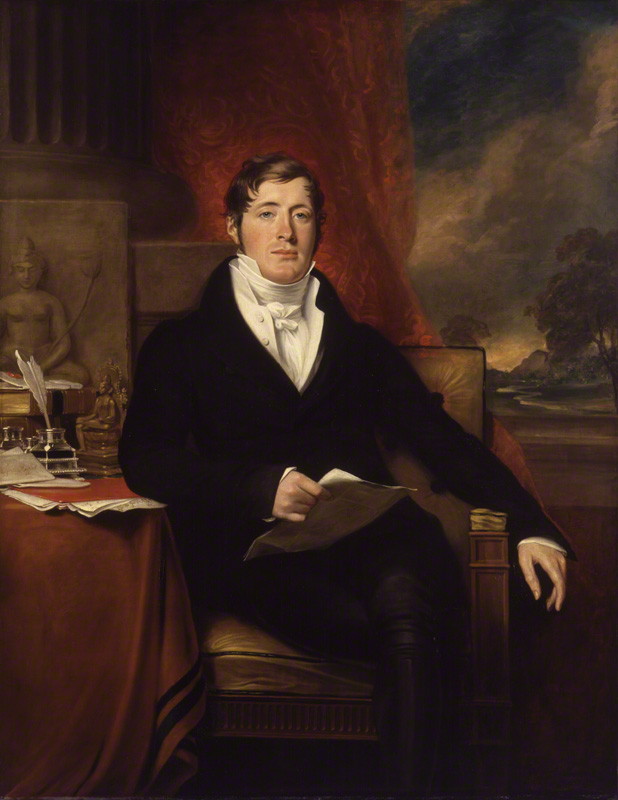
Thomas Stamford Bingley Raffles (5 July 1781 – 5 July 1826), commonly known as Sir Stamford Raffles, was a British statesman and administrator of the East India Company. He is widely credited with establishing the port that grew into the city of Singapore in 1819 and with service as Lieutenant-Governor of Java during the British occupation (1811–1816).
Image gallery
10 Images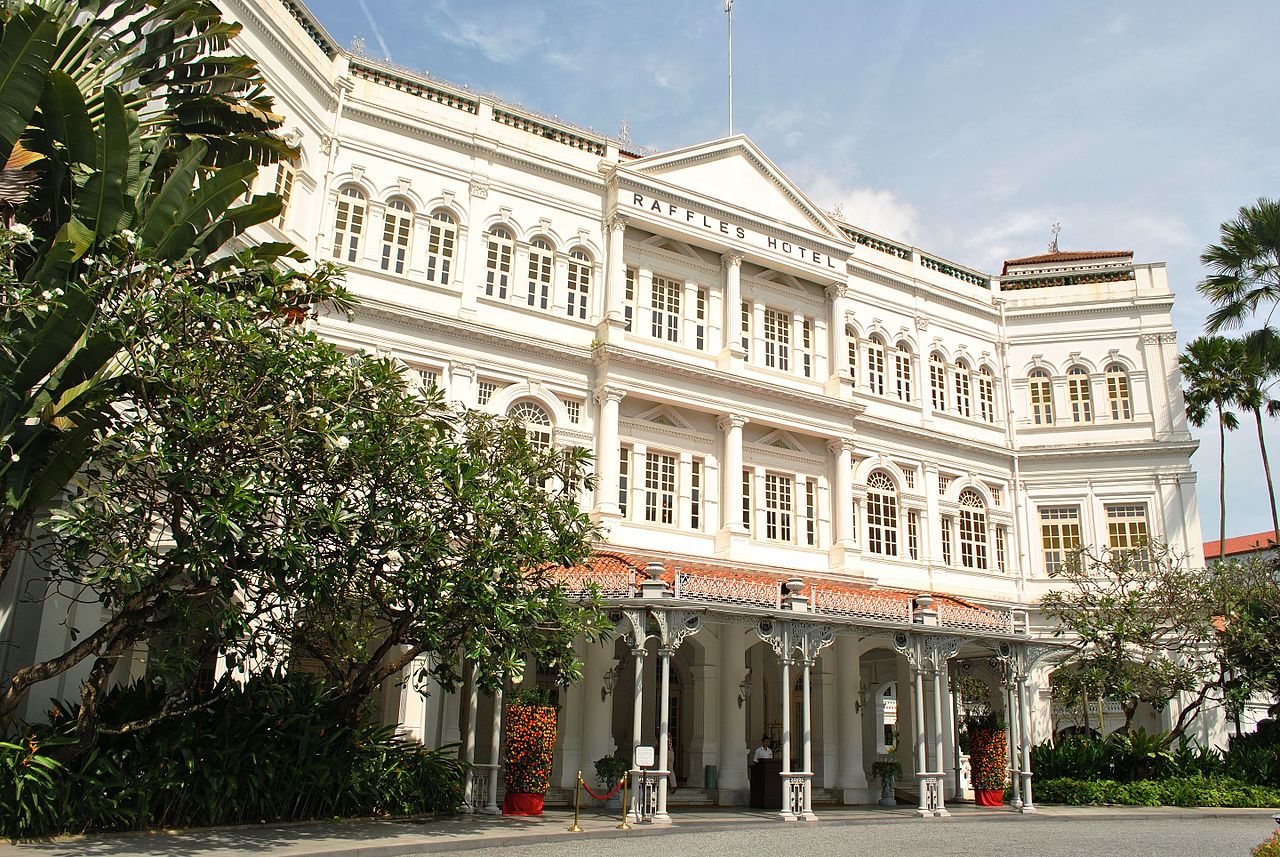




Career and the founding of Singapore
Raffles sought a free port to serve regional trade and to challenge monopolies. In 1819 he negotiated with local rulers to set up a British trading post on the island of Singapore, intended as a base for commerce between the Indian Ocean and the South China Sea. That decision became a foundation for British presence in the region and was later formalized in diplomatic arrangements such as the Anglo-Dutch Treaty that divided colonial spheres in Southeast Asia.
Interests, institutions and natural history
Beyond administration, Raffles promoted education, public institutions and the study of natural history. He founded what became the Raffles Institution in Singapore (1823) and amassed collections of plants and animals. His name survives in plant names and in scholarship about Southeast Asian biodiversity. He was also elected a Fellow of the Royal Society for his contributions to natural science.
Notable roles and achievements
- Administrator with the East India Company and reformer in Java (1811–1816).
- Founder of the Singapore trading post (1819), which evolved into a major port and city.
- Patron of educational and scientific initiatives; associated with botanical discoveries.
- Participant in broader imperial negotiations that reshaped regional control, affecting the British Empire and its rivals.
Legacy and contested memory
Raffles is remembered both for creating the urban and commercial foundations of modern Singapore and for his contributions to natural history and institutions: many landmarks and species bear his name. At the same time, historians note that his actions were part of wider imperial expansion with mixed consequences for local societies. Scholarly biographies and local commemorations continue to debate his motives, methods and long-term impact on the region; for further reading see a general biography.
Related articles
Author
AlegsaOnline.com Stamford Raffles (1781–1826) — Founder of modern Singapore Leandro Alegsa
URL: https://en.alegsaonline.com/art/93293
Sources
- eresources.nlb.sg : Article on Sir Stamford Raffles