
Sondrio — Alpine city and provincial capital in Lombardy, Italy
Sondrio is a northern Italian city in Lombardy, the administrative centre of the Valtellina valley with about 21,790 inhabitants. Known for terraced vineyards, mountain tourism and regional culture.
Overview
Sondrio is a town in northern Italy that serves as the administrative centre of the Valtellina valley and the Province of Sondrio. It lies in the Lombardy region and has a population of about 21,790 inhabitants. For general information see Sondrio and regional context is available via Lombardy.
Image gallery
6 Images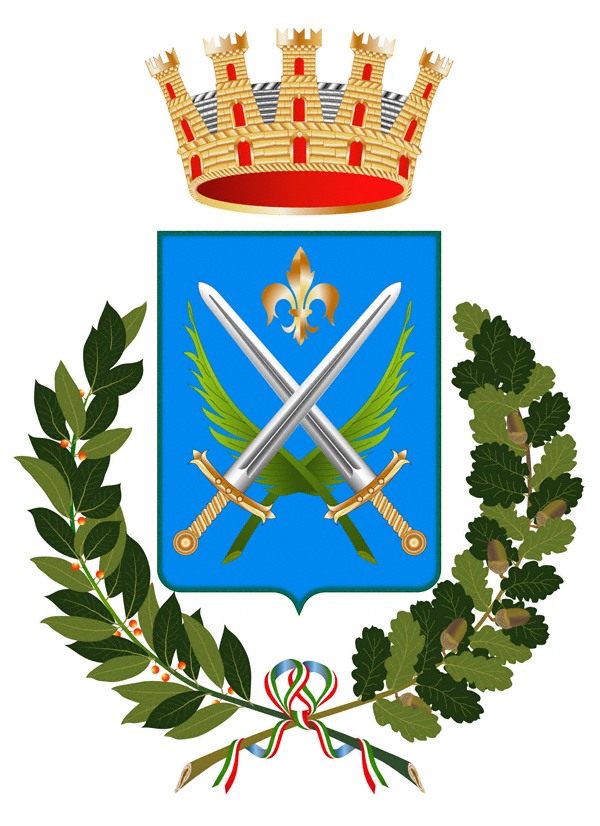


Geography and urban features
The town is situated in an Alpine valley along a river corridor, framed by steep slopes and terraced hillsides. The historic core contains narrow streets and public squares while more modern neighbourhoods spread along transport routes. Surrounding slopes are extensively cultivated with vineyards and orchards adapted to mountain terrain.
History and development
Sondrio grew as a local market and administrative centre in medieval times and expanded gradually with improvements in roads and rail links to the plains. Over centuries it has served as a regional hub for trade, justice and public administration, reflecting the wider political changes of Lombardy without losing a strong local identity.
Economy and culture
The local economy combines administration, small industry, commerce and agriculture. The Valtellina area is noted for its terraced vineyards and distinctive wines, and the town functions as a centre for regional products and cuisine such as cured meats and buckwheat dishes. Cultural life includes municipal institutions, local museums and seasonal festivals celebrating mountain and agricultural traditions.
Transport and tourism
Sondrio is a gateway for alpine recreation. It offers links by road and rail to larger cities and to nearby mountain resorts popular for hiking in summer and skiing in winter. Day trips and short stays are common, with visitors using the town as a base to explore higher valleys and historic mountain towns.
Notable distinctions
As the principal town of Valtellina, Sondrio plays an outsized role in the region's administration, commerce and cultural life. Its combination of valley-floor civic functions and surrounding agricultural terraces gives it a characteristic role distinct from both lowland cities and purely alpine villages.
Related articles
Author
AlegsaOnline.com Sondrio — Alpine city and provincial capital in Lombardy, Italy Leandro Alegsa
URL: https://en.alegsaonline.com/art/91816