
Social control
Social control is the set of norms, institutions, and practices that shape and regulate people's behavior, appearance, thoughts, and feelings within groups and societies.
Overview
Social control is the array of processes and mechanisms through which societies encourage conformity and limit deviance. It includes both informal expectations—customs, peer pressure, family norms—and formal rules such as laws, regulations, and institutional policies. Together these influences guide what people think, feel, wear, and do in social settings and help maintain order and predictability in collective life. Scholars study social control to understand cohesion, conflict, and change within communities and larger political systems.
Image gallery
1 Image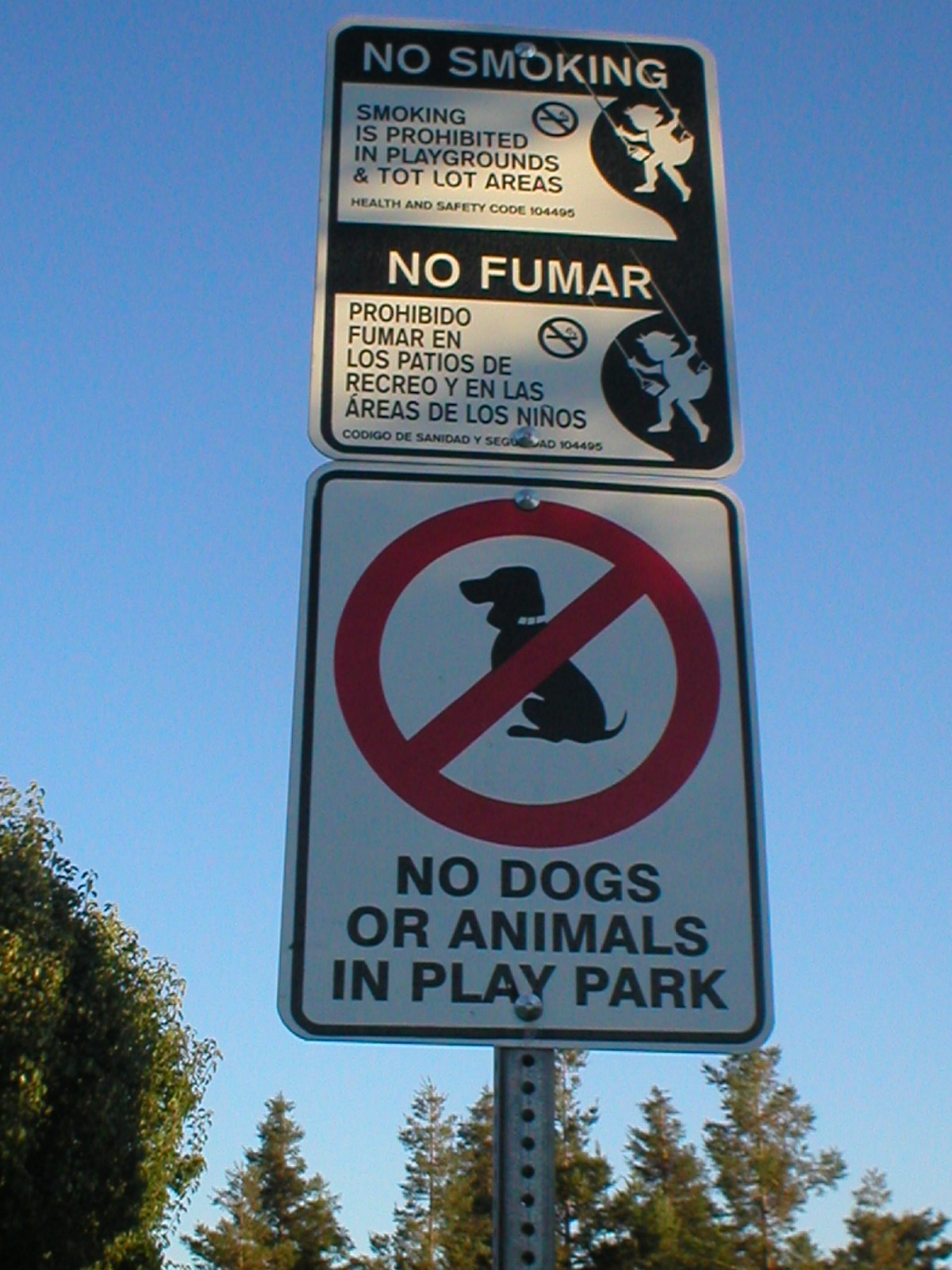
Core mechanisms and examples
Mechanisms of social control range from subtle to overt. Informal controls rely on socialization and reputation, while formal controls use sanctions and official authority. Common mechanisms include:
- Norms and values: shared expectations that shape everyday conduct.
- Sanctions: praise, ridicule, fines, or imprisonment applied in response to behavior.
- Institutions: family, schools, workplaces, and religious organizations that transmit rules.
- Surveillance and monitoring: observation practices that influence behavior, a theme often associated with the panopticon idea.
- Media and discourse: narratives and images that promote particular standards and identities.
History and theoretical perspectives
The concept appears across anthropology, sociology, political theory, and legal studies. Classical sociologists explored how collective conscience and law sustain order. Later thinkers examined how power operates through everyday practices: for example, analyses of disciplinary institutions highlighted how schooling, prisons, and bureaucracies produce conformity. Contemporary work also considers digital surveillance, algorithms, and global institutions as new arenas of social control.
Importance and distinctions
Social control is not synonymous with oppression; it can foster cooperation and public safety but also restrict autonomy and exacerbate inequalities. Distinctions commonly drawn include formal versus informal control and consensual versus coercive forms. It overlaps with but differs from related ideas such as social influence, persuasion, and socialization. For more on how beliefs and emotions are shaped, see thoughts and attitudes, and for broader analyses of institutions and systems consult social systems.
Contemporary issues
Current debates address the balance between individual rights and collective order, the ethics of surveillance and data-driven governance, and how social control operates across global networks. Understanding its mechanisms helps explain public compliance, social movements, and the limits of law in shaping everyday life.
Related articles
Author
AlegsaOnline.com Social control Leandro Alegsa
URL: https://en.alegsaonline.com/art/91414