
Snoring: causes, risks, diagnosis and treatment
Snoring is the sound of airway tissues vibrating during sleep. This article explains why it occurs, common risk factors, health implications, basic diagnosis, and options for reduction or treatment.
Overview
Snoring is the audible vibration produced when airflow is partially obstructed during sleep. The noise arises from soft tissues in the upper airway—most often the soft palate, uvula, back of the throat, tongue base and nasal passages—fluttering as air passes by. Occasional light snoring is common, while louder or chronic snoring can disturb sleep for the person who snores and their bed partner. For a general introduction see related resources.
Image gallery
3 Images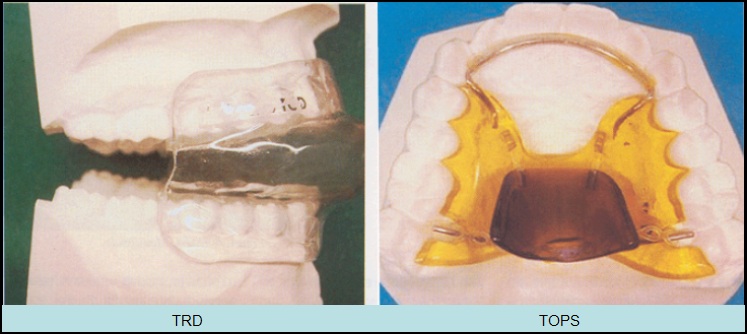


Causes and anatomical factors
Multiple anatomical and lifestyle factors affect whether someone snores. Typical contributors include:
- Airway anatomy: Narrow nasal passages, a long soft palate, large tonsils or excess tissue at the back of the throat.
- Sleep position: Lying on the back tends to let the tongue and soft tissues fall toward the throat, increasing vibration.
- Age and muscle tone: Throat muscles lose tone with age, making vibration more likely.
- Alcohol and sedatives: Substances that relax muscles can worsen snoring.
- Other factors: Nasal congestion, obesity, smoking, and male sex are common risk modifiers.
Health effects and diagnosis
Snoring ranges from a benign annoyance to a sign of obstructive sleep apnea (OSA), a condition in which the airway repeatedly collapses and briefly stops airflow. OSA carries risks such as daytime sleepiness and, over time, may be associated with cardiovascular and metabolic problems. Clinicians evaluate snoring by history, physical examination of the upper airway, and, when OSA is suspected, sleep testing—either an in-lab polysomnogram or a home sleep apnea test.
Treatment and prevention
Management depends on severity and underlying cause. Common measures include:
- Lifestyle changes: weight loss if overweight, avoiding alcohol near bedtime, quitting smoking, and treating nasal congestion.
- Positional therapy: sleeping on the side often reduces back-sleeping-related snoring.
- Devices: nasal dilators, adhesive strips, and oral appliances that advance the lower jaw can help some people.
- Medical and surgical options: continuous positive airway pressure (CPAP) is the standard for OSA; targeted surgeries (for example, procedures on the palate, tonsils, or nasal septum) are reserved for selected cases.
When to seek medical advice and notable distinctions
Seek evaluation when snoring is loud, frequent, disturbing sleep, or when it coexists with gasping, choking, witnessed breathing pauses, or excessive daytime sleepiness—signs that suggest obstructive sleep apnea. It is also important to differentiate simple or primary snoring (no significant breathing pauses) from OSA because treatments and health implications differ. Simple measures such as changing sleep position often help mild snoring, while persistent or alarming symptoms merit professional assessment.
Author
AlegsaOnline.com Snoring: causes, risks, diagnosis and treatment Leandro Alegsa
URL: https://en.alegsaonline.com/art/91330