
Shooting of Trayvon Martin
Fatal shooting of 17-year-old Trayvon Martin in Sanford, Florida (Feb 26, 2012) that led to a high-profile trial, national debate over race, self‑defense laws, and policing in the United States.
Overview
On the night of February 26, 2012, 17-year-old Trayvon Martin was shot and killed in Sanford, Florida. The person who fired the fatal shot was George Zimmerman, a neighborhood watch volunteer. The encounter and its aftermath received intense national and international attention and became a focal point for debates about race, self-defense laws, policing, and community safety in the United States. The location and broader context of the case are often cited in discussions of criminal justice and civil rights (Sanford, Florida, United States).
Image gallery
10 Images
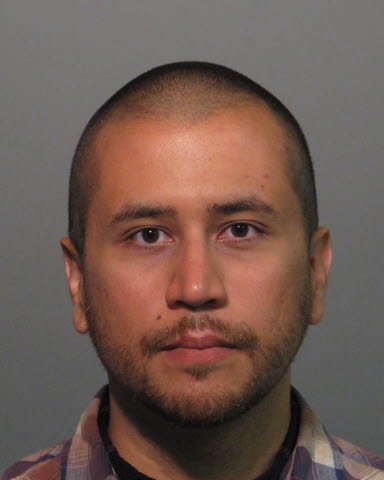
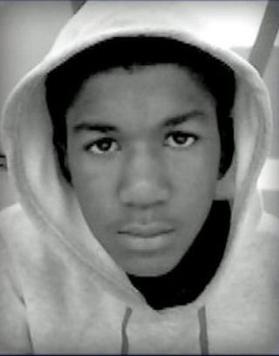


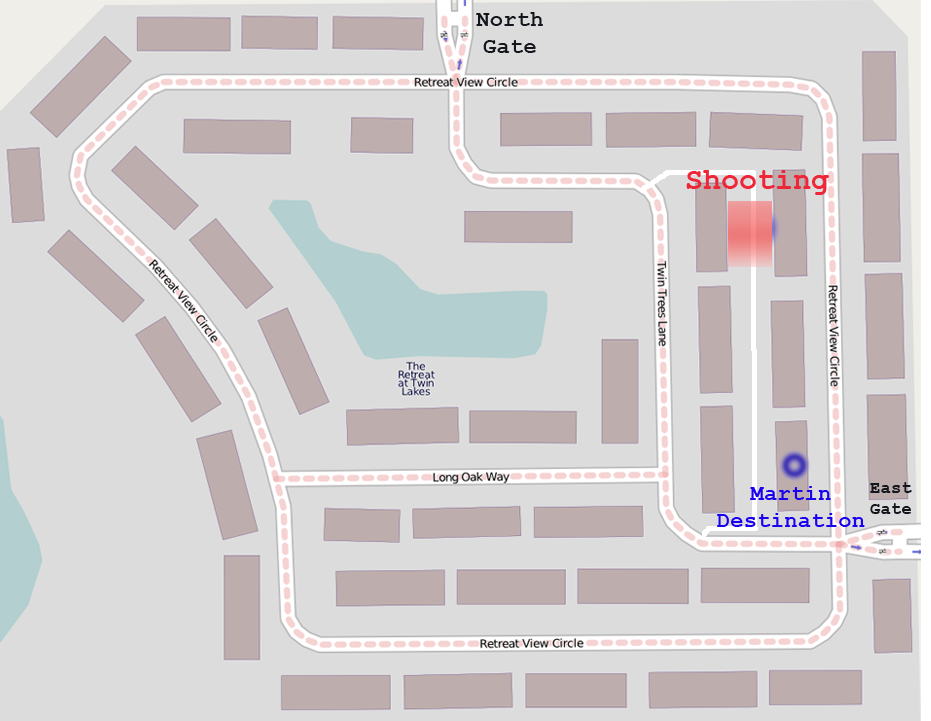
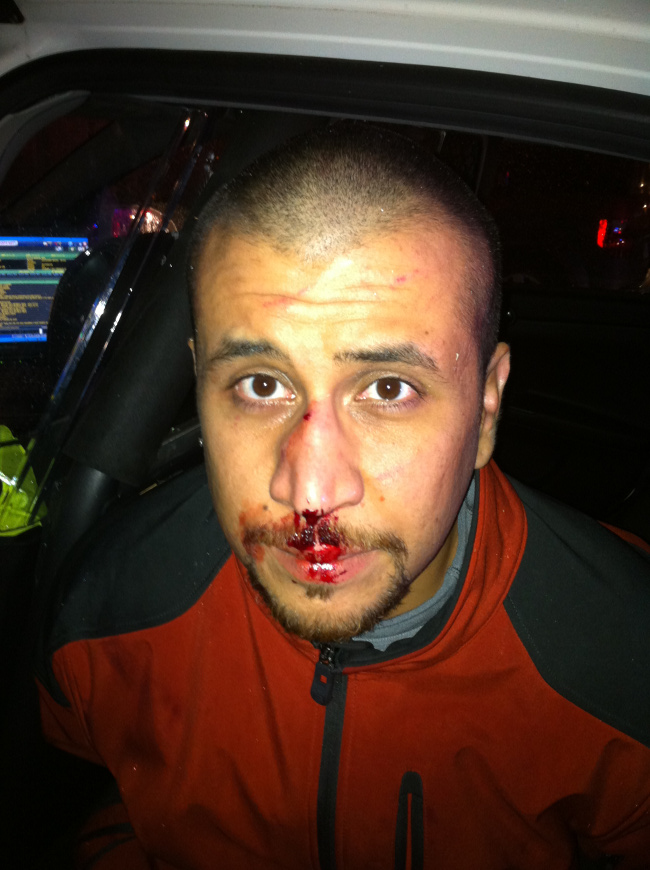

What happened
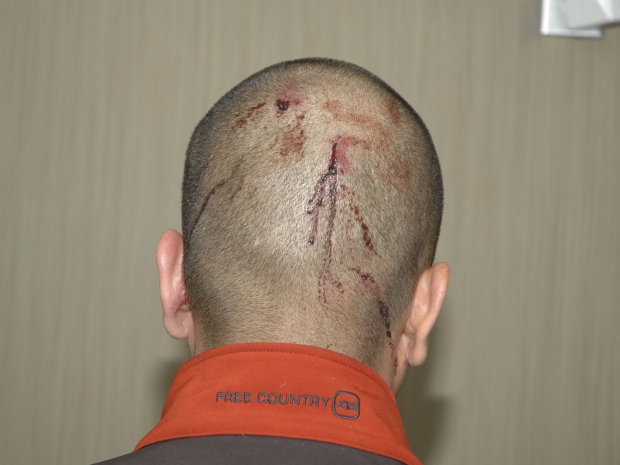
Reports indicate that the two men encountered one another while Zimmerman was on patrol as a community watch volunteer. An altercation followed and Martin was shot. Early investigative and media reports emphasized that Martin was unarmed at the time of the shooting. Initial decisions by law enforcement not to arrest Zimmerman prompted public concern and calls for further review.
Timeline and legal process
- February 26, 2012: Shooting occurred during the encounter.
- Following weeks: Public attention grew as family members and advocates pressed for charges.
- 2013: Zimmerman was charged and stood trial; he asserted self-defense.
- July 2013: A jury returned a verdict of not guilty, an outcome that many observers and commentators discussed widely (verdict coverage).
The trial centered on competing accounts of who initiated the confrontation and whether Zimmerman’s actions met the legal standard for justifiable self-defense under Florida law. The case prompted examination of the state’s self-defense statutes and how they are applied.
Public reaction and significance
The case generated sustained media coverage and public debate (news coverage), in part because it raised broader questions about racial profiling, community policing practices, and the use of firearms. The shooting and the trial helped catalyze conversations and activism around racial justice and policing policies, and it influenced later movements and public discourse about similar incidents.
Notable aspects and legacy
Key points often noted in summaries of the case include the role of neighborhood watch programs in community safety, how evidence and witness testimony are evaluated in criminal trials, and how high-profile incidents can shape legal and political debates. The incident continues to be referenced in discussions about reforms, community relations with law enforcement, and how the criminal justice system addresses allegations of bias and violence.
Questions and answers
Q: Who was Trayvon Martin?
A: Trayvon Martin was a 17-year-old who was killed in Sanford, Florida, United States.
Q: When did the shooting of Trayvon Martin occur?
A: The shooting occurred on the night of February 26, 2012.
Q: Who killed Trayvon Martin?
A: Trayvon Martin was killed by George Zimmerman.
Q: What was George Zimmerman's verdict?
A: George Zimmerman was declared not guilty of manslaughter.
Q: Why has the Trayvon Martin case received a lot of media coverage?
A: The Trayvon Martin case has received a lot of media coverage due to allegations of racial discrimination by George Zimmerman.
Q: What is the main controversy surrounding the Trayvon Martin case?
A: The main controversy surrounding the Trayvon Martin case is whether or not George Zimmerman racially discriminated against Martin.
Q: What is the impact of the Trayvon Martin case?
A: The Trayvon Martin case has sparked conversations about racial discrimination and profiling in the United States, and has led to changes in laws and policies.
Author
AlegsaOnline.com Shooting of Trayvon Martin Leandro Alegsa
URL: https://en.alegsaonline.com/art/89974
Sources
- bbc.co.uk : "Rallies in US over Zimmerman verdict"
- bbc.co.uk : "'Trayvon could have been me' - Obama"
- nytimes.com : "Juror Says Zimmerman 'Got Away With Murder'"
- amazon.com : amazon.com/If-had-Son-Railroading-Zimmerman/dp/1938067215/ref=sr_1_1?ie=UTF8&qid=13777241…
- latimes.com : "George Zimmerman arrested after police respond to disturbance call"
- tmz.com : "George Zimmerman ARRESTED -- GF Calls 911, 'He Pulled A Gun On Me!'"
- edition.cnn.com : "George Zimmerman charged with aggravated assault at girlfriend's home - CNN"
- theguardian.com : "Trayvon Martin's mother testifies against stand-your-ground laws"
- america.aljazeera.com : "Sanford bans guns for neighborhood watch after Trayvon Martin shooting"