
Sheikh: Arabic Honorific for Elders, Religious Leaders, and Tribal Chiefs
Overview of the Arabic honorific sheikh (literally elder), used for tribal chiefs, community elders, religious teachers and Sufi leaders; explains spelling variants, the feminine form and regional uses.
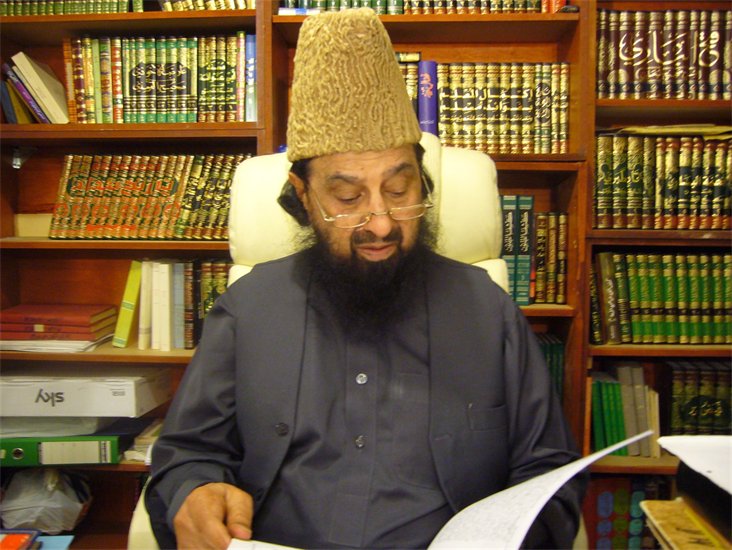
Sheikh (also rendered in English as Sheik, Shaikh, Shaykh, or Shekh) is an honorific title originating in the Arabic language. The word literally means "elder" and is applied to a variety of respected figures — from community elders and tribal chiefs to religious teachers and leaders of Sufi orders. In many contexts it denotes authority, seniority, or learned status rather than a single fixed office.
Image gallery
4 Images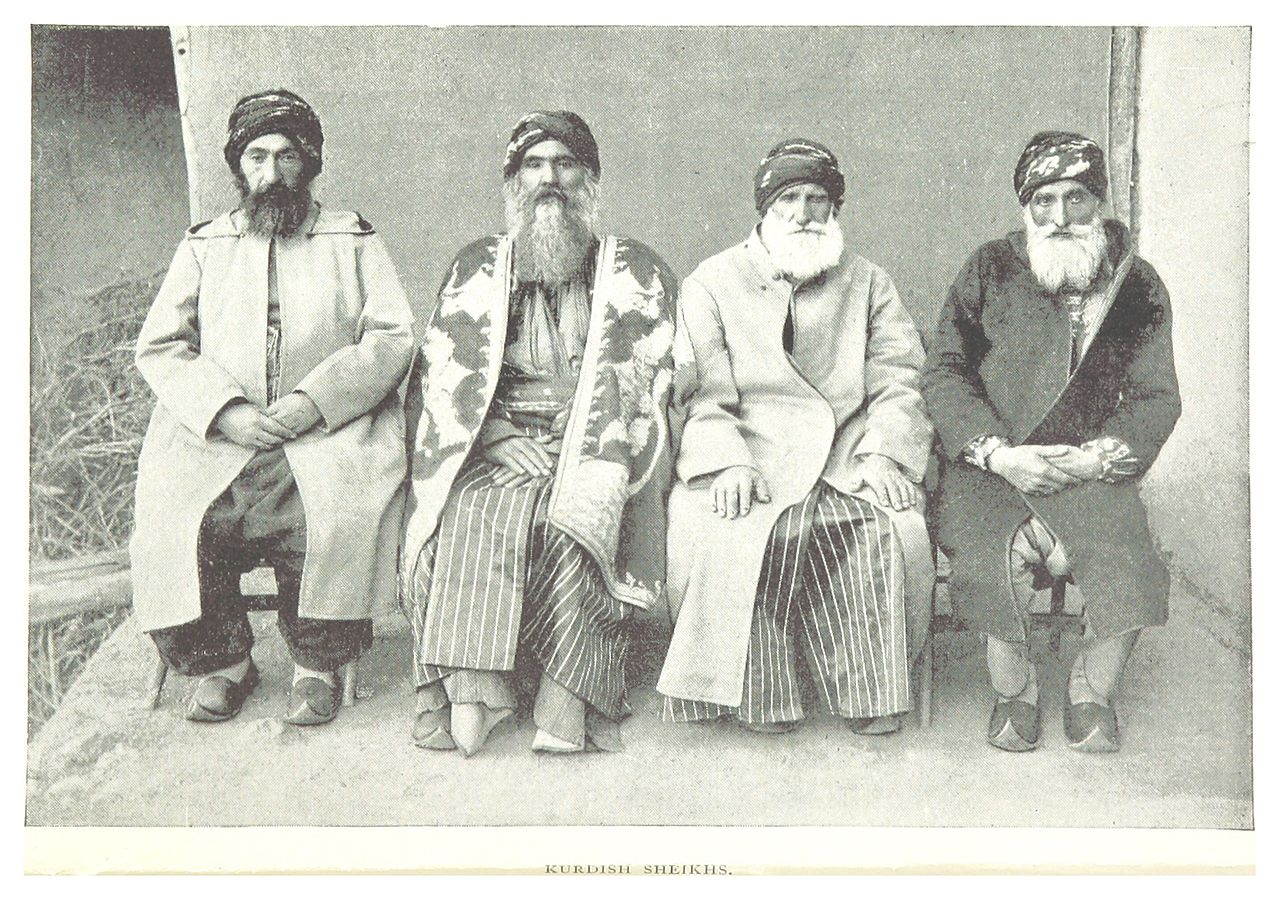


Common uses
- Tribal and local leadership: the title is frequently given to the head of a tribe or to a prominent elder who represents a family or community.
- Religious and educational roles: teachers, graduates of traditional Islamic seminaries, and Sufi guides are often addressed as sheikh in recognition of their learning or spiritual authority.
- Honorific for elders: by custom it can be used for older, respected men; historically this often applied to persons perceived as being in middle age or beyond.
- Political and social prestige: in some Gulf states and other Arab societies the title is associated with ruling families and may be used formally by members of those households.
Feminine form and regional differences
The feminine equivalent is sheikha (or Sheikha). Use of the female form varies by region: it is commonly used for women of ruling families or women holding a social rank parallel to a male sheikh in several Gulf countries, while in other areas it may be less common.
Related terms
Arabic contains other words for respected qualities and offices. For example, ḥakīm (often translated as "wise" or "sage") describes a person regarded for wisdom; historically it has also been used for judges, physicians, and occasionally rulers, depending on context.
Spelling and pronunciation
Transliterations vary because Arabic has sounds and letters that do not map exactly to English. The spelling "sheikh" is widely used in English publications, but "shaykh" more closely reflects the Arabic pronunciation. Choice of spelling is largely a matter of convention.
Author
AlegsaOnline.com Sheikh: Arabic Honorific for Elders, Religious Leaders, and Tribal Chiefs Leandro Alegsa
URL: https://en.alegsaonline.com/art/89596
Sources
- islamic-dictionary.com : The Islamic Dictionary online, 'Sheikh'
- al-baz.com : About the Sheikh