
Bar-sur-Aube — commune in the Aube department and Champagne region
Bar-sur-Aube is a river town in the Aube department of northeastern France, known for its medieval quarter, role in the Champagne wine area (Côte des Bar), and its Napoleonic-era history.
Overview
Bar-sur-Aube is a small French commune situated on the banks of the Aube river in the Aube area. Administratively it lies within the département commonly associated with the historic Champagne province and the modern Grand Est region of France. The town functions as a local service and market centre for surrounding villages and vineyards.
Image gallery
10 Images





Geography and features
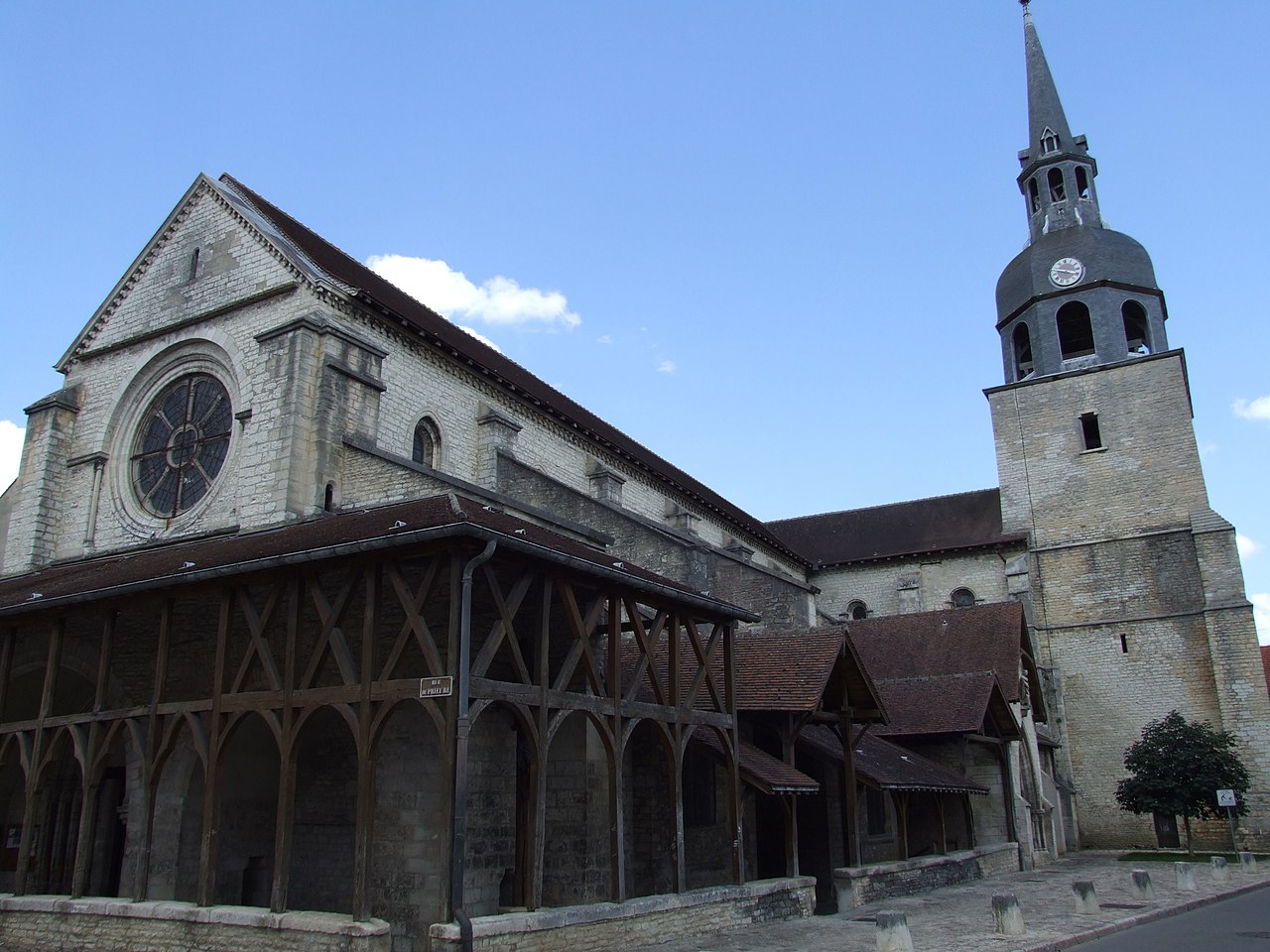
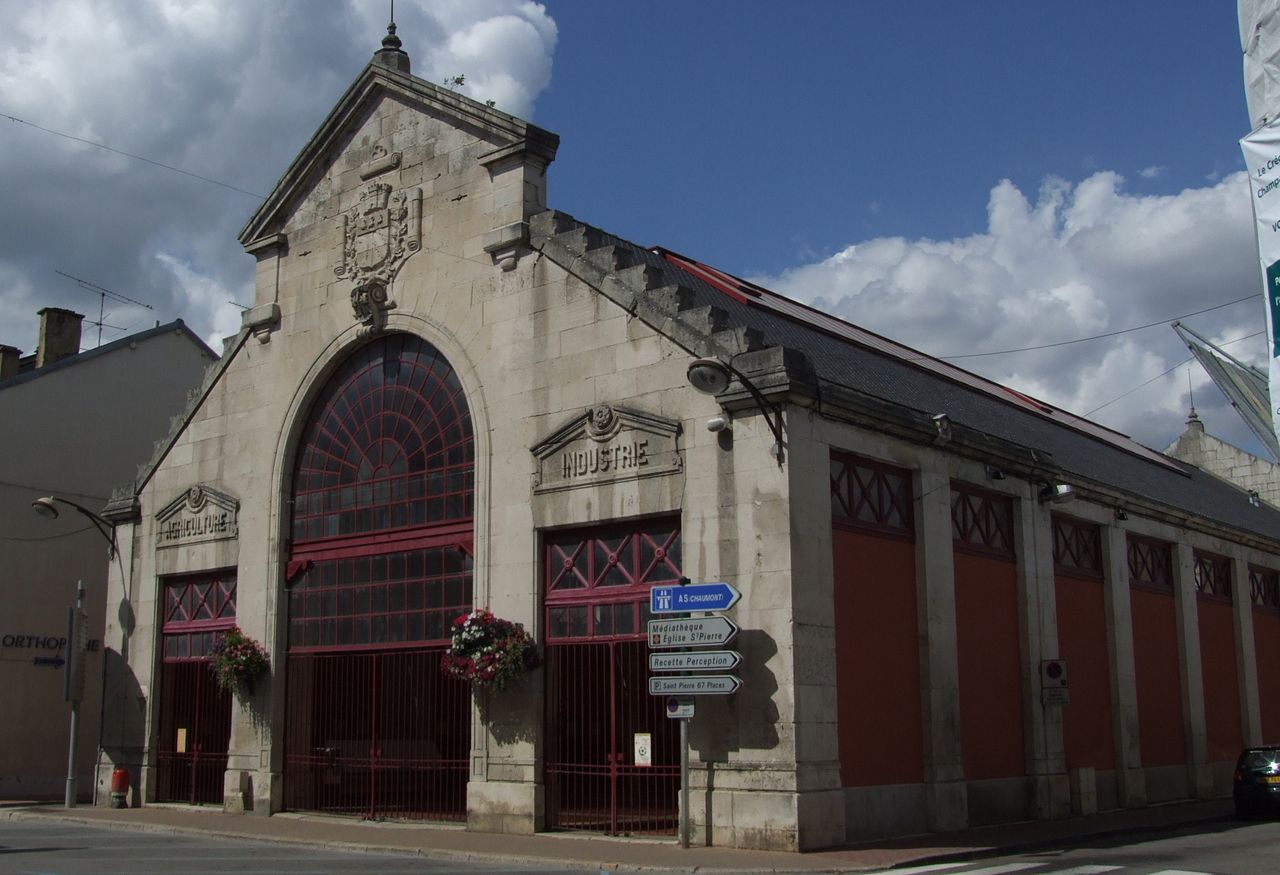
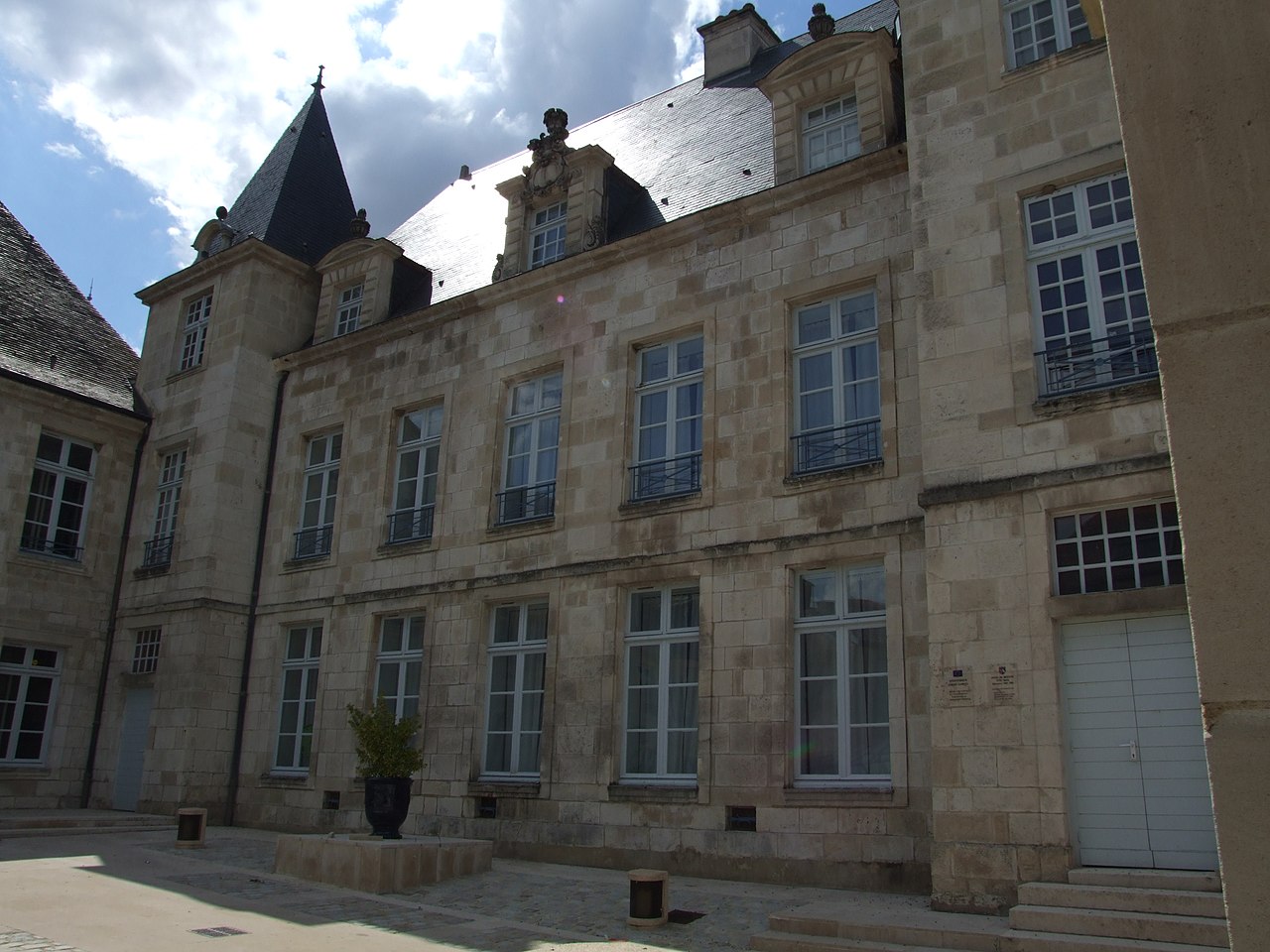
The town occupies a river valley setting with narrow streets, historic buildings and riverside quays. Surrounding slopes and plains support mixed agriculture and extensive vineyards that belong to the southern part of the Champagne appellation known locally as the Côte des Bar. Typical features of the urban core include masonry churches, timber-framed houses and a compact historic centre that reflects long-term settlement along the Aube.
History and development
Bar-sur-Aube has medieval origins and developed as a river crossing and market hub. Its position on a navigable tributary made it important for trade in earlier centuries. The area is also remembered for military events during the Napoleonic Wars, notably actions in 1814 when allied and French forces clashed in the region. Over time the town evolved from a primarily agrarian market town into a locality that balances agriculture, viticulture and small-scale commerce.
Economy, viticulture and culture
Viticulture is a significant element of the local economy: the Côte des Bar produces grapes for Champagne and smaller local wineries and cooperatives are common. Agriculture, food-processing and services that support tourism and local residents are other important sectors. The town hosts markets, fairs and seasonal cultural events that attract visitors interested in regional food, wine and rural heritage.
Notable facts and visiting
- Bar-sur-Aube provides access to Champagne routes and vineyard visits, making it useful as a base for wine tourism.
- The riverside setting and preserved historic centre give a clear sense of the town's medieval and early modern character.
- Local museums, small galleries and interpretive panels often explain the town's past and its role within the wider Aube territory.
For those researching administrative details, local services or planning a visit, municipal information and tourism offices can supply maps, event calendars and guidance to nearby Champagne houses and historical sites.
Related articles
Author
AlegsaOnline.com Bar-sur-Aube — commune in the Aube department and Champagne region Leandro Alegsa
URL: https://en.alegsaonline.com/art/8837