
Sardis — Ancient Capital of Lydia and Major Persian Satrapal City
Sardis, near modern Sart in Turkey, was the capital of ancient Lydia, later a prominent Achaemenid satrapal center and a significant Hellenistic, Roman and Byzantine city known for its citadel, Temple of Artemis and early coinage.
Overview
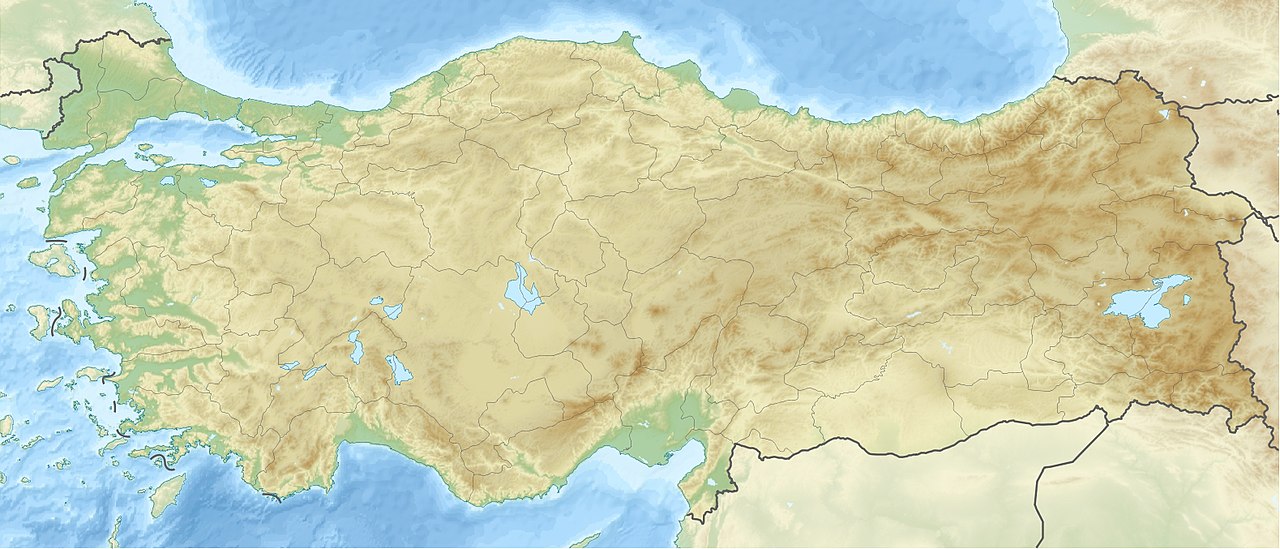
Sardis (ancient Greek Sardis; modern Sart) lies on the slopes above the Gediz valley in western Anatolia, in Turkey's Manisa Province. It was the principal city of the kingdom of Lydia and later an important administrative centre under the Achaemenid Persian Empire. Over many centuries Sardis retained regional prominence through Hellenistic, Roman and Byzantine periods before a gradual decline in the medieval era.
Image gallery
10 Images


Principal monuments
The archaeological site divides into an acropolis on a rocky outcrop and a lower city across a slope. Notable remains include the citadel, the monumental Temple of Artemis, a large Roman gymnasium and bath complex, an expansive agora, strong fortification walls and the remains of a substantial synagogue from the Roman period. Nearby tumuli and necropoleis attest to Lydian burial practices.
History
Sardis rose to prominence as the Lydian capital, traditionally associated with the wealthy king Croesus. In the mid 6th century BCE the Lydian kingdom fell to the expanding Achaemenid Empire and Sardis served as a satrapal centre and military base. It appears in accounts of the Ionian Revolt and later was taken by Alexander the Great during his Anatolian campaign. Under Roman rule Sardis remained an important urban and religious centre and later formed part of the Byzantine provincial network.
Economy and culture
Sardis occupied a strategic position on land routes linking the Aegean coast to the interior and lay on or near the famous Royal Road. The city is closely associated with the introduction of coinage in the ancient world: small electrum pieces attributed to Lydian authorities are among the earliest known coins. Sardis was a multicultural hub where Lydian, Greek, Persian, Jewish and Roman communities interacted over many centuries.
Archaeology and preservation
Systematic excavations in the 19th and 20th centuries, continued by teams from Turkey and international institutions, have exposed major public buildings, streets, domestic quarters and fortifications. Finds such as architectural sculpture, inscriptions, mosaics and coins illuminate Sardis's long urban history. Today the site is an archaeological park and an important resource for the study of ancient western Anatolia and Mediterranean connectivity.
Related articles
Author
AlegsaOnline.com Sardis — Ancient Capital of Lydia and Major Persian Satrapal City Leandro Alegsa
URL: https://en.alegsaonline.com/art/87346