
Sanilhac — commune in the Ardèche department of southern France
Sanilhac is a rural commune in the Ardèche department of southern France. This article outlines its setting, character, history, local economy, and what visitors might expect.
Sanilhac is a small commune in the Ardèche department in southern France. Situated within the varied landscapes of the region, it forms part of the network of communes that shape rural life in this part of the country. As a territorial unit it is governed by a municipal council and mayor and participates in intercommunal cooperation typical of French local government (commune).
Image gallery
1 Image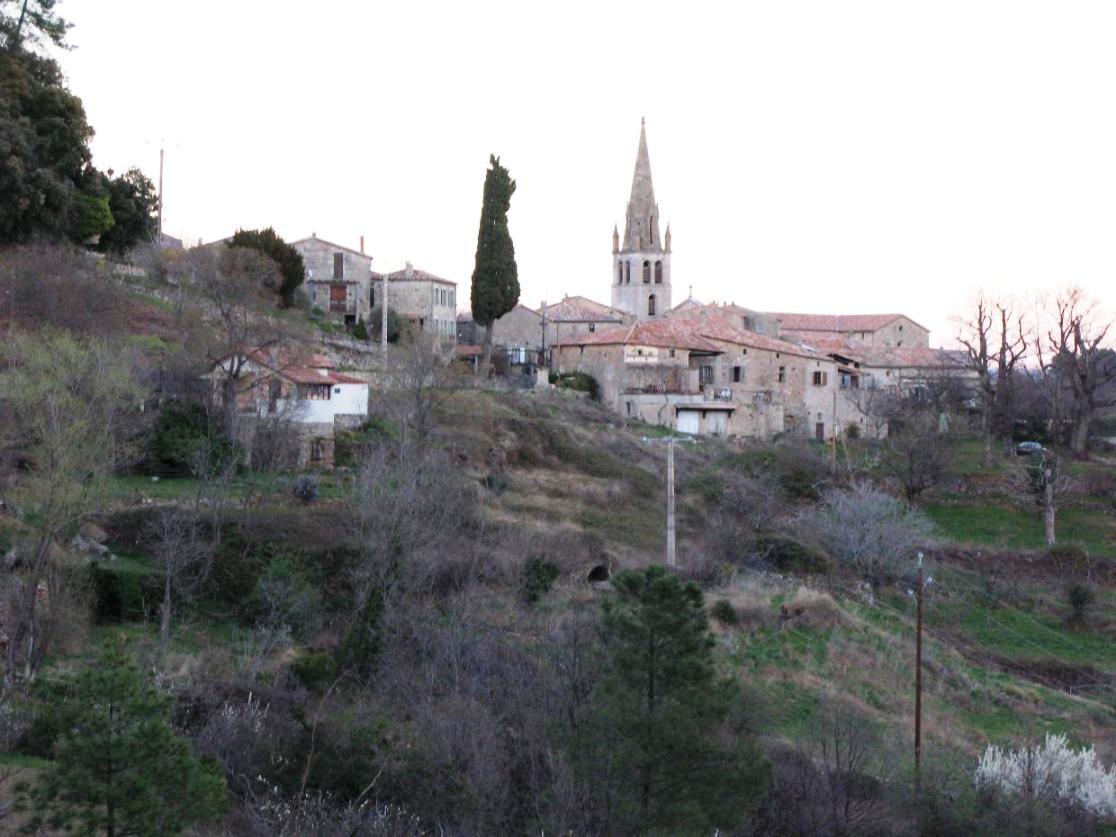
Characteristics and setting
The commune is set amid hills, valleys and agricultural land characteristic of Ardèche. Local built features commonly include a compact village core, a parish church of regional style, stone houses, and lanes that link hamlets and farms. Natural elements such as small rivers, woodlands and cultivated terraces influence land use and leisure opportunities (Ardèche department).
History and development
Like many settlements in the region, Sanilhac’s origins are rooted in medieval rural patterns, with development shaped by agriculture, local trade and the historic parish system. Over time, advances in transport and changes in farming practices have altered demographics and economic life, while heritage buildings and landscape features preserve a visible connection to the past.
Economy, daily life and uses
The local economy is typically mixed: small-scale farming, artisan activity, local services and tourism-related services all contribute. Residents often combine agricultural work with commuting to nearby towns. Visitors seek a quiet countryside experience and local produce; the commune may participate in regional festivals and markets that showcase Ardèche products (local information).
Visiting and notable facts
Sanilhac offers walking routes, scenic viewpoints and the chance to explore traditional rural architecture. Nearby natural attractions and cultural sites in the Ardèche region make it a convenient base for day trips. For administrative details, practical visitor information and contacts, consult official municipal or departmental resources (more details).
Overall, Sanilhac exemplifies a small, historically layered commune in southern France: its appeal lies in landscape, local culture and a slower pace of life that is representative of rural Ardèche.
Related articles
Author
AlegsaOnline.com Sanilhac — commune in the Ardèche department of southern France Leandro Alegsa
URL: https://en.alegsaonline.com/art/87042