
Bandama River: Ivory Coast’s principal watercourse
Overview of the Bandama River, the longest river in Ivory Coast, covering its course, features, reservoirs, ecological and economic roles, and notable facts.

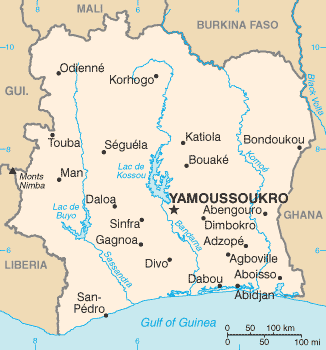
The Bandama River is the longest river in the Ivory Coast and one of the country’s most important inland waterways. Stretching roughly 800 km, it drains a large portion of central and southern Ivory Coast and plays a central role in regional hydrology, agriculture and local transport.
Image gallery
2 Images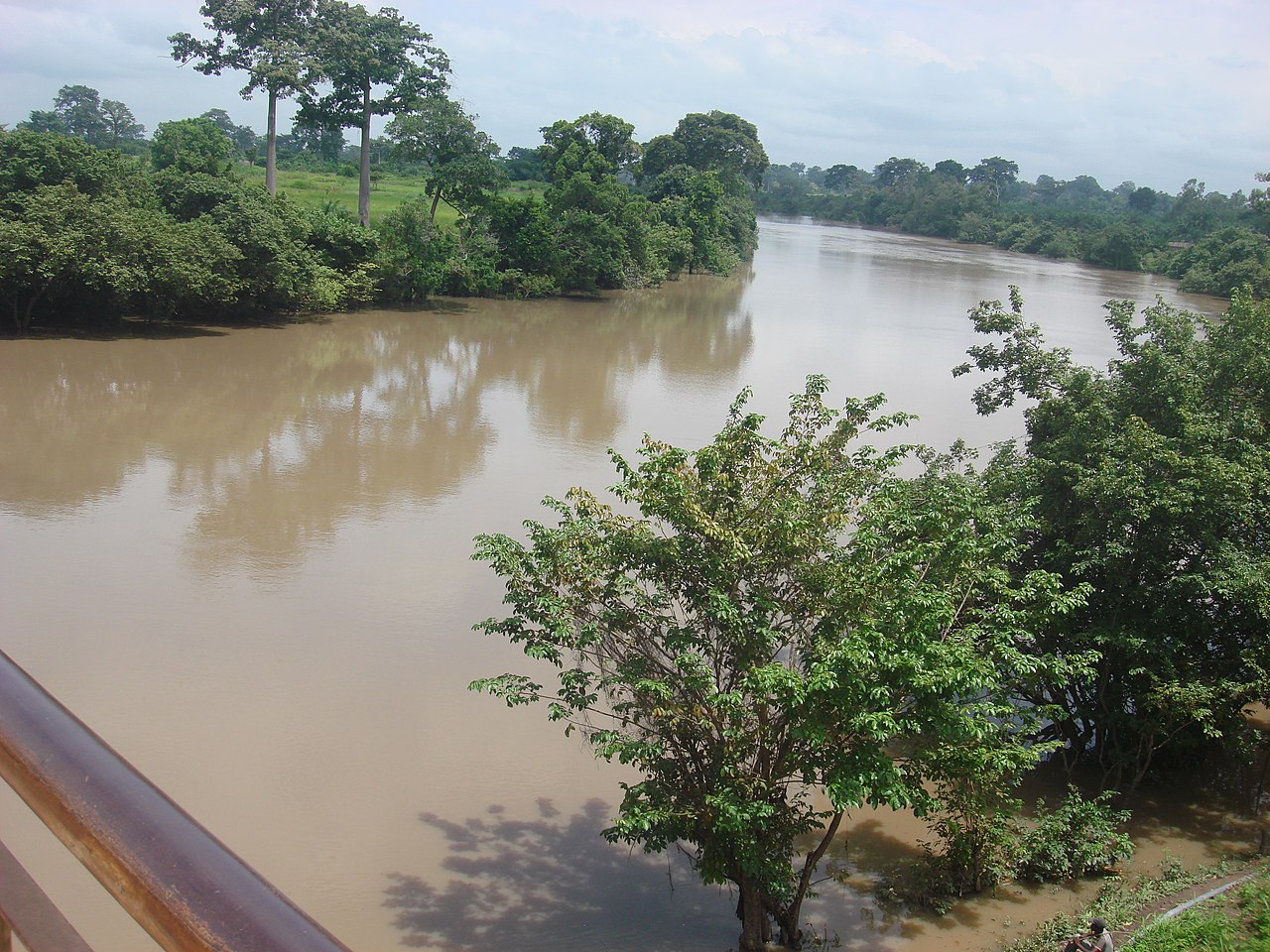
Physical characteristics and course
The Bandama rises in the interior highlands and flows generally southward toward the Gulf of Guinea, fed by multiple tributaries and seasonal streams. Along its route the river spreads into broad floodplains and forms sizeable reservoirs behind major dams. These impoundments alter seasonal flows and create freshwater lakes that are used for multiple purposes.
Human uses and infrastructure
Several dams on the Bandama produce hydroelectric power and create reservoirs that support irrigation, fisheries and local water supply. The reservoirs also moderate downstream floods and have become focal points for fishing communities and small-scale agriculture. The river corridor links inland towns and contributes to regional commerce.
Environment and ecology
- Supports wetland and riparian habitats that are important for fish, waterbirds and other wildlife.
- Reservoirs and floodplains sustain artisanal fisheries and seasonal rice cultivation.
- Seasonal fluctuations in flow influence sediment transport and the health of downstream lagoons and coastal estuaries.
Beyond its practical functions, the Bandama has cultural and historical significance for communities along its banks. It is widely recognized as the country’s principal river system and is often mentioned in discussions of national water resources and development planning. For an overview of major rivers, see longest rivers studies and national hydrology resources.
Author
AlegsaOnline.com Bandama River: Ivory Coast’s principal watercourse Leandro Alegsa
URL: https://en.alegsaonline.com/art/8682