
RT (Russia Today): Russian state-funded international television network
RT (Russia Today) is a state-funded international broadcasting network based in Moscow offering news, analysis and opinion programming in several languages; it has wide reach and controversial reception.
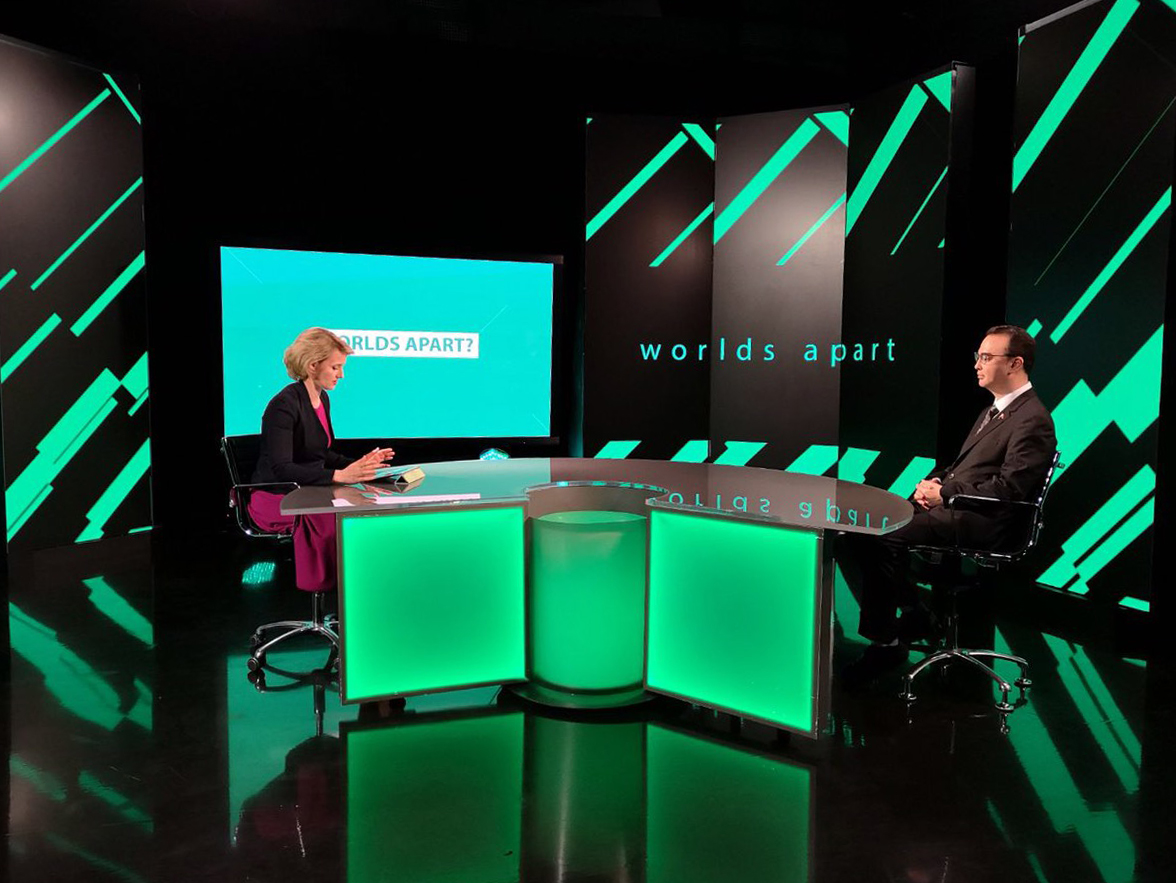
RT, originally launched as "Russia Today" in 2005, is a Russian state-funded international television network and online news service. Headquartered in Moscow, Russia, RT produces round-the-clock television programming and a large online presence aimed at international audiences. The network presents news, interviews, documentaries and talk shows with a focus on perspectives that its editors say are underrepresented in Western media.
Image gallery
10 Images





Structure and programming
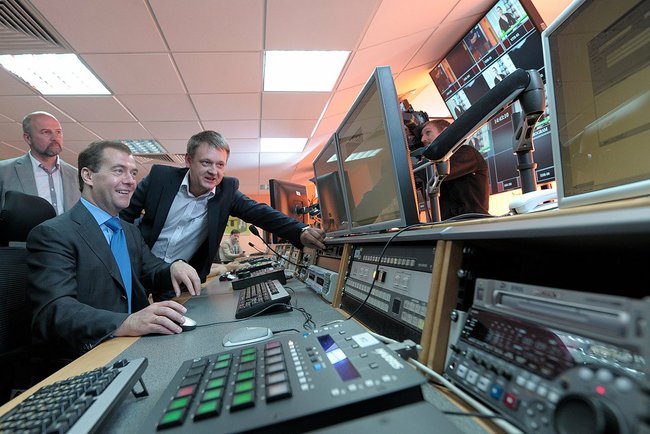
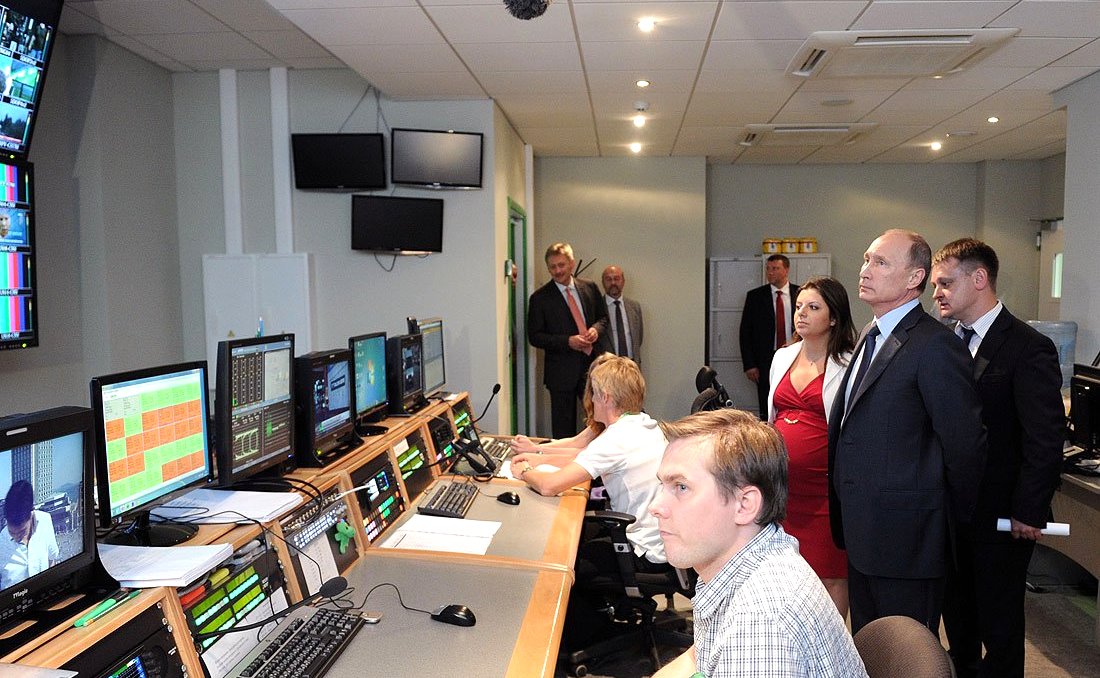
RT operates multiple language services and distributes content by satellite, cable and over the internet. Its output typically includes:
- Continuous news bulletins and live reporting.
- Analytical talk shows and opinion-led commentary.
- Documentary and feature films covering global politics and culture.
- Investigative segments and long-form interviews.
The network mixes straight news formats with hosts and programs that express distinct editorial viewpoints. RT has invested heavily in online video platforms, social media and branded programming to reach audiences outside traditional broadcast markets.
History and development
Established by a Russian media organization in the mid-2000s, RT expanded rapidly from an English-language channel into a multi-language international broadcaster. It positioned itself as an alternative source of international news, emphasizing stories and angles that challenge mainstream Western coverage. Over time RT has grown into a recognizable global brand with distribution in many regions.
Reception and controversies
RT's editorial independence and role have been subjects of sustained debate. Many journalists, scholars and government regulators have described the network as an instrument of Russian state policy, accusing it of promoting pro-Kremlin narratives and, at times, misinformation. Independent fact-checkers and media watchdogs have flagged specific reports for inaccuracies or biased framing. Following geopolitical events, RT has faced restrictions, removal from some platforms, and regulatory actions in several countries; these steps and RT's responses are part of an ongoing international conversation about state-funded media and information security.
Audience and significance
RT claims a substantial international audience and has sought to influence debates by offering alternative viewpoints and controversial programming. Its prominence has made it a frequent example in discussions about the role of state-funded broadcasters, media pluralism, and the spread of disinformation. For researchers and media consumers, RT illustrates the complexities of modern global news: audience reach, digital distribution, editorial stance and political context all shape how information is produced and received.
For more background and coverage related to RT, see additional resources and media analyses.
Related articles
Author
AlegsaOnline.com RT (Russia Today): Russian state-funded international television network Leandro Alegsa
URL: https://en.alegsaonline.com/art/84821