
Rovigo — provincial capital in the Polesine plain, Veneto, Italy
Rovigo is a small Italian city in the Veneto region and the capital of its province, located in the low-lying Polesine between the Po and Adige rivers; population roughly 50,000.
Rovigo is an Italian city and the administrative centre of the Province of Rovigo in the Veneto region. It lies in the low-lying agricultural area known as the Polesine, between major waterways, and has a population of roughly 50,000 inhabitants (about 50,883 by some estimates). For municipal information see official city sources.
Image gallery
8 Images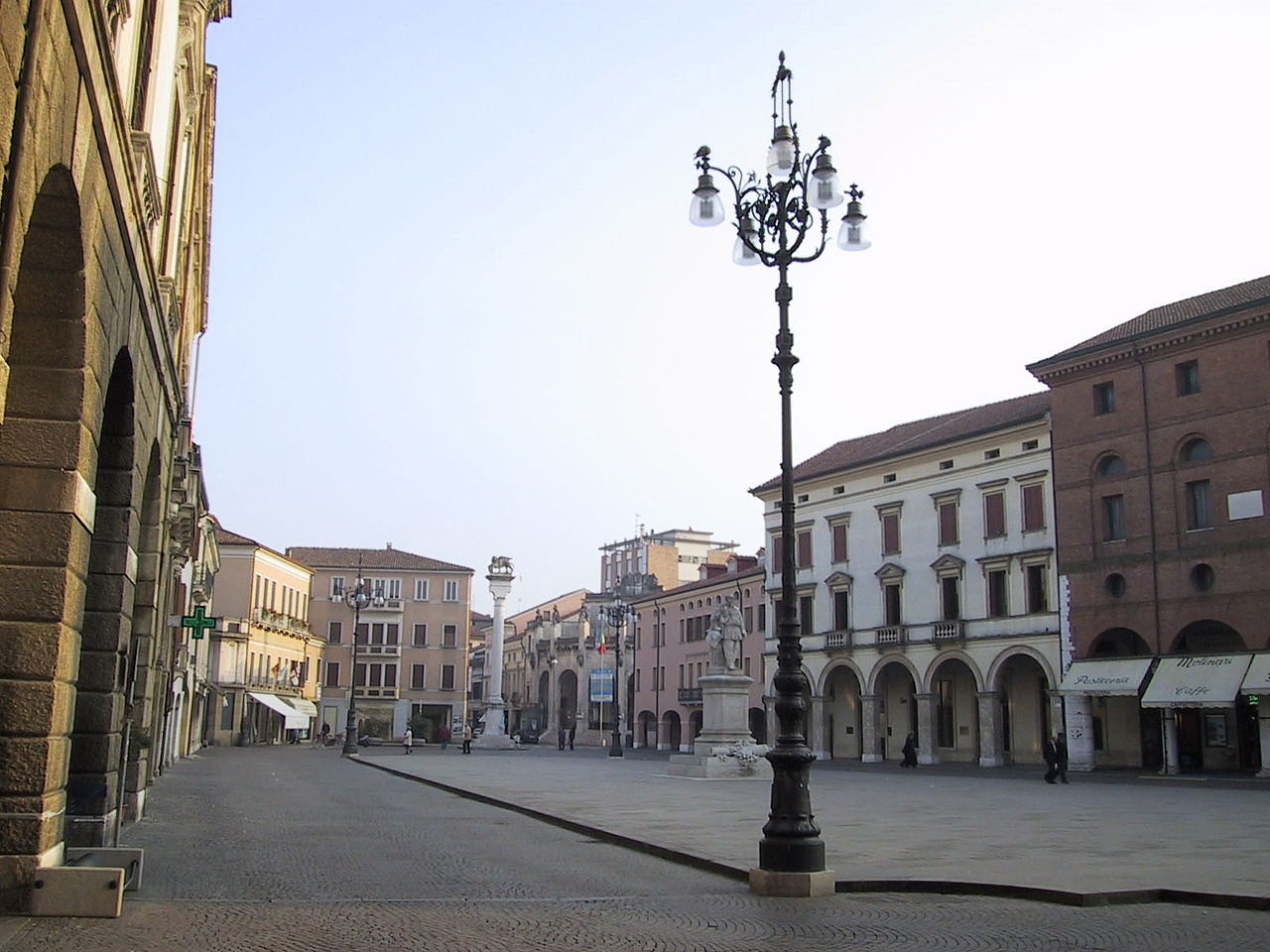


Geography and environment
Rovigo occupies flat terrain of the Po river delta and nearby floodplains, where river management and land reclamation have shaped the landscape for centuries. The surrounding countryside is largely farmland, and drainage, dikes and irrigation remain important for local life and economy. Regional connections to Padua, Venice and Ferrara link the city to larger urban centres and markets; for transport and regional data consult province and regional pages.
History and development
The site has roots that reach back to the medieval and early modern periods, when fortified settlements and river trade influenced its growth. Over time Rovigo became the chief town of its province, absorbing administrative, commercial and cultural roles. It spent long periods under the influence of the Venetian Republic and experienced typical northern-Italian patterns of urban development including Renaissance and later civic building projects.
Culture, economy and society
Rovigo functions as a local service and administrative hub. Agriculture in the surrounding plain — cereals, horticulture and intensive cultivation adapted to the wetlands — remains significant, while small industry, commerce and public services occupy the urban economy. The city maintains cultural institutions such as theatres, museums and galleries and preserves local traditions and dialectal forms linked to the Veneto and Polesine heritage.
Main sights and points of interest
- Rovigo Cathedral (Duomo), the principal church in the town centre, with architectural phases reflecting different eras.
- Palazzo Roverella, known today for art and exhibitions and for its Renaissance architectural features.
- Civic tower and historic churches clustered in the compact old town.
- Nearby Palladian heritage such as Villa Badoer at Fratta Polesine, illustrating the wider historical landscape.
Visitors typically combine Rovigo with excursions into the Po delta and other Veneto destinations. For demographics and statistical information see official statistics. The city is notable as a regional capital with a quiet urban character, shaped by rivers, agriculture and a long civic history.
Related articles
Author
AlegsaOnline.com Rovigo — provincial capital in the Polesine plain, Veneto, Italy Leandro Alegsa
URL: https://en.alegsaonline.com/art/84380