
Roseau — Capital and principal city of Dominica
Roseau, on the west coast of Dominica, is the island's oldest and main urban centre. This article covers its geography, history, economy, institutions and cultural significance.
Overview
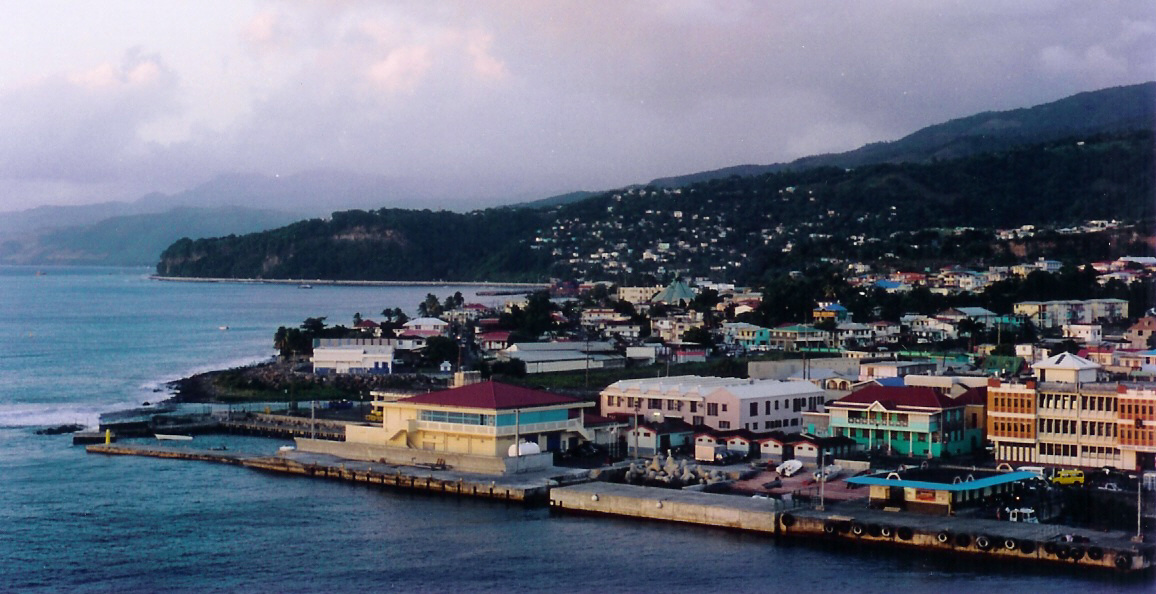
Roseau is the capital and largest urban centre of the Commonwealth of Dominica, located on the island's western, leeward shoreline. It is a compact city of just over fourteen thousand residents according to the 2011 census, and functions as the political, commercial and cultural heart of the nation. The city combines elements of modern development with surviving colonial-era architecture and a tightly arranged street pattern in its historic core.
Image gallery
10 Images




Geography and urban form
Roseau occupies a narrow coastal plain at the mouth of the Roseau River and is enclosed on one side by Morne Bruce, a modest hill that overlooks the harbour. The city's coastal position on the Caribbean Sea shapes its climate, trade access and urban growth. Space is constrained by the surrounding hills and waterways, so the settlement is relatively dense and oriented toward the waterfront and main thoroughfares.
History and development
The site of Roseau was occupied before European arrival by the Island Caribs, who knew the place as Sairi. After colonisation, the settlement grew into Dominica's principal town and administrative centre. Over centuries it received both French and British influence, which is reflected in the city layout, language patterns and surviving buildings. Roseau has evolved from a colonial port town into the principal public and commercial hub of a modern independent state.
Economy and institutions
Roseau serves as Dominica's main port for imports and exports and is the focal point for the nation's service economy. Agricultural products that pass through or are associated with the area include bananas, bay oil, citrus fruits such as grapefruit and oranges, vegetables and cocoa. The city also hosts many government departments, financial services and tourism-related businesses.
- Typical exports and agricultural goods: bananas, cocoa, bay oil, citrus, vegetables
- Major local sectors: public administration, retail trade, shipping and tourism
Several higher education and professional institutions have been registered in Dominica and maintain a presence or association with Roseau, contributing to the local service sector and international connections.
Culture, religion and notable features
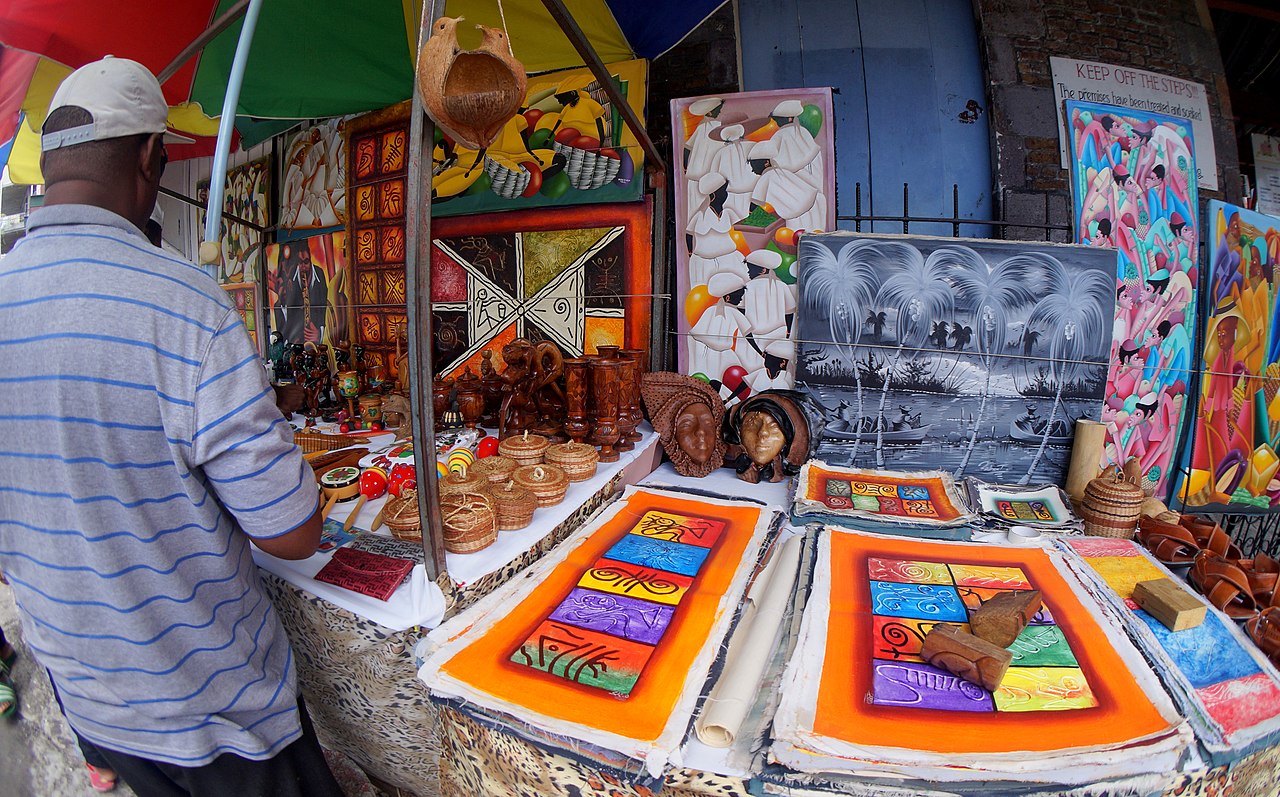
Roseau is the island's cultural centre, with markets, festivals and civic events that reflect Dominica's diverse heritage. The Roman Catholic Diocese of Roseau is a prominent religious institution in the city and serves much of the island's Catholic community. The built environment includes a mixture of colonial-era French architecture and more recent construction, and the compact historic district is notable for its narrow streets and colourful façades.
Transport and significance
As the main port and administrative capital, Roseau is a gateway for visitors arriving by sea and a hub for domestic transport. Its geographic constraints limit outward expansion, encouraging denser land use and a focus on services and commerce rather than large-scale industrial development. The city remains central to Dominica's national life—politically, economically and culturally.
For more general context see capital city, the broader Caribbean region and the nation of Dominica.
Related articles
Author
AlegsaOnline.com Roseau — Capital and principal city of Dominica Leandro Alegsa
URL: https://en.alegsaonline.com/art/84161