
Rome, Georgia: Overview, Geography, History and Notable Features
Rome is the county seat of Floyd County in northwest Georgia, United States. Known for its rivers, seven hills, colleges and historic downtown, it had a population of 36,303 at the 2010 census.
Overview: Rome is a city in northwest Georgia and the county seat of Floyd County. It lies in the foothills of the southern Appalachian region in the United States. The city reported a population of 36,303 at the 2010 census and serves as a regional center for commerce, education, and health care.
Image gallery
10 Images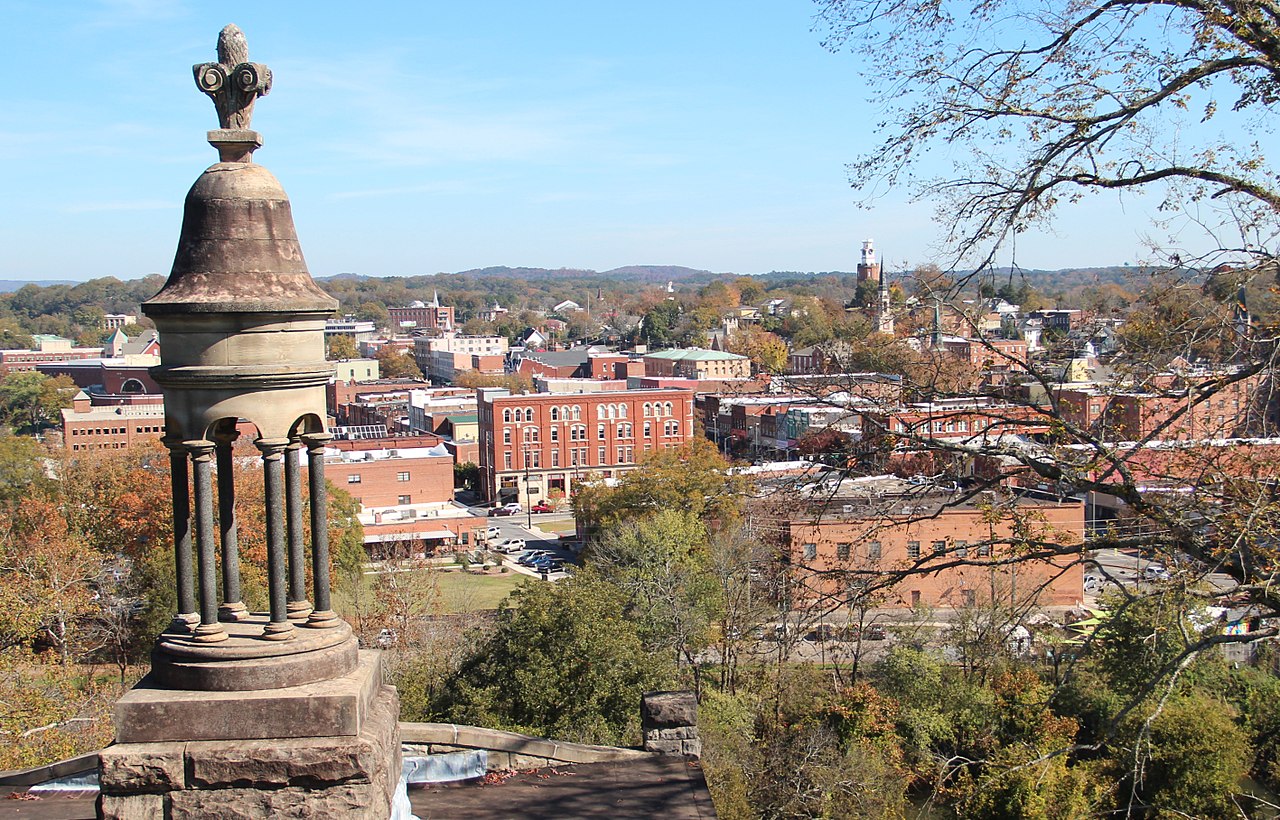


Geography and landscape
Rome stands at a distinctive river confluence where two tributaries meet to form a larger waterway. The city's rivers, rolling ridges and nearby woodlands create opportunities for outdoor recreation such as paddling, fishing and riverside walking. The local climate is humid temperate with warm summers and mild winters, typical of northern Georgia.
History and development
The site of Rome was home to indigenous peoples before Euro-American settlement. The modern city developed in the early 19th century and grew as a river and market town. Its history includes antebellum growth, 19th-century transportation links, and periods of industrial and civic development that shaped a compact downtown core.
Institutions, economy and education
Rome's economy blends education, health care, manufacturing and retail. Notable institutions include private colleges and local hospitals that serve a multi-county area. One nearby college is well known for its extensive campus lands; higher education plays an important role in the city's economy and cultural life.
Attractions and culture
The city is often described by a traditional nickname that references its topography. Visitors and residents enjoy a historic downtown with shops and eateries, museums that interpret local history, and riverfront parks and trails. Annual events and community festivals highlight regional music, arts and food.
Notable facts and distinctions
- County seat and regional service center for northwest Georgia.
- Located at a prominent river confluence, offering recreational access to waterways.
- Home to several higher-education institutions and health-care facilities that serve the surrounding area.
- Historic downtown features preserved architecture, cultural sites and public events.
For more detailed civic, historical or visitor information, local government and cultural organizations maintain resources and guides to the city's neighborhoods, parks and services.
Related articles
Author
AlegsaOnline.com Rome, Georgia: Overview, Geography, History and Notable Features Leandro Alegsa
URL: https://en.alegsaonline.com/art/83920