
Back Street (novel and film adaptations)
Fannie Hurst's melodramatic tale of a long-term extramarital relationship, adapted as a 1932 film directed by John M. Stahl and remade in 1941 and 1961.
Overview
Back Street began as a popular novel by Fannie Hurst that explores the life-long relationship between a woman and a married man. The story became widely known for its sentimental, tragic tone and its focus on the sacrifices and social costs borne by the woman who remains the man's private companion rather than his wife.
Image gallery
4 Images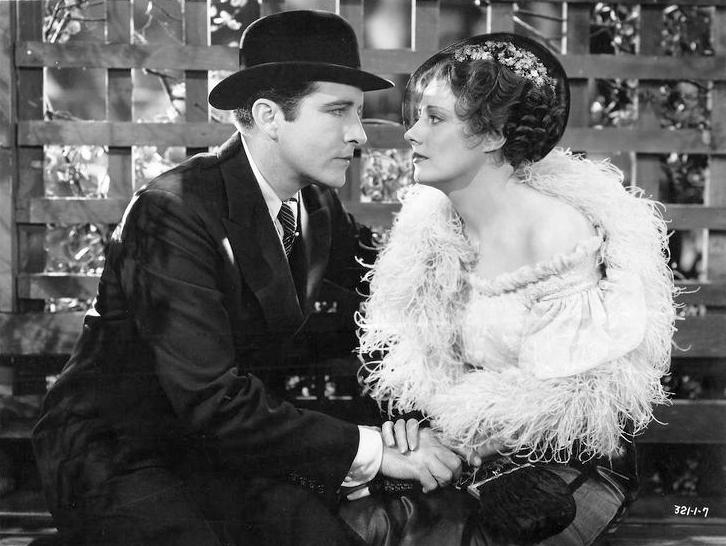
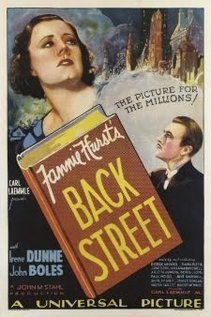


1932 film adaptation
The best-known early screen version was released in 1932. Directed by John M. Stahl, that production brought the story to audiences in the sound era, featuring lead performances by Irene Dunne and John Boles. Distributed by Universal Pictures, the film is characteristic of early 1930s melodrama, emphasizing emotional restraint, domestic detail, and moral complexity rather than spectacle.
Plot and themes
At its core, Back Street concentrates on love, duty and sacrifice. The central female figure accepts a marginal, private role in the life of an ambitious or powerful man: she offers loyalty and companionship while society denies her the status of wife. Themes include social respectability, gender expectations, the tension between public success and private cost, and the long-term consequences of choices constrained by class and convention.
Remakes and cultural legacy
The story's popularity led to multiple screen remakes, notably in 1941 and again in 1961, each version updating aspects of style and performance to match contemporary tastes. Over decades Back Street has been discussed in studies of Hollywood melodrama and women’s roles on screen, and it remains a reference point for films about doomed or clandestine romances.
Notable facts
- Originated in a widely read novel by Fannie Hurst.
- The 1932 film was directed by John M. Stahl and distributed by Universal Pictures.
- The narrative centers on a sustained extramarital relationship and its personal costs.
- Adapted for the screen multiple times, reflecting the story's enduring appeal to audiences and filmmakers.
Today Back Street is remembered less for plot surprises than for the way it concentrates attention on character and social consequence, offering a lens on how popular fiction and studio cinema of the 20th century handled issues of romance, honor and sacrifice.
Related articles
Author
AlegsaOnline.com Back Street (novel and film adaptations) Leandro Alegsa
URL: https://en.alegsaonline.com/art/8095