
Pinterest: visual discovery, pinboards, and inspiration platform
Pinterest is a visual discovery and bookmarking platform where users save and organize images and ideas into themed pinboards, explore trends, use visual search, and discover products, recipes and creative projects.
Overview
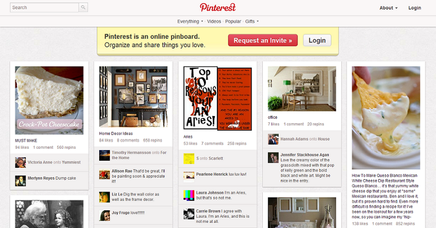
Pinterest is a web and mobile service focused on visual discovery and personal collections. Users save visual content known as "pins" to named boards to organize ideas, plans and inspiration. The platform combines social bookmarking, curated collections and visual search: users follow other people and boards, browse a personalized home feed of suggested material, and use search and image-based tools to find photos related to their interests.
Image gallery
4 Images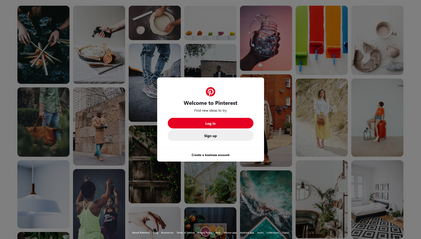


Core features
- Pins: individual images or videos saved from websites or uploaded by users, often including a link back to the original source and a short description.
- Boards: themed collections for organizing pins (for example recipes, home projects, fashion or event planning).
- Save and re-pin: users can save content from others to their own boards, like and comment on pins, and group boards allow collaboration.
- Visual search and Lens: tools that let users search using images or identify visually similar items within photos.
- Business tools: verified profiles, analytics, promoted pins, rich pins and shopping integrations to help brands and creators reach customers.
History and development
Pinterest was launched in 2010 by Ben Silbermann, Evan Sharp and Paul Sciarra. It initially grew through an invite-only model and word of mouth. Over time it evolved from a hobbyist sharing site into a commercially oriented platform with mobile apps, advertising products and merchant tools. The company invested in visual-search technology and recommendation systems to better match images with user intent.
Users and common uses
The service is widely used for planning and inspiration: people assemble ideas for home design, weddings, fashion, recipes, DIY projects, travel and moodboards. It has traditionally attracted a large proportion of female users, though the audience is diverse and international. Creators, bloggers and small businesses use Pinterest to showcase ideas that users can save and act on later, often driving referral traffic to original content.
Business model and commerce
Pinterest generates revenue mainly through advertising and promoted pins, alongside commerce features that let users discover and buy products. Tools such as product pins, shopping ads and integrations with retailers help connect discovery with transactions. The platform also provides analytics and promotional options for brands and publishers.
Technology, moderation and privacy
Pinterest relies on algorithms, image recognition and user signals to surface relevant content. The company maintains content policies and copyright procedures, and provides ways to report or remove infringing material. Like other social platforms, it faces challenges in balancing automated recommendations, moderation and user control. The service collects usage data to improve recommendations and serve ads, and users can adjust privacy and notification settings.
How it differs from other platforms
Rather than emphasizing real-time personal updates, Pinterest emphasizes long-lived collections and discovery: boards act as persistent repositories rather than ephemeral feeds. Its visual-search orientation and planning use cases make it especially useful for inspiration and shopping, distinguishing it from photo-sharing apps that prioritize social interaction or short-lived posts.
Tips for users and businesses
- Organize boards with clear themes and descriptive titles.
- Use high-quality, vertically cropped images and helpful descriptions with keywords.
- For businesses: claim your website, enable rich pins and use analytics to track engagement.
Related articles
Author
AlegsaOnline.com Pinterest: visual discovery, pinboards, and inspiration platform Leandro Alegsa
URL: https://en.alegsaonline.com/art/77017
Sources
- alexa.com : "Pinterest.com Site Info"
- gigaom.com : "You are what you curate: why Pinterest is hawt"
- twitterservices.com : twitterservices.com
- businessinsider.com : "INSIDE PINTEREST: An Overnight Success Four Years In The Making"