
Penza, Russia — regional centre of Penza Oblast
Penza is a city in western Russia, administrative centre of Penza Oblast. Located on the Sura River southeast of Moscow, it is an industrial, educational and cultural hub with a population around 522,823.
Overview
Penza is a city in the western part of Russia and serves as the administrative centre of Penza Oblast. It lies on the Sura River roughly 388 miles southeast of Moscow. The urban area has a population of about 522,823 people and functions as a regional economic and cultural hub.
Image gallery
7 Images



Geography and environment
The city occupies a position on a gently rolling plain drained by the Sura. Its location has influenced settlement and transport routes. Penza experiences a continental climate with cold winters and warm summers, supporting both urban and surrounding agricultural activity.
History and development
Penza began as a fortified settlement in the 17th century and grew over subsequent centuries into a trading and craft centre. Industrialization in the 19th and 20th centuries brought manufacturing, engineering and food-processing enterprises. Many historical buildings and monuments reflect its evolution from fortress to regional city.
Economy, education and culture
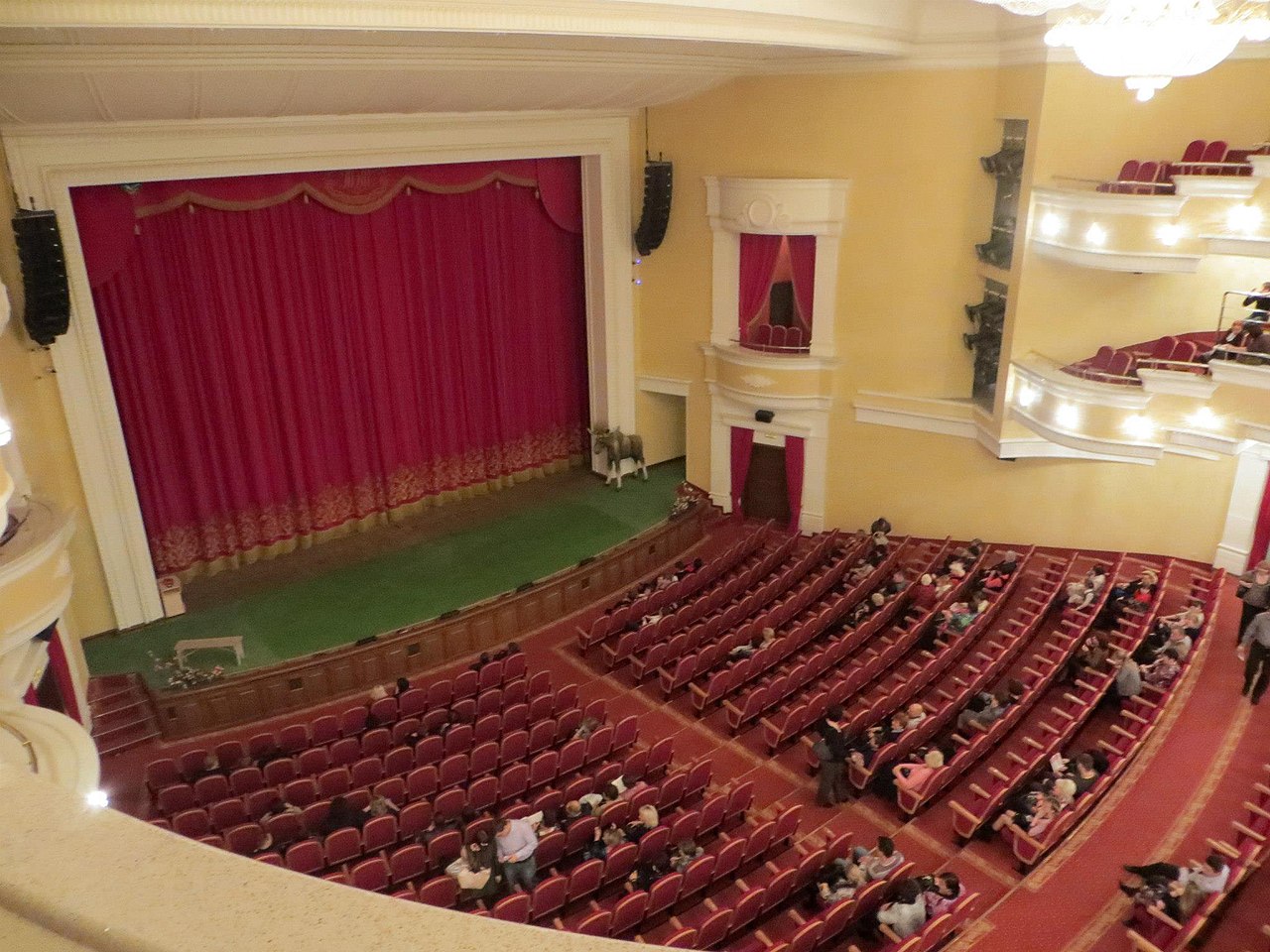
Modern Penza combines light and heavy industry with education and cultural institutions. The city hosts universities and technical schools that train specialists for local industries. Theatres, museums and galleries contribute to a lively cultural scene, while festivals and public events mark regional traditions.
Transport and significance
Penza is connected by rail and road networks to other Russian cities, providing links for passengers and freight. Its role as an administrative centre gives it importance in regional governance, public services and commerce.
Notable features
- Riverfront and historic centre with surviving architecture.
- Regional museums and theatres illustrating local history and arts.
- Educational institutions supporting science, technology and the arts.
Related articles
Author
AlegsaOnline.com Penza, Russia — regional centre of Penza Oblast Leandro Alegsa
URL: https://en.alegsaonline.com/art/75657
Sources
- pnz.gks.ru : Численность постоянного населения Пензенской области на 1.01.2015