
Oxford Circus
A major crossroads in London's West End where Oxford Street meets Regent Street; a busy shopping, transport and pedestrian hub with a London Underground interchange beneath it.
Overview
Oxford Circus is the large, busy junction where Oxford Street meets Regent Street in the West End of London. It functions as both a focal point for retail activity and a significant transport interchange. The name "Circus" follows a London convention for open or prominent junctions rather than describing a literal circus.
Image gallery
9 Images

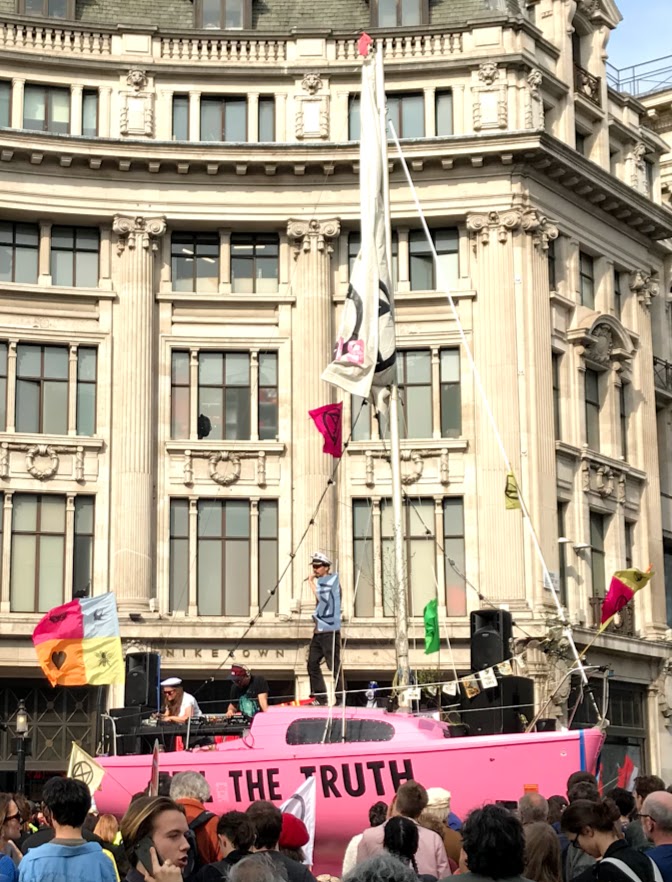


Location and layout
The crossing sits at the meeting point of two major shopping arteries. At street level you will find heavy vehicle traffic, crowds of shoppers and many flagship stores on the surrounding blocks. Beneath the junction is Oxford Circus tube station, which links multiple London Underground lines and provides one of the area's main passenger access points.
History and development
The streets that converge at Oxford Circus developed during the period when central London was being reshaped into a planned commercial district. Regent Street was laid out as a grand, curving boulevard, while Oxford Street evolved as a principal east–west shopping route. Over time the junction has been adapted to cope with increasing pedestrian and vehicle flows.
Function and importance
Oxford Circus is important for several reasons: it concentrates retail activity with many large stores; it is a transport node where shoppers and commuters transfer between lines; and it is a frequent location for seasonal displays, demonstrations and high-footfall events. City authorities have experimented with signal changes and pedestrian crossing designs to improve safety and movement.
Notable features and distinctions
- Serves as a landmark meeting point within London's shopping district.
- Contains a major Underground interchange directly beneath the junction, improving citywide connectivity.
- Has seen incremental engineering and traffic-management interventions to handle heavy pedestrian flows.
Visitors typically experience Oxford Circus as a busy, metropolitan crossroads that exemplifies the retail and transport character of the West End. For more detailed maps and travel advice consult local transport guides or the station information pages linked above.
Related articles
Author
AlegsaOnline.com Oxford Circus Leandro Alegsa
URL: https://en.alegsaonline.com/art/73798
Sources
- commons.wikimedia.org : Oxford Circus
- news.bbc.co.uk : "Oxford Circus may get Tokyo look"
- news.bbc.co.uk : "Oxford Circus 'X-crossing' opens"
- localgov.co.uk : Oxford Circus X-crossing opened, but is it first?