
Övertorneå: town in northern Sweden on the Torne River
Övertorneå is a small town in Norrbotten County, northern Sweden. It is the administrative seat of Övertorneå Municipality and a local centre for culture, nature tourism and cross‑border ties with Finland.
Overview
Övertorneå is an urban area in Norrbotten County, in the province historically known as Norrbotten. It lies in the far north of Sweden and serves as the seat of Övertorneå Municipality. The locality functions as a regional service centre for surrounding villages and the rural inland.
Image gallery
5 Images

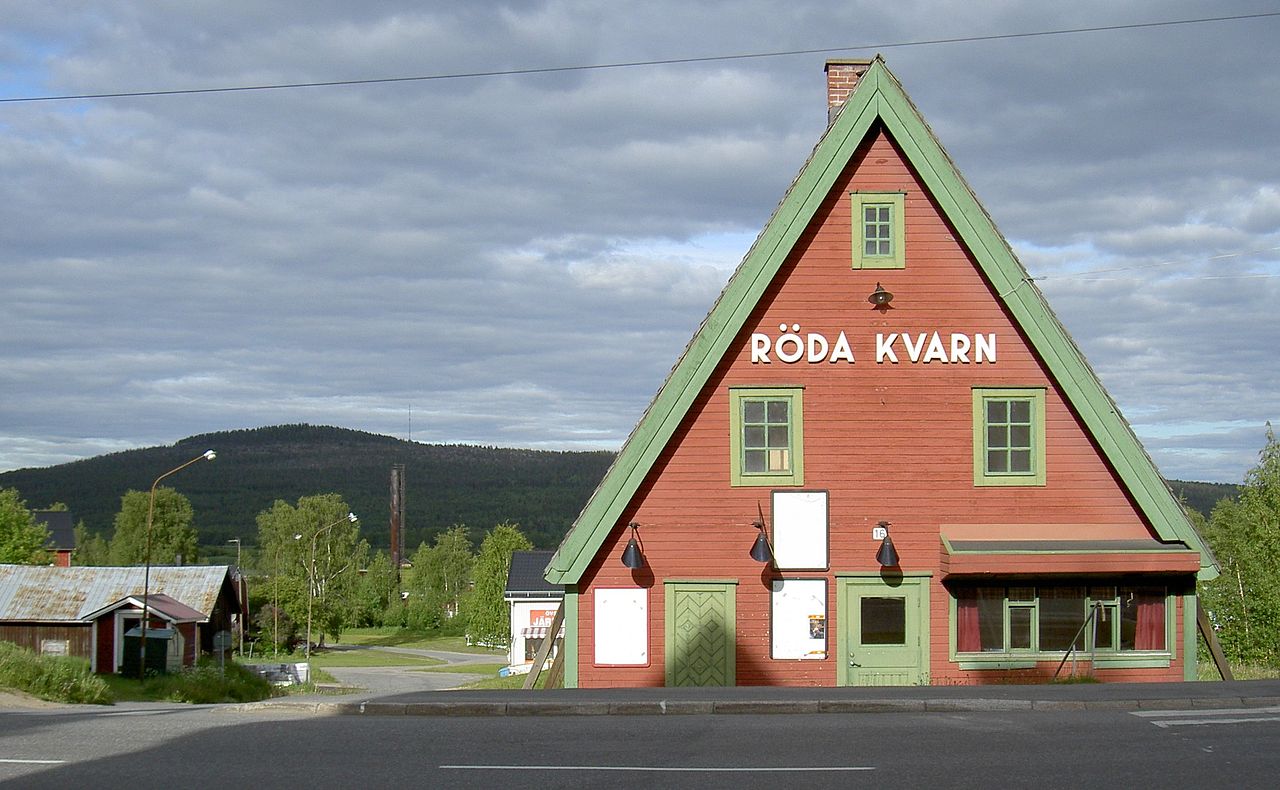


Geography and climate
Övertorneå sits beside the Torne River (Torne älv), the natural border with neighbouring Finland. The landscape is dominated by river valleys, mixed forests and rolling hills. Winters are long and cold with clear nights that often reveal the aurora borealis; summers bring extended daylight and rapid bursts of growth in the short growing season.
History and culture
The area is part of Tornedalen, a borderland with a mixed heritage of Swedish, Finnish and indigenous Sámi influences. Meänkieli, a Finnish‑related language, is spoken locally alongside Swedish, and traditions reflect cross‑border family ties, folk music and local crafts. Settlement here dates back centuries as people adapted to riverine and forest livelihoods.
Characteristics and economy
- Administrative centre for municipal services, education and healthcare.
- Local economy based on forestry, small‑scale industry, services and cross‑border commerce.
- Outdoor recreation and nature tourism play an increasingly visible role.
Visitors come for fishing, hiking, birdwatching and to experience rural north Swedish culture. Local museums, seasonal markets and community events present regional history and crafts.
Notable facts
Övertorneå exemplifies many small northern Swedish towns: it balances municipal responsibilities with a dispersed rural population and maintains cultural links across the border with Finland. Its riverside setting and quiet natural environment make it a gateway to the broader Tornedalen landscape and to opportunities for nature‑based tourism and cultural exploration.
Related articles
Author
AlegsaOnline.com Övertorneå: town in northern Sweden on the Torne River Leandro Alegsa
URL: https://en.alegsaonline.com/art/73739