
Our Lady of Fátima
Title given to the Virgin Mary after reported 1917 apparitions in Fátima, Portugal; a major Catholic devotion associated with the Rosary, prayer for peace, and a large pilgrimage shrine.
Overview
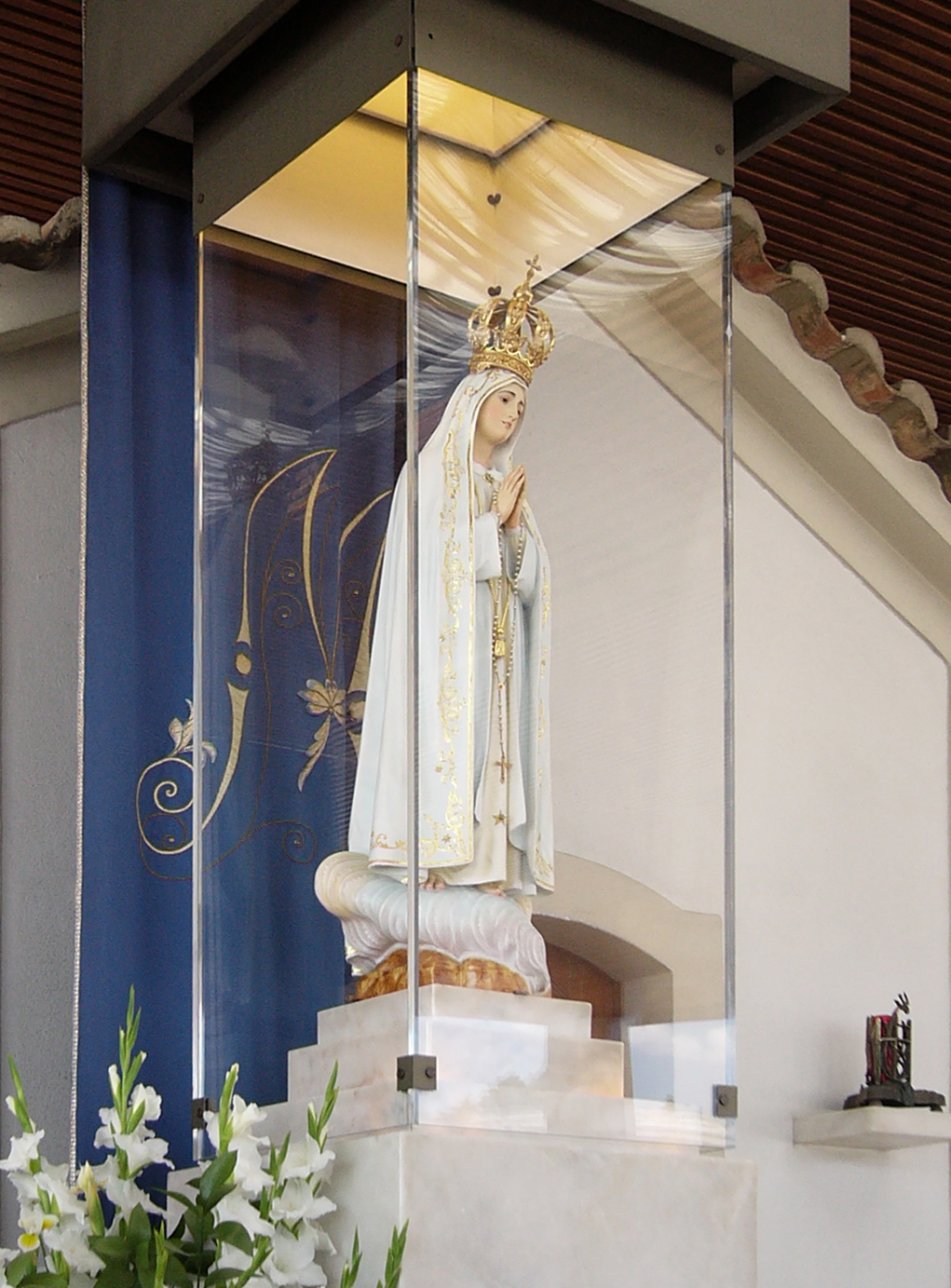
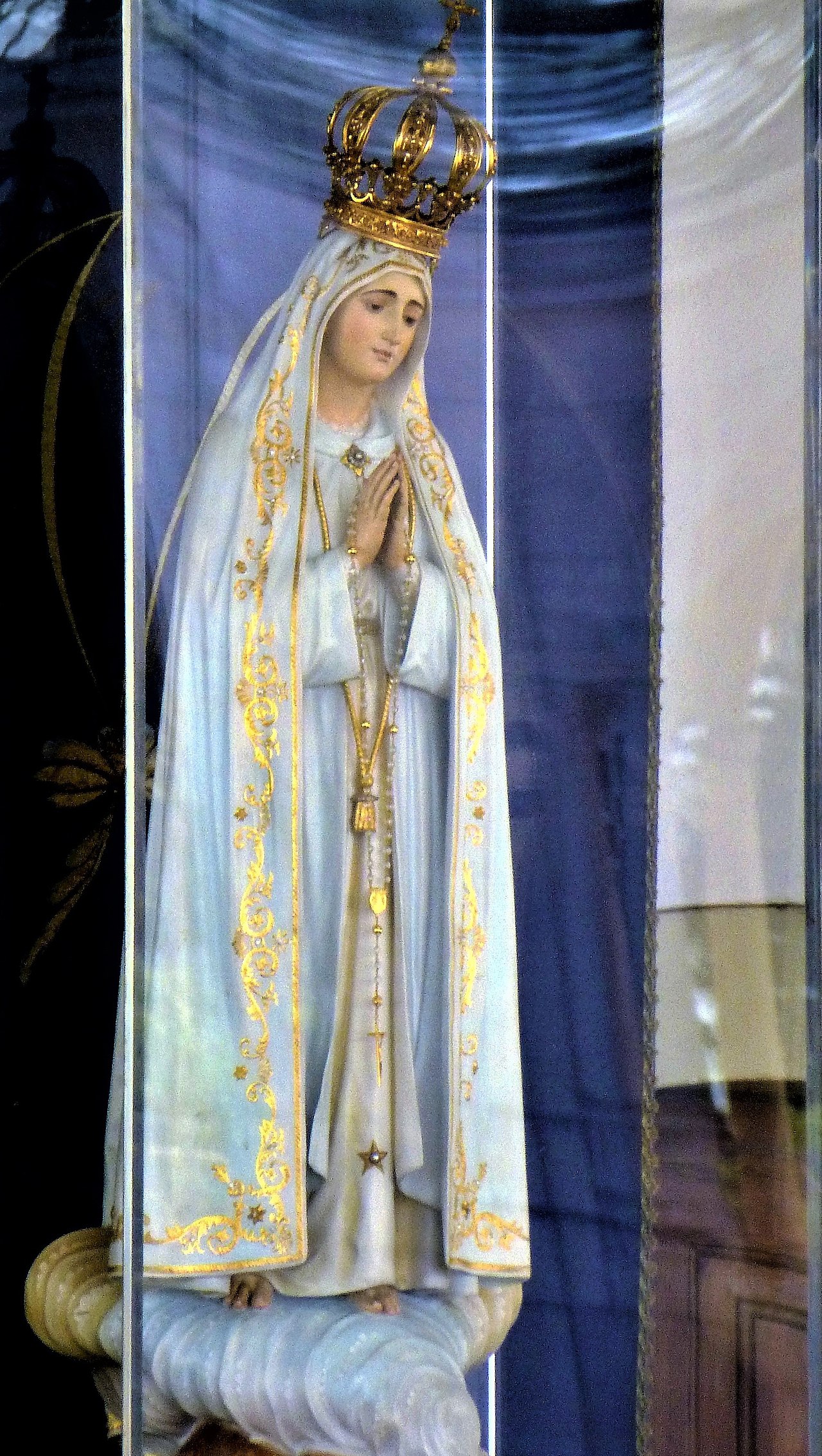
Our Lady of Fátima is a title used in the Roman Catholic Church for the Virgin Mary based on reported apparitions to three young shepherds in 1917 near the town of Fátima, Portugal. The name in Portuguese is Nossa Senhora de Fátima, and the devotion is closely linked to requests for prayer, penance and the recitation of the Rosary.
Image gallery
10 Images



Apparitions and reported messages
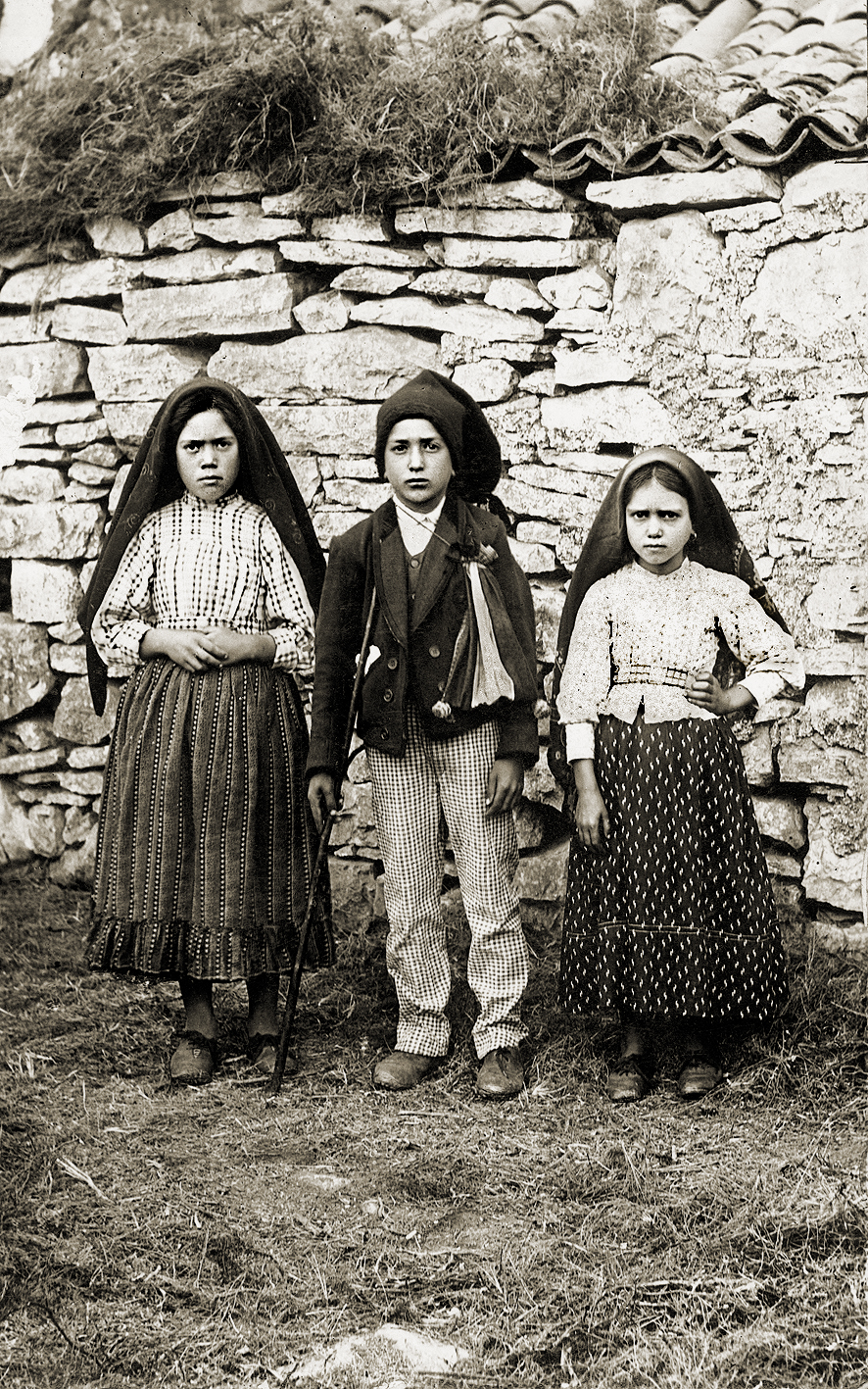
The accounts describe Mary appearing to Lucia dos Santos and her cousins Jacinta and Francisco Marto on the 13th day of six consecutive months beginning in May 1917. Witnesses reported that the figure identified herself as the Lady of the Rosary and urged conversion, prayer, and devotion to God. The visionaries are said to have received a series of revelations, sometimes summarized as three "secrets," which have been interpreted in religious and political terms.
Key elements
- The timing: appearances on the 13th of successive months in 1917.
- The message: emphasis on the Rosary, repentance, and reparation for sins.
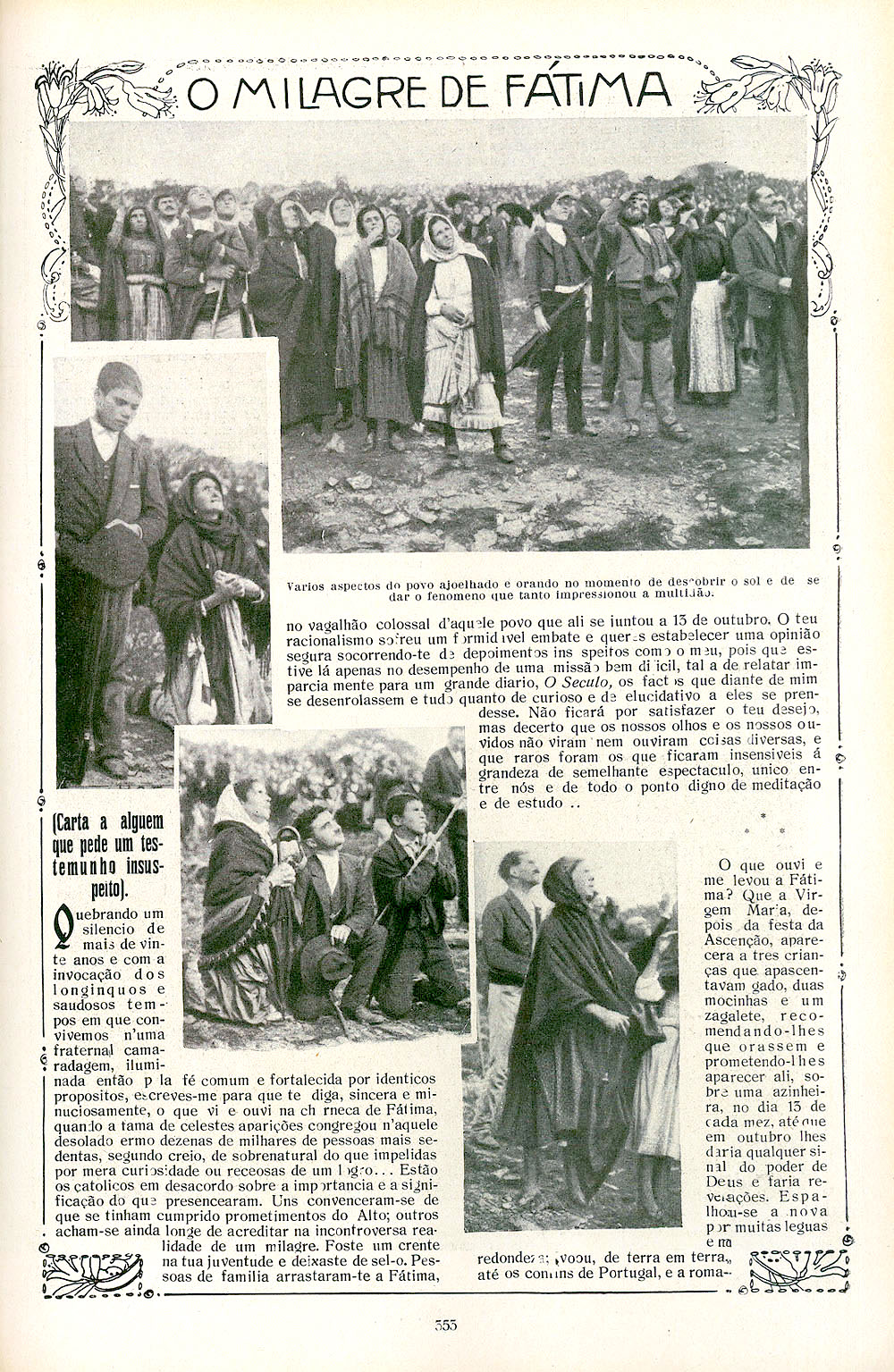
- A prominent public event: an episode known as the "Miracle of the Sun" was reported by many observers on October 13, 1917.
Local church authorities investigated the events and, after study, the diocesan bishop gave formal recognition of the apparitions as worthy of belief, which allowed public devotion and the development of a shrine at the site.
Lives of the seers and shrine
Of the three children, Francisco and Jacinta died young in the years following the apparitions; Lucia entered religious life and later wrote memoirs describing the visions. The place of the apparitions developed into a major pilgrimage destination with a basilica, chapels, and facilities for millions of visitors annually. The date May 13 is observed in many places as the feast of Our Lady of Fátima, and numerous processions, prayers and acts of consecration are associated with the devotion.
Importance, practice and notable facts
The Fátima devotion has influenced modern Catholic spirituality, encouraging communal recitation of the Rosary and devotion to Mary as intercessor for peace. Several popes have visited the shrine; notably, Pope John Paul II publicly associated his survival of an assassination attempt with Our Lady of Fátima and later donated the bullet that wounded him to the sanctuary. The site remains an active center for pilgrimage, prayer vigils, and acts of reparation.
Discussion and perspectives
Reactions range from deep veneration among the faithful to skeptical or secular explanations that emphasize social, psychological, or political contexts of 1917 Portugal. Within Catholic practice, belief in private apparitions is not required doctrine but can be permitted as a legitimate devotion when approved by ecclesiastical authority. The story of Fátima continues to be a significant cultural and religious reference point in discussions about prayer, prophecy and popular piety.
Questions and answers
Q: Who is Our Lady of Fatima?
A: Our Lady of Fatima is a Roman Catholic title for the Virgin Mary due to her apparitions to three shepherd children, Lucia Santos, and her two cousins, Jacinta and Francisco Marto.
Q: When did the apparitions of Our Lady of Fatima occur?
A: The apparitions of Our Lady of Fatima occurred on the thirteenth day of six consecutive months in 1917, starting on May 13.
Q: Where did the apparitions of Our Lady of Fatima take place?
A: The apparitions of Our Lady of Fatima took place in Fátima, Portugal.
Q: Who were the three shepherd children who witnessed the apparitions of Our Lady of Fatima?
A: The three shepherd children who witnessed the apparitions of Our Lady of Fatima were Lucia Santos, and her two cousins, Jacinta and Francisco Marto.
Q: What is the name of Our Lady of Fatima in Portuguese?
A: The name of Our Lady of Fatima in Portuguese is Nossa Senhora de Fátima.
Q: What are other titles by which Our Lady of Fatima is known?
A: Other titles by which Our Lady of Fatima is known are Our Lady of the Rosary or Our Lady of the Rosary of Fatima.
Q: Why is Our Lady of Fatima famous?
A: Our Lady of Fatima is famous for her apparitions to three shepherd children in Fátima, Portugal, in 1917, during which she relayed messages to them about prayer, sacrifice, and repentance, and performed a miracle witnessed by thousands of people.
Author
AlegsaOnline.com Our Lady of Fátima Leandro Alegsa
URL: https://en.alegsaonline.com/art/73619