
Oskarshamn — coastal town in Kalmar County, Sweden
Oskarshamn is a Swedish coastal town and the seat of Oskarshamn Municipality, known for its port, archipelago, maritime industry and proximity to energy facilities on the Baltic Sea coast.
Overview
Oskarshamn is a coastal town on Sweden's eastern seaboard, located in Kalmar County and historically associated with the province of Småland. It serves as the administrative centre of Oskarshamn Municipality and functions as a regional port and service hub along the Baltic Sea. The town combines maritime activity with local services, tourism and light industry.
Image gallery
10 Images

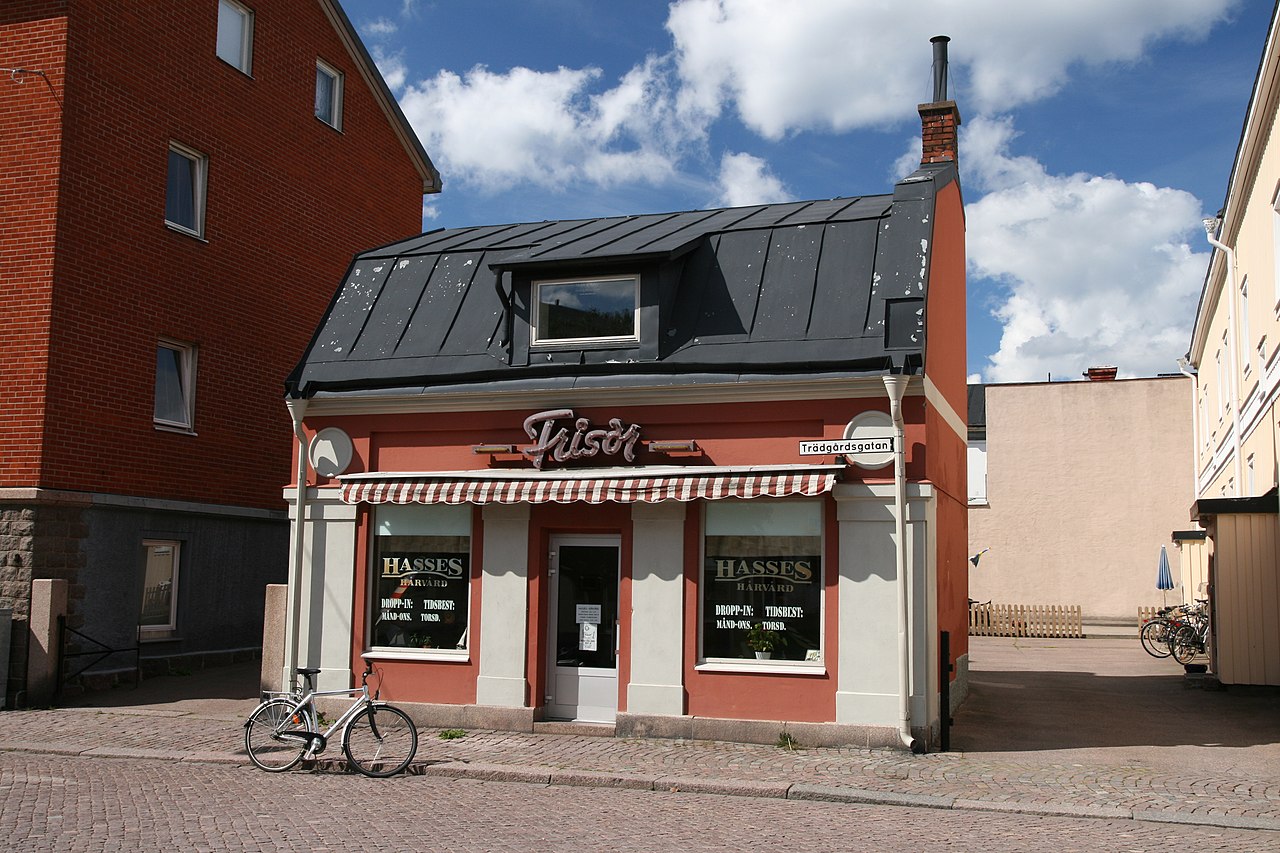

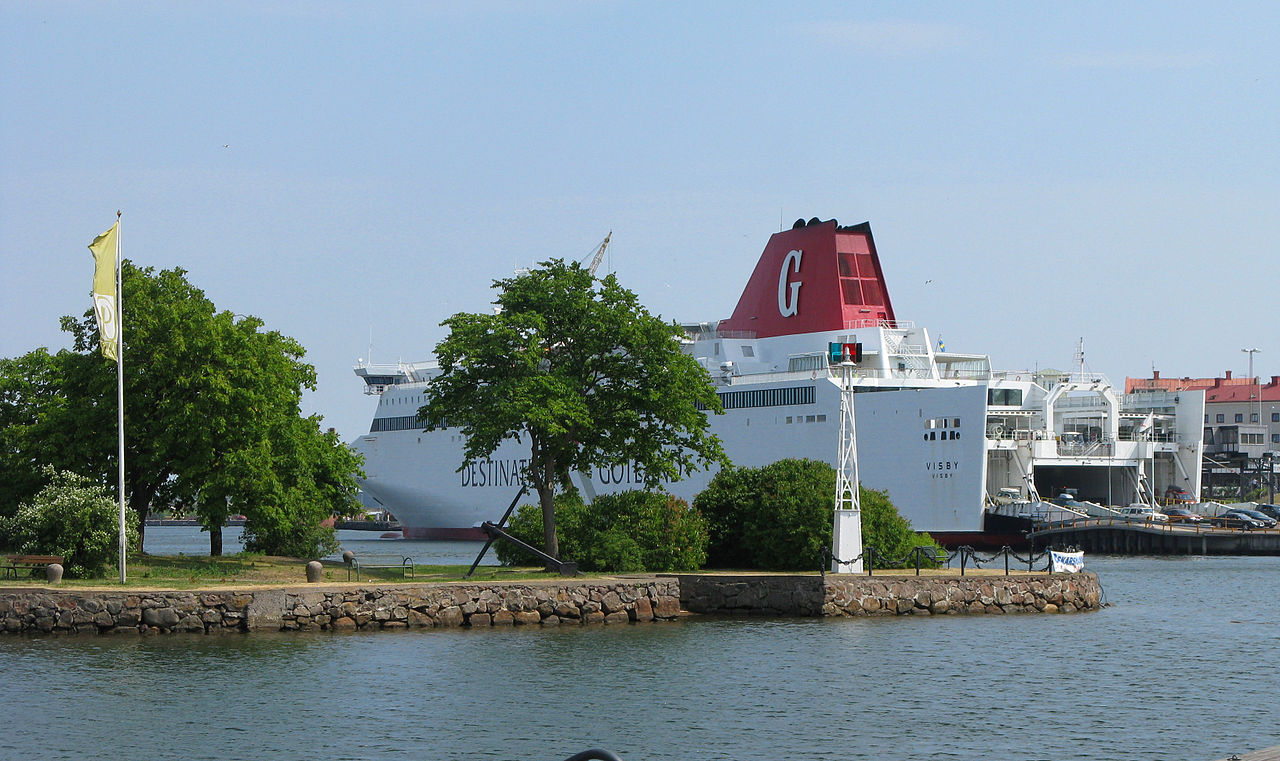


History and development
The town developed from a small harbour into a municipal centre during the 18th and 19th centuries as trade, fishing and ship traffic increased along the coast. Its modern name reflects a 19th‑century royal influence and its growth was tied to expanding shipping routes and coastal industries. Over time Oskarshamn evolved into an administrative, commercial and transport node for the surrounding countryside.
Economy, transport and energy
Oskarshamn's economy centres on its port, maritime services, logistics and a mix of manufacturing and public services. It is also notable for its proximity to major energy facilities located on the nearby coastline and islands, which have been influential in the local labour market. Regular ferry connections link the town to islands in the Baltic, including services to Gotland, making Oskarshamn a ferry gateway for passengers and freight.
Culture, nature and attractions
The surrounding archipelago and coastal landscape are central to local life, offering boating, fishing and seaside recreation. The town supports cultural amenities such as museums, galleries and events that reflect seafaring and regional heritage. Visitors often use Oskarshamn as a base for exploring nearby islands, coastal trails and maritime history.
Notable facts and distinctions
- Seat of Oskarshamn Municipality, serving regional administration and services.
- Important Baltic Sea port with ferry links to island destinations.
- Located within Kalmar County and part of broader Swedish coastal networks in Sweden.
Oskarshamn combines maritime industry, coastal tourism and civic functions; its scale and character reflect the patterns of many small Swedish port towns that connect archipelago communities with larger regional centres.
Related articles
Author
AlegsaOnline.com Oskarshamn — coastal town in Kalmar County, Sweden Leandro Alegsa
URL: https://en.alegsaonline.com/art/73385