
Omaha Hold'em (Omaha Poker)
Omaha Hold'em is a community-card poker variant where each player receives four hole cards and must make the best five-card hand using exactly two hole cards and three community cards.
Overview
Omaha Hold'em is a community-card poker variant related to Texas Hold 'Em. It is played in cash games and tournaments around the world and is known for larger hand possibilities and more frequent strong hands than many other poker forms. In Omaha each active player receives four private cards (hole cards) and shares five community cards that are dealt face up in stages.
Image gallery
4 Images


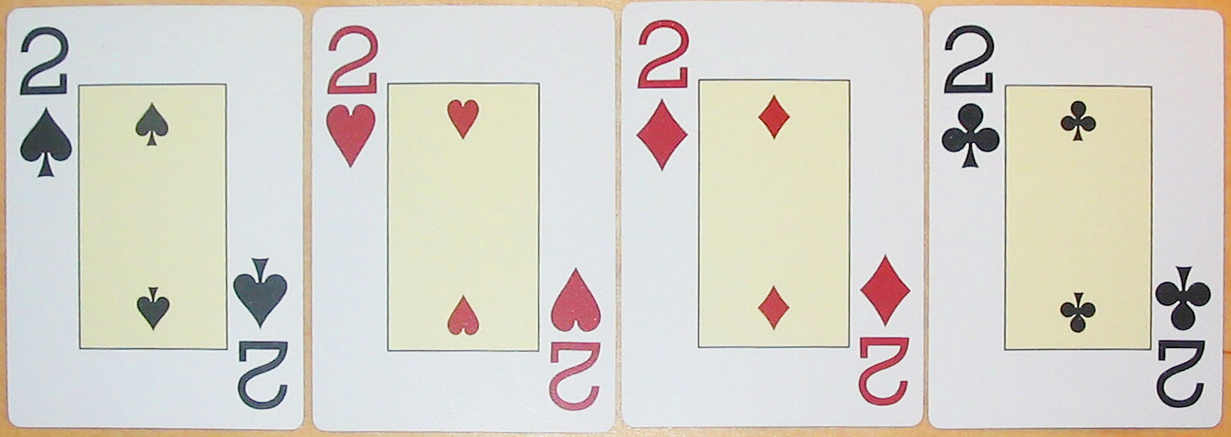
Basic sequence of play
The structure of a typical Omaha hand follows a familiar pattern of dealing and betting. The key rounds are:
- Deal: each player is dealt four hole cards face down.
- Pre-flop betting: a round of betting with the usual forced blinds or antes.
- The flop: three community cards are dealt face up, followed by a betting round.
- The turn: a fourth community card is dealt, then another betting round.
- The river: the fifth community card is dealt, followed by a final betting round, then showdown if more than one player remains.
At showdown, every player must form a five-card poker hand using exactly two cards from their hand and exactly three from the board. This requirement is the central rule that distinguishes Omaha from some other community-card games.
Hand construction and strategy
Because players hold four hole cards, starting hands in Omaha are evaluated differently than in Hold 'Em. Combinatorial possibilities increase: more coordinated hands (suited connectors, double-suited holdings, and paired hole cards) are valuable because they offer multiple ways to make strong five-card hands. Common strategic themes include drawing to the nut (the best possible) hand, avoiding one-card dependence, and paying attention to board texture and multiple-player pots where strong draws are more likely to be contested.
Variants and history
Omaha evolved as a popular alternative to Texas Hold 'Em in the late 20th century and has several common variants. Pot-Limit Omaha (PLO) is the most widely played form and restricts betting to the current size of the pot. Other versions include Omaha Hi-Lo (where the pot can be split between the highest and lowest qualifying hands) and fixed-limit Omaha. The split-pot (Hi-Lo) variant invites different hand-selection priorities because low-hand potential becomes valuable.
Comparison and notable facts
- Unlike Texas Hold 'Em, where players may use any combination of hole and board cards, Omaha requires exactly two hole cards—this frequently yields higher-value winning hands.
- Pot-Limit Omaha tends to create larger pots and more action than fixed-limit variants.
- Players should be cautious about apparent strong made hands on coordinated boards; multiple players often have comparable holdings.
Omaha rewards careful starting-hand selection, disciplined assessment of combinatorics, and attention to opponent tendencies. For further rules and resources, consult general poker rule guides or the relevant game pages at poker resources.
Related articles
Author
AlegsaOnline.com Omaha Hold'em (Omaha Poker) Leandro Alegsa
URL: https://en.alegsaonline.com/art/72480