
Ogasawara (Ogasawara Village), Tokyo — the Bonin Islands
Ogasawara Village administers a remote subtropical Japanese archipelago (the Bonin Islands) under Tokyo. Renowned for endemic wildlife, small island communities, marine biodiversity and World Natural Heritage status.
Overview
Ogasawara Village (Ogasawara-mura) is an administrative community that governs a remote chain of subtropical islands belonging to Tokyo Metropolis. Often called the Bonin Islands in English, the group lies far to the south of mainland Tokyo and is celebrated for its isolation, clear seas and distinctive flora and fauna. Despite its administrative link to Tokyo, Ogasawara has a small, scattered population concentrated on a few inhabited islands.
Image gallery
6 Images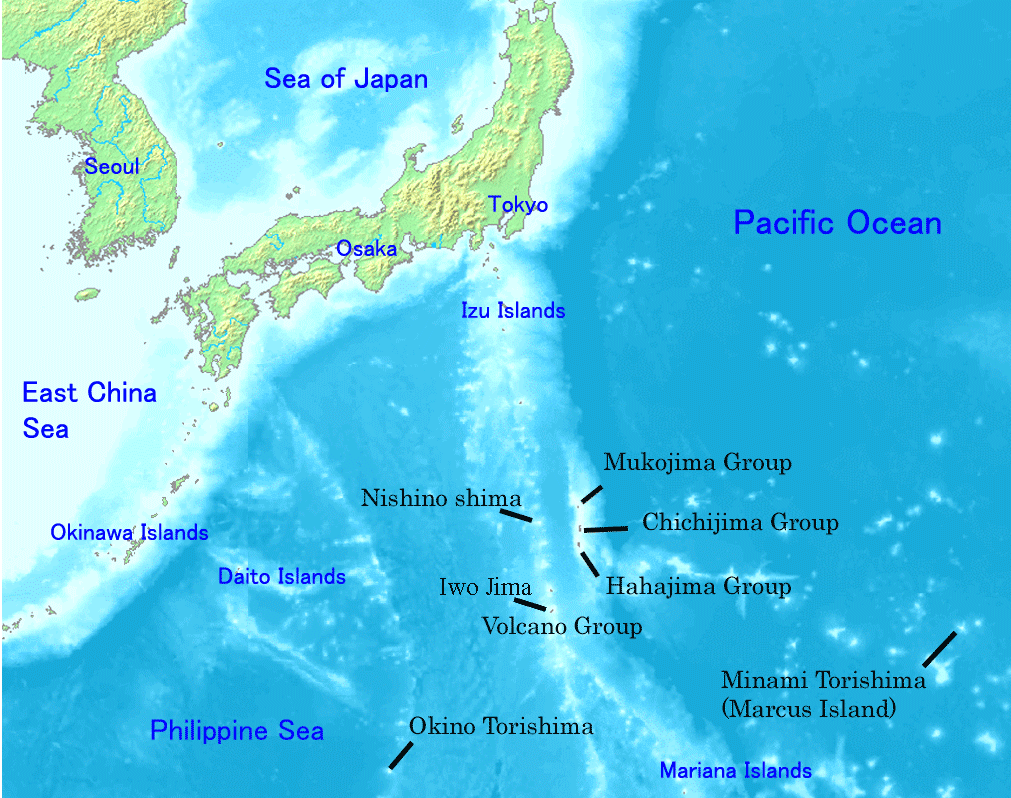


Geography and settlements
The archipelago comprises dozens of islets clustered into several groups. The main inhabited islands include Chichijima and Hahajima, where the principal villages and services are located. Most land is rugged or forested; beaches, coral reefs and steep cliffs frame the islands. Transportation is limited to scheduled sea links and occasional air services connecting the islands with the Japanese mainland.
Ecology and conservation
Ogasawara is noted for a high proportion of endemic species—plants, insects and seabirds that evolved in long isolation. Its terrestrial and marine ecosystems are regarded as globally important, and parts of the archipelago are protected to conserve rare habitats and nesting sites. The islands were recognized for their natural value on an international level; for details see the UNESCO entry.
History and administration
Human settlement followed a mix of Western and Asian influences in the 19th century; sovereignty has shifted before the islands became integrated administratively into Tokyo. The islands were under foreign control for parts of the 20th century and later returned to Japanese civil administration. Today Ogasawara functions as a village-level municipality within the Ogasawara Subprefecture of Tokyo; official information is available from the village website and the Tokyo Metropolitan Government.
Uses, tourism and significance
Visitors come for wildlife observation, diving, hiking and cultural encounters with local island communities. Tourism and scientific research play important roles in the local economy, but both are balanced by conservation measures. Local authorities and researchers work to manage invasive species, safeguard endemic wildlife and sustain the islands' fragile ecosystems.
Notable facts
- The islands are politically part of Tokyo despite being geographically distant from the capital.
- Conservation priorities include protection of endemic plants and seabird nesting areas.
- Access is seasonal and limited, reinforcing the islands' character as a remote natural area.
Related articles
Author
AlegsaOnline.com Ogasawara (Ogasawara Village), Tokyo — the Bonin Islands Leandro Alegsa
URL: https://en.alegsaonline.com/art/72073
Sources
- jpri.org : "Dilemmas of Development on The Ogasawara Islands,"
- books.google.com : Geography of the Pacific, pp. 229-235.
- books.google.com : Maritime Boundary Disputes, Settlement Processes, and the Law of the Sea, p. 148
- nytimes.com : "Japan and China Dispute a Pacific Islet,"
- news.xinhuanet.com : "Japan hopes to build lighthouse on atoll disputed with China,"